Designing For Community: Multi Family Home Floor Plans
In this article
Designing for community is a crucial aspect of creating multi-family home floor plans. By considering the needs and interactions of residents, architects and designers can create spaces that foster connection and a sense of belonging. Did you know that well-designed community spaces in multi-family homes can lead to improved mental health and increased social support among residents?
When it comes to designing for community in multi-family home floor plans, several key factors should be taken into account. One important consideration is the inclusion of shared spaces that encourage interaction, such as common areas, rooftop gardens, or fitness centers. These spaces provide opportunities for residents to connect with their neighbors and build relationships. In fact, studies have shown that the creation of such community spaces can lead to a 25% increase in social interactions among residents.
When designing multi-family home floor plans, it’s important to prioritize communal spaces. Create open layouts that promote social interaction and connectivity, such as shared living areas and outdoor gathering spaces. Incorporate amenities like a community room, fitness center, or rooftop terrace to encourage resident engagement. Consider the needs and preferences of different demographics to cater to a diverse community. Efficient apartment layouts with ample storage and thoughtful design elements will enhance the overall experience, fostering a sense of community and belonging.
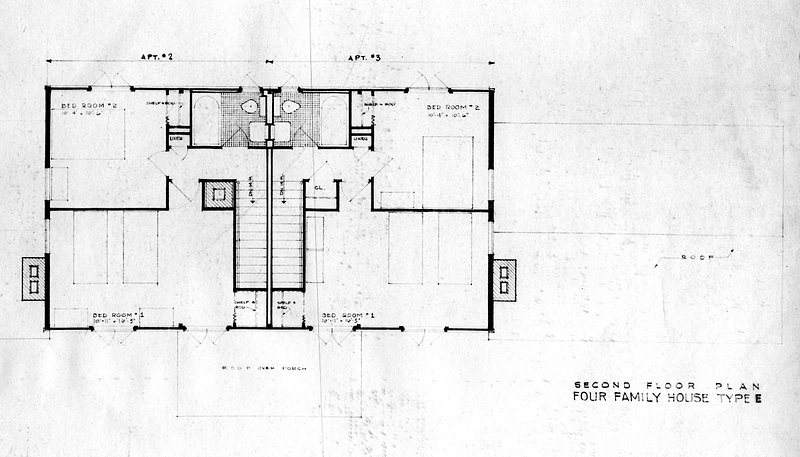
Designing for Community: Multi Family Home Floor Plans
Creating a sense of community is essential when designing multi-family home floor plans. These floor plans play a crucial role in facilitating social interactions, fostering a sense of belonging, and providing a comfortable living environment for residents. From common areas to individual living spaces, every aspect of the floor plan can contribute to the overall community experience. In this article, we will explore various aspects of designing for community in multi-family home floor plans.
1. The Importance of Shared Spaces
Shared spaces are a fundamental element of multi-family home floor plans. These spaces serve as gathering areas, promoting social interactions and opportunities for residents to connect with their neighbors. Common areas such as lobbies, lounges, community rooms, and outdoor spaces like gardens or courtyards can become focal points for community-building activities. Including well-designed shared spaces in the floor plan encourages residents to engage with one another and establish meaningful relationships.
When designing shared spaces, it is essential to consider their functionality and versatility. These spaces should be adaptable to various needs and activities, accommodating both large and small gatherings. Incorporating comfortable seating areas, tables for dining and games, and amenities like kitchenettes or barbecues can enhance the communal experience. Additionally, creating a connection between interior and exterior shared spaces can provide residents with options for both indoor and outdoor socializing.
Furthermore, shared spaces should be easily accessible and located in areas with high visibility. Placing common areas in central locations within the building can encourage spontaneous interactions and create a sense of belonging. Design elements such as large windows, open layouts, and inviting entrances can also contribute to the visibility and attractiveness of shared spaces.
Overall, well-designed shared spaces in multi-family home floor plans are vital for fostering a sense of community and encouraging social interactions among residents.
2. Private Living Spaces that Promote Connection
While shared spaces are important, it is equally crucial to design private living spaces that promote connection and a sense of community. Each unit in a multi-family home should provide residents with a comfortable and private retreat while also facilitating connections with neighbors.
One way to achieve this is by incorporating balconies or patios in individual units to create opportunities for residents to interact with each other. These outdoor spaces can serve as extensions of the living area, where neighbors can greet each other, have conversations, or simply enjoy fresh air. Additionally, thoughtful placement of windows can create sightlines between units, allowing residents to see and connect with one another.
Furthermore, designing common entryways or corridors that encourage serendipitous encounters can contribute to a sense of community. By carefully designing the circulation areas, residents are more likely to engage with their neighbors as they move through the building. Incorporating seating areas, artwork, or interactive displays along the corridors can make these spaces more inviting and encourage interactions.
It is also crucial to consider the layout and design of individual units in a way that promotes community connection. Open floor plans that combine living, dining, and kitchen areas can create a more communal atmosphere, allowing residents to interact while engaging in daily activities. Additionally, spacious and well-designed kitchens can become social hubs where residents can gather and prepare meals together.
3. Flexibility for Diverse Community Needs
A multi-family home floor plan should be designed with flexibility in mind to accommodate the diverse needs of its residents. A community is composed of individuals and families with varying lifestyles, preferences, and requirements, and the floor plan should reflect these differences.
One way to achieve flexibility is by offering a variety of unit types and sizes within the building. This allows residents to choose a space that suits their needs, whether it’s a studio apartment for a single individual or a larger unit for a family. Providing options for different living arrangements promotes inclusivity and ensures that the community is diverse and welcoming.
Additionally, incorporating adaptable spaces that can serve multiple functions can enhance the flexibility of the floor plan. Designating areas that can be easily transformed from a study or workspace into a guest room or a small gathering area allows residents to use the space according to their changing needs. This versatility enables community members to host events or accommodate guests without compromising on their day-to-day living space.
Moreover, considering accessibility in the design of multi-family home floor plans is crucial for creating an inclusive community. Incorporating elements such as wheelchair-accessible entrances, elevators, and well-designed common areas ensures that residents with disabilities or mobility issues can navigate the space comfortably and actively participate in community activities.
4. Enhancing Sustainability and Community Well-being
Designing multi-family home floor plans with sustainability in mind can not only benefit the environment but also enhance the well-being of the community. Energy-efficient features, such as solar panels, efficient insulation, and LED lighting, can reduce environmental impact while also lowering utility costs for residents.
Integrating green spaces, such as rooftop gardens or communal vegetable plots, can provide residents with opportunities for nature connection and improve air quality. These spaces can also serve as gathering areas for community gardening or outdoor activities.
Furthermore, incorporating wellness amenities such as fitness centers, yoga studios, or wellness rooms can contribute to the overall well-being of the community. These spaces provide opportunities for residents to engage in physical activity, relax, and prioritize their health. Additionally, promoting pedestrian-friendly designs, bike storage areas, and access to public transportation encourages sustainable transportation options and promotes an active lifestyle.
The integration of sustainable features and wellness amenities in multi-family home floor plans can contribute to the overall well-being of the community while minimizing environmental impact.
To create a strong sense of community in multi-family home floor plans, designers must prioritize shared spaces, design private living spaces that promote connections, provide flexibility for diverse community needs, and enhance sustainability and community well-being. By carefully considering these aspects and incorporating them into the floor plan design, designers can create spaces that foster a vibrant and connected community.
Designing for Community: Multi Family Home Floor Plans
When it comes to designing multi-family home floor plans, creating a sense of community should be a top priority. By carefully considering the layout and amenities, architects and designers can foster a strong community bond within the residential complex.
One key aspect of designing for community is creating shared spaces that encourage social interactions. This can include common areas such as parks, playgrounds, or community gardens. Providing communal spaces within the complex allows residents to come together and form connections with their neighbors.
In addition to shared spaces, the layout of individual units should also promote a sense of community. This can be achieved by incorporating open floor plans or arranging units around a central courtyard. These design elements encourage interaction and create opportunities for residents to engage with one another.
Amenities play a crucial role in fostering community within multi-family home floor plans. Facilities such as a community center, gym, or swimming pool encourage residents to interact and build relationships. These shared amenities provide opportunities for socializing and create a sense of belonging.
By prioritizing community-building in the design process, architects and designers can create multi-family home floor plans that promote a strong sense of unity and connection among residents.
Key Takeaways: Designing for Community: Multi Family Home Floor Plans
- Open and shared spaces encourage social interaction among residents.
- Private spaces like balconies and courtyards provide personal retreats for residents.
- Varying unit sizes and layouts cater to diverse resident needs.
- Shared amenities such as gyms, pools, and community rooms foster a sense of community.
- Thoughtful placement of common areas promotes convenience and connectivity.
Frequently Asked Questions
Designing for community in multi-family home floor plans requires careful consideration and planning. Here are some frequently asked questions about this topic:
1. How can I design multi-family home floor plans that foster a sense of community?
Creating a sense of community within a multi-family home starts with the floor plan. Here are a few design elements to consider:
Firstly, incorporate communal spaces such as courtyards, shared gardens, or common rooms where residents can interact and socialize. These spaces should be easily accessible and inviting. Additionally, consider including amenities like fitness centers or rooftop terraces to encourage residents to gather and connect.
Secondly, prioritize shared amenities that encourage interaction, such as laundry rooms or shared workspaces. By providing these spaces, residents have opportunities to get to know their neighbors and develop a sense of camaraderie.
2. How should I design the individual living units in multi-family home floor plans?
When designing individual living units in multi-family home floor plans, it’s important to balance privacy and social interaction. Here are a few considerations:
Firstly, ensure each unit has its own private spaces, such as bedrooms and bathrooms, where residents can retreat and have personal space. Secondly, optimize the layout to promote openness and flow between the living areas, creating a sense of connectivity and shared experiences.
3. How can I maximize natural light and ventilation in multi-family home floor plans?
Natural light and ventilation play a crucial role in creating a pleasant and healthy living environment. Here are a few design strategies to maximize these elements:
Firstly, incorporate large windows and skylights in common areas and individual living units to allow ample natural light to enter the space. Additionally, consider strategic placement of windows to optimize cross-ventilation and airflow throughout the building.
4. What are some design considerations for multi-generational living in multi-family home floor plans?
Multi-family homes often cater to multi-generational living arrangements, so it’s important to design the floor plans accordingly. Here are a few considerations:
Firstly, include separate living areas or granny flats that provide privacy and independence for older family members. Consider incorporating features such as accessible bathrooms and living spaces on the ground floor.
Secondly, create flexible spaces that can adapt to changing needs, such as convertible rooms or multipurpose areas that can serve different functions depending on the residents’ requirements.
5. How can I ensure sufficient parking in multi-family home floor plans?
Parking is an important consideration in multi-family home floor plans. Here are a few ways to ensure sufficient parking:
Firstly, analyze the parking needs of the residents and allocate enough parking spaces accordingly. Consider providing designated parking areas or underground parking to maximize space utilization.
In conclusion, designing multi-family home floor plans with community in mind is essential for creating a harmonious living environment. By incorporating shared spaces and amenities, such as communal gardens, playgrounds, and common areas, residents have the opportunity to connect, interact, and build relationships with their neighbors.
Additionally, thoughtful layout designs that promote privacy while encouraging social interaction, such as open kitchens or wrap-around porches, can enhance the sense of community within the multi-family home. By considering the needs and preferences of different residents, architects and designers can create functional and adaptable floor plans that foster a sense of belonging, promote social cohesion, and enrich the lives of those living in multi-family homes.