Transforming Spaces: Shed To House Conversion Floor Plans
In this article
Transforming Spaces: Shed to House Conversion Floor Plans offer a unique solution for those looking to maximize space and create a functional living area. Did you know that converting a shed into a house is becoming a popular trend among homeowners? It not only provides a cost-effective housing option but also allows for creativity in design and customization.
These conversion floor plans have a rich history, dating back to ancient times when people repurposed existing structures to meet their changing needs. Today, with the growing population and limited housing options, shed to house conversions have gained traction as an innovative way to make the most of existing space. In fact, studies show that converting a shed into a livable space can increase the value of your property by up to 12%.
Are you looking to transform your shed into a functional and stylish living space? Our shed to house conversion floor plans provide the perfect solution. With thoughtful design and meticulous attention to detail, we help you maximize every square foot of your space. From open-concept layouts to clever storage solutions, our floor plans ensure that your shed is transformed into a cozy and efficient home. Contact us today to discuss your shed to house conversion project.

Unlocking the Potential: Transforming Sheds into Livable Homes
The concept of converting a shed into a livable space is gaining momentum as homeowners seek innovative ways to maximize their existing resources and create unique living environments. Shed to house conversion floor plans offer a creative solution for transforming unused garden sheds or storage spaces into functional and comfortable living spaces.
Converting a shed into a house requires careful planning and consideration to ensure that the final result meets both aesthetic and practical requirements. From choosing the right floor plan to optimizing the available space, this article will delve into the different aspects and possibilities of shed to house conversions.
Choosing the Right Floor Plan
When it comes to shed to house conversions, selecting the right floor plan is crucial for creating a livable and functional space. The floor plan sets the foundation for how the interior space will be utilized and organized. Here are some key factors to consider when choosing a floor plan:
- The size and shape of the shed: Assess the dimensions of the shed and determine if the existing structure can accommodate the desired floor plan. Consider whether any modifications or additions are necessary to optimize the available space.
- Living requirements: Define the purpose of the converted space. Will it serve as a guest house, home office, or a full-time residence? Understand the specific needs and design preferences to ensure the floor plan aligns with the desired functionality.
- Layout and flow: Evaluate the flow of the floor plan and how different areas will be interconnected. Ensure that spaces like the kitchen, living area, bedroom, and bathroom are well-placed and easily accessible.
- Special considerations: Take into account any unique requirements or specific features that are essential for the intended use of the converted shed. For example, if it will be used as a home office, consider the need for sufficient natural light and proper insulation.
By carefully evaluating these factors, homeowners can choose a floor plan that suits their specific needs, maximizes the available space, and creates a comfortable living environment.
Optimizing Space Efficiency
Sheds often have limited space, and optimizing space efficiency is essential for shed to house conversions. Here are some strategies to make the most of the available space:
- Utilize vertical space: Install tall storage units or shelves to utilize the vertical space in the shed. This helps to keep the floor area clutter-free and maximizes storage options.
- Choose multi-functional furniture: Invest in furniture pieces that serve multiple purposes, such as a bed with built-in storage or a dining table that can be folded down when not in use.
- Create an open concept design: Open floor plans help create a sense of spaciousness and utilize the available space efficiently. Removing unnecessary walls or partitions can open up the space and make it feel larger.
By implementing these space-saving strategies, homeowners can transform small sheds into well-designed living spaces that are both comfortable and functional.
Enhancing Natural Lighting
Natural lighting plays a crucial role in creating an inviting and airy atmosphere in any living space. Here are some methods to enhance the natural lighting in a shed conversion:
- Install windows and skylights: Adding windows and skylights allows natural light to flood the interior, making it feel bright and spacious.
- Position windows strategically: Consider the orientation of the shed and position windows to maximize the amount of natural light coming in. South-facing windows tend to receive the most sunlight throughout the day.
- Use light-colored finishes: Opt for light-colored walls, flooring, and furniture to reflect and amplify natural light within the space.
Ample natural lighting not only enhances the aesthetic appeal of a converted shed but also creates a more pleasant and comfortable living environment.
Incorporating Essential Systems
Transforming a shed into a livable house involves incorporating essential systems to ensure comfort and functionality. Here are some key systems to consider:
- Plumbing: If the shed conversion includes a bathroom or kitchen, plumbing systems will need to be installed. This may involve connecting to existing water and sewage lines or installing separate systems.
- Electrical: Ensure the shed has proper electrical wiring and outlets to support lighting, appliances, and other electrical needs. Consulting with a professional electrician is crucial for safety and compliance.
- Heating and cooling: Depending on the location and intended use of the converted shed, installing heating and cooling systems may be necessary for year-round comfort.
Integrating these essential systems into the shed conversion ensures that the space is equipped to meet the needs of its occupants, providing a comfortable and functional living experience.
Exploring Design Possibilities: Shed to House Conversion Ideas
Transforming a shed into a livable house opens up a world of design possibilities. Here are several ideas to inspire shed to house conversions:
The Cozy Cabin Retreat
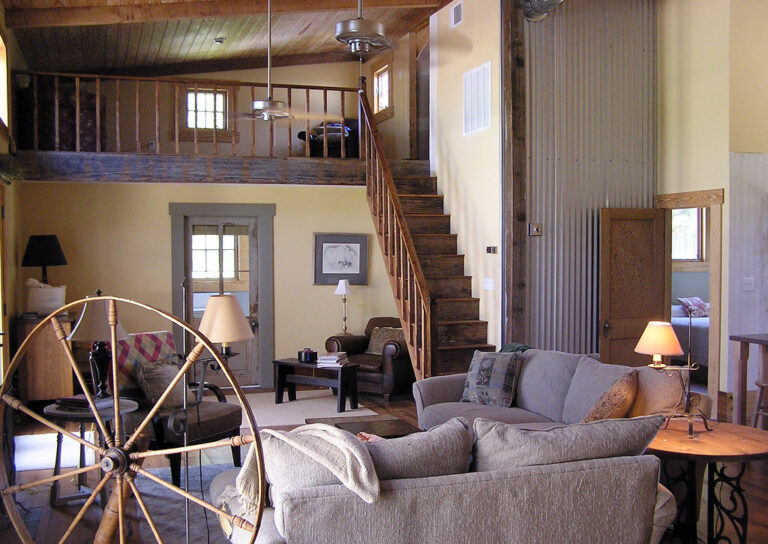
Imagine a rustic cabin nestled in your backyard where you can escape the hustle and bustle of everyday life. A shed to house conversion can create a cozy retreat with a warm and inviting interior. Incorporate elements like exposed beams, wood paneling, and a stone fireplace to bring the cabin vibes to life. Use rustic furnishings and natural materials to enhance the cozy atmosphere. You can also consider adding a loft area for additional sleeping quarters or a reading nook.
The Modern Oasis
For those who prefer a sleek and contemporary design, a shed to house conversion can be transformed into a modern oasis. Opt for clean lines, minimalist furniture, and a neutral color palette to create a sense of serenity. Incorporate large windows to maximize natural light and provide a seamless connection to the outdoor space. Consider adding a rooftop deck or patio for outdoor entertaining.
The Art Studio
A shed to house conversion is an excellent opportunity to create a dedicated art studio. Incorporate ample natural light, adjustable lighting fixtures, and storage space for art supplies. Consider installing a sink for easy cleanup, and optimize the layout to accommodate a worktable or easel. Personalize the space with inspiring artwork, vibrant colors, and comfortable seating for breaks between creative sessions.
Whether you envision a cozy cabin retreat, a modern oasis, or a dedicated art studio, a shed to house conversion offers endless possibilities to unleash your creativity and design a space that suits your unique style and needs.
Building Codes and Permits
Before embarking on a shed to house conversion project, it’s essential to familiarize yourself with the local building codes and permit requirements. Converting a shed into a livable space may require obtaining permits and adhering to specific regulations set by the local authorities. Factors such as the size of the shed, its location on the property, and the intended use can impact the permit requirements. Consulting with a building professional or local authorities can help ensure compliance with all necessary regulations.
Cost Considerations
The cost of a shed to house conversion can vary depending on several factors, including the size of the shed, the extent of the renovations, and the desired level of finishes. It’s essential to budget for expenses such as insulation, electrical and plumbing work, flooring, heating and cooling systems, and interior finishes. Obtaining quotes from contractors and suppliers can provide a better understanding of the potential costs involved in the conversion project.
Professional Help and DIY Options
Converting a shed into a livable house can be a complex project that requires various skills and expertise. While some homeowners may opt for a DIY approach, seeking professional help can ensure a successful and efficient conversion. Consulting with architects, contractors, or shed conversion specialists can provide valuable guidance and expertise throughout the process. Professionals can assist with design, structural modifications, and ensuring compliance with building codes and regulations.
However, for those with experience in construction and design, a DIY shed to house conversion project can be a rewarding and cost-effective option. It’s crucial to have a solid plan, access to necessary tools and materials, and a thorough understanding of the building process before undertaking a DIY conversion.
Transforming Sheds into Livable Homes: Embracing the Possibilities
Shed to house conversion floor plans offer a unique opportunity to transform underutilized spaces into functional and charming living environments. From choosing the right floor plan to incorporating essential systems and design elements, homeowners can create their dream space right in their backyard. Shed to house conversions allow for customization and personalization, enabling homeowners to embrace their creativity and create a truly one-of-a-kind living experience.
Transforming Spaces: Shed to House Conversion Floor Plans
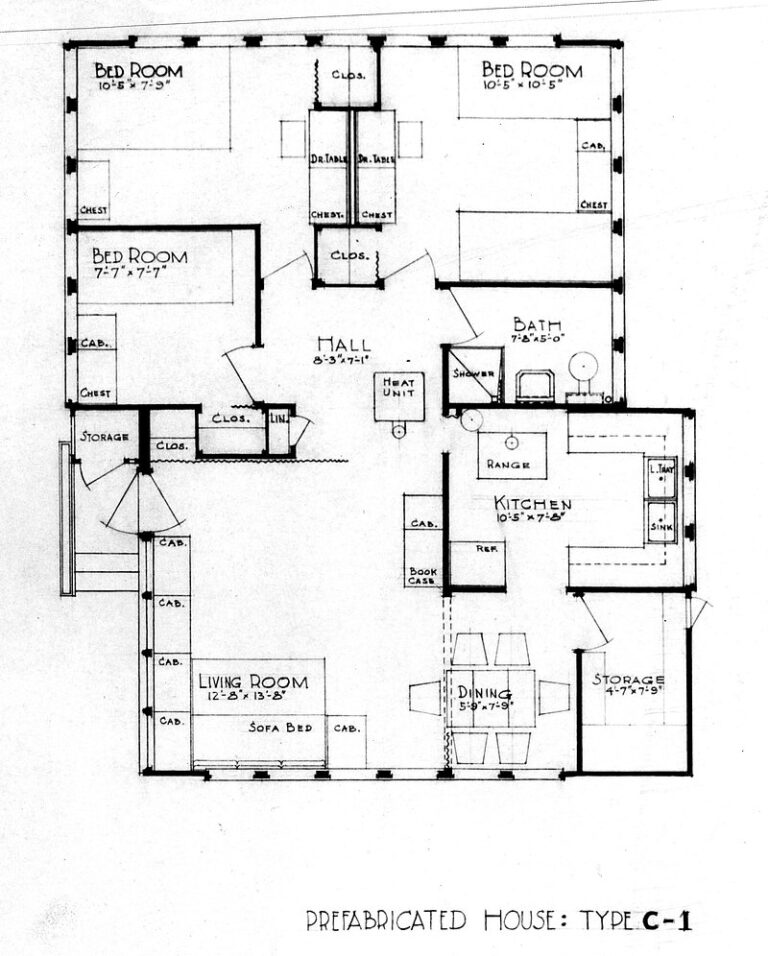
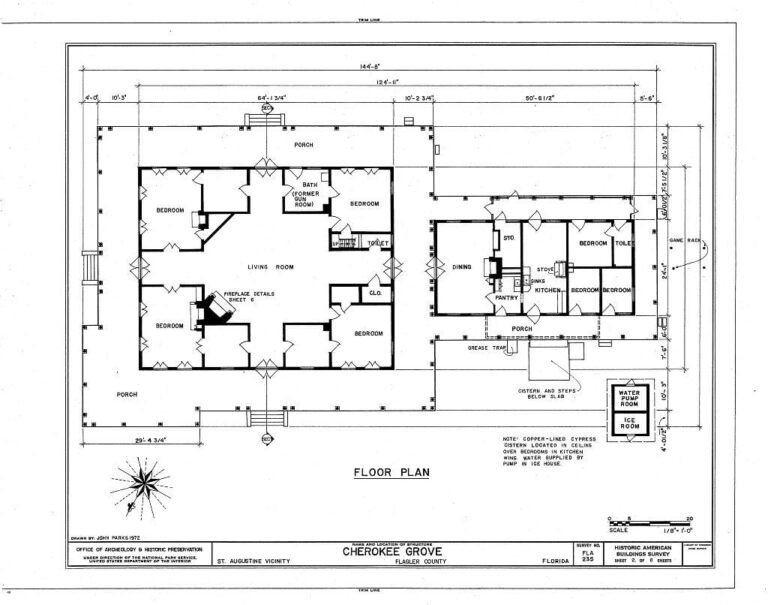
Converting a shed into a house is a cost-effective way to transform unused space into a livable and functional area. Shed to house conversion floor plans provide a detailed layout of the space, helping homeowners visualize the transformation and make informed decisions.
When creating shed to house conversion floor plans, it is essential to consider the following:
- Size and layout: Assess the shed’s size and determine how it can be maximized for various rooms, such as bedrooms, bathrooms, kitchen, and living spaces.
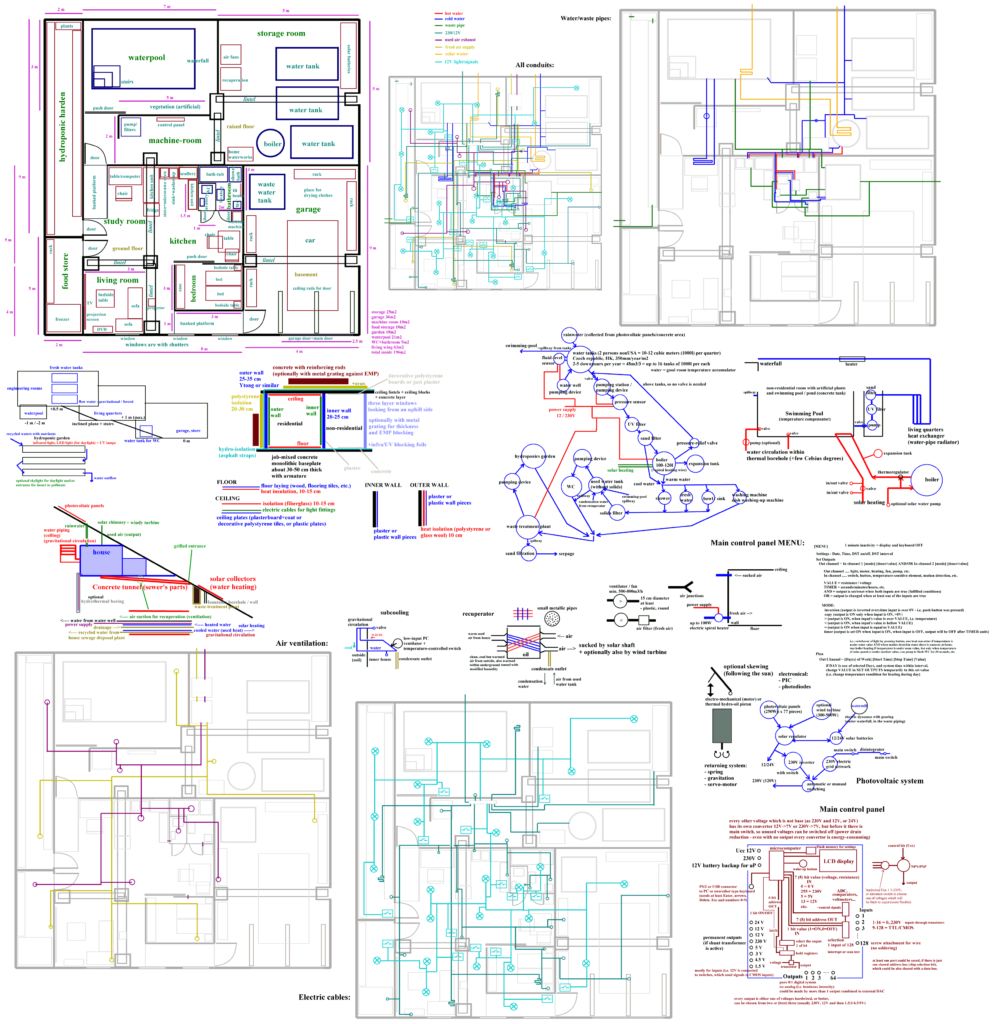
- Utilities: Plan the integration of plumbing, electrical, and heating systems, ensuring that the converted space meets building codes and regulations.
- Insulation and ventilation: Include details on insulation materials and ventilation systems to provide a comfortable and energy-efficient living space.
- Storage solutions: Incorporate storage options, such as built-in cabinets or hidden compartments, to make the most of limited space.
- Aesthetics: Consider the exterior and interior design elements to create a cohesive and visually appealing converted space.
Shed to house conversion floor plans can vary depending on individual preferences and the shed’s existing structure. Consulting with professionals, such as architects and contractors, can ensure that the conversion is done safely and efficiently, maximizing the potential of the space and turning a simple shed into a comfortable home.
Key Takeaways: Transforming Spaces: Shed to House Conversion Floor Plans
- Shed to house conversion floor plans can turn an ordinary shed into a functional and stylish living space.
- Creating an open floor plan maximizes the available space and creates a sense of openness.
- Incorporating windows and skylights can bring in natural light and make the space feel larger.
- Utilizing multi-purpose furniture and storage solutions is essential in a shed to house conversion.
- Adding insulation and proper ventilation ensures comfort and energy efficiency in the converted space.
Frequently Asked Questions
Transforming a shed into a house can be an exciting and cost-effective way to create additional living space. If you’re considering this type of conversion, you likely have some questions about the process. Here are some frequently asked questions about shed to house conversion floor plans:
1. How can I make the most of the limited space in a shed-to-house conversion?
When converting a shed into a house, space is usually limited, so it’s essential to maximize every square foot. Start by carefully planning the layout and considering multi-purpose furniture, such as foldable tables or sofa beds. Utilize vertical space by installing shelves or storage units that reach the ceiling. Keep the design minimalistic and opt for space-saving solutions like sliding doors. Finally, consider using light colors and large windows to create an illusion of a larger space.
Additionally, decluttering and organizing your belongings effectively will help create more usable space in your shed-to-house conversion. Be creative with storage solutions, such as built-in cabinets, under-bed storage, and wall-mounted racks. Prioritize functionality and efficiency when choosing furniture and appliances, opting for compact options whenever possible.
2. What factors should I consider when designing the floor plan for a shed-to-house conversion?
Designing a floor plan for a shed-to-house conversion requires thoughtful consideration of several factors. First, determine the purpose of each area and allocate space accordingly. Consider the number of rooms needed, the size and placement of windows for natural light, and the flow of movement within the space.
Additionally, think about the insulation and ventilation needs, as sheds are not typically built for year-round habitation. Ensure proper insulation and ventilation systems are installed to create a comfortable living environment. It’s also important to consult local building codes and regulations to ensure compliance and safety.
3. How do I incorporate essential utilities like plumbing and electricity into a shed-to-house conversion?
Integrating plumbing and electricity in a shed-to-house conversion will require careful planning and professional assistance. When it comes to plumbing, consider the location of existing plumbing lines if available and plan the layout of your bathroom and kitchen accordingly. Consult with a licensed plumber to guide you through the process and ensure proper installation.
For electricity, work with a licensed electrician to design a wiring plan that meets your needs. Ensure the electrical system is up to code and can handle the load of your appliances and lighting fixtures. Consider the placement of outlets and switches for convenience and functionality.
4. Can I add a second floor to my shed-to-house conversion?
Adding a second floor to a shed-to-house conversion is possible but may require structural modifications and professional assistance. Before considering this option, consult with a structural engineer or contractor to assess the shed’s existing foundation and structural integrity. They will advise on the feasibility of adding a second floor and ensure proper reinforcement if needed.
Keep in mind that adding a second floor will significantly impact the design and layout of your shed-to-house conversion. Consider factors such as stair placement, headspace, and vertical space utilization. It is also crucial to consider local building codes and obtain necessary permits for any structural modifications.
5. How much does a shed-to-house conversion typically cost?
The cost of a shed-to-house conversion can vary depending on various factors, including the size of the shed, the extent of renovations, the quality of materials used, and the location. On average, you can expect to spend between $15,000 to $50,000 for a basic conversion.
Keep in mind that this estimate is a rough guideline, and the actual cost may be higher or lower based on your specific project requirements and design choices. It’s recommended to consult with contractors or professionals in your area to get accurate cost estimates tailored to your project.
In conclusion, transforming a shed into a house can be an exciting and creative project. By carefully considering the floor plans and taking into account your needs and space limitations, you can create a functional and comfortable living space that suits your lifestyle.
Whether you’re looking to downsize or simply add more living space to your property, converting a shed into a house offers a cost-effective and sustainable solution. With the right floor plan, you can maximize the available area and create a unique and personalized home.