Urban Living: Modern Multi-Family House Plans
In this article
Urban living has undergone a significant transformation with the rise of modern multi-family house plans. These innovative designs cater to the needs and desires of individuals and families seeking a dynamic urban lifestyle. With the increasing demand for housing in urban areas, modern multi-family house plans offer practical and efficient solutions to the challenges of limited space while providing a stylish and comfortable living environment.
One of the most significant aspects of modern multi-family house plans is their ability to maximize living space without sacrificing functionality. These designs often incorporate open floor plans, floor-to-ceiling windows, and thoughtful layout arrangements to create a sense of spaciousness. Additionally, modern multi-family house plans emphasize the use of sustainable materials and energy-efficient technologies, contributing to a greener urban living experience. With their blend of contemporary design, practicality, and sustainable practices, these house plans are reshaping the way urban dwellers experience and enjoy their homes.
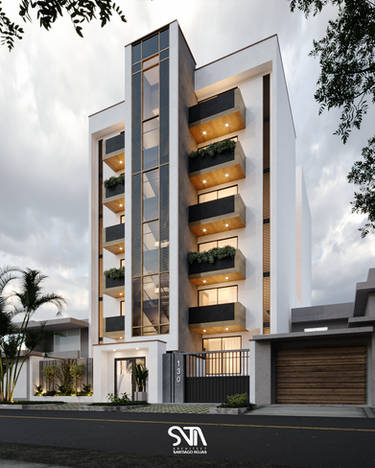
Urban Living: Modern Multi-Family House Plans offer the perfect solution for those seeking a contemporary urban lifestyle. These thoughtfully designed plans are optimized for modern living, providing spacious layouts, sleek finishes, and functional spaces. With features like open-concept living areas, gourmet kitchens, and ample storage, these plans cater to the needs of multi-generational families and urban dwellers. Enjoy the convenience of multiple units under one roof, along with the benefits of shared amenities and a vibrant community atmosphere. Experience the epitome of urban living with these modern multi-family house plans.

Creating Modern Multi-Family House Plans for Urban Living
Urban living has become increasingly popular in recent years, as people seek the convenience and vibrancy of city life. With limited space and a growing population, modern multi-family house plans have emerged as a practical and efficient solution for urban dwellers. These innovative designs offer a range of benefits, from maximizing living space to fostering a sense of community. In this article, we will explore the unique aspects of modern multi-family house plans and their impact on urban living.
Efficient Space Utilization
One of the key advantages of modern multi-family house plans is their efficient space utilization. These designs are specifically tailored to make the most of limited urban spaces, ensuring that every inch of the property is maximized for practical use. Multiple units are strategically positioned and designed to fit within the available footprint, allowing for compact yet functional living spaces.
Moreover, these house plans prioritize the creation of shared or communal spaces that can be enjoyed by multiple families. For example, rooftops can be transformed into communal gardens or gathering areas, balconies can offer shared recreational spaces, and common rooms can provide opportunities for interaction and socialization. By creatively using common areas, the overall living space available to each unit is effectively expanded.
Additionally, these house plans often incorporate innovative storage solutions such as built-in cabinets, hidden compartments, and multi-functional furniture to maximize storage space without sacrificing aesthetics. These clever design elements allow residents to live comfortably in their urban homes without feeling cramped or cluttered.
Furthermore, modern multi-family house plans frequently include energy-efficient features like solar panels, rainwater harvesting systems, and energy-saving appliances. These sustainable elements help reduce the environmental impact of urban living while also lowering utility costs for residents, making them an attractive option for eco-conscious individuals.
Sense of Community
Urban living can often be isolating, with limited opportunities for social interaction. However, modern multi-family house plans aim to foster a sense of community among residents. These designs often feature shared amenities and common spaces that encourage neighbors to interact and form connections.
For instance, a community room or lounge area can serve as a gathering spot for residents to socialize or host events. Outdoor spaces such as courtyard gardens, playgrounds, or exercise areas can encourage outdoor activities and interactions. Additionally, planned events or shared activities organized by the residents or the building management can provide opportunities for neighbors to come together and build relationships.
Furthermore, modern multi-family house plans often incorporate design elements that facilitate interaction, such as open floor plans that encourage communication between rooms, and balconies or patios that offer shared outdoor spaces. These features promote a sense of belonging and create a welcoming atmosphere within the building.
Moreover, the shared spaces in modern multi-family house plans provide opportunities for residents to pool resources and share responsibilities. For example, residents can collaborate on maintenance tasks, community initiatives, or even shared childcare. This sense of shared responsibility not only builds connections but also provides a support network for urban dwellers.
Flexible Living Arrangements
Another notable aspect of modern multi-family house plans is their flexibility in accommodating different living arrangements. These designs can cater to various family sizes and compositions, making them adaptable for individuals, couples, small families, or even extended families.
For instance, some units may feature separate bedrooms, bathrooms, and living spaces, allowing each family member to have their own private area while sharing common facilities. On the other hand, open floor plans can provide a more communal living experience for families who prefer a shared living space.
Additionally, modern multi-family house plans often incorporate versatile room layouts that can be customized to suit individual preferences. Flexible spaces, such as home offices or multipurpose rooms, can be adapted to meet the changing needs of residents, whether for work, hobbies, or additional accommodation for guests.
Furthermore, these house plans may include accessible design features such as wide doorways, ramps, or elevators, ensuring that residents of all abilities can comfortably navigate the building. This inclusivity extends the benefits of modern multi-family house plans to a wider range of individuals and families.
Integration of Technology
In our increasingly digital age, modern multi-family house plans also embrace the integration of technology to enhance urban living. These designs often include smart home features and advanced systems that provide convenience, security, and efficiency.
For example, smart home automation systems can control lighting, temperature, and security features, allowing residents to customize and manage their living environment with ease. Energy monitoring systems can provide real-time data on energy consumption, enabling residents to make informed decisions about their usage and reduce their carbon footprint.
Furthermore, the integration of technology in modern multi-family house plans may include communal systems that enhance shared spaces. These can include communication platforms for residents to connect with each other, online booking systems for shared facilities, or smart parcel management systems that streamline package deliveries.
Moreover, high-speed internet connectivity and dedicated workspaces within the building can accommodate remote work or telecommuting, which has become increasingly important in the digital age. This integration of technology supports the evolving needs of urban dwellers and enhances their overall living experience.
Sustainability and Eco-Friendly Features
The second dimension we will explore is the sustainability and eco-friendly features of modern multi-family house plans. As more people become aware of environmental issues, sustainable living has gained traction as a crucial aspect of urban development.
Energy Efficiency
Modern multi-family house plans prioritize energy efficiency to reduce the environmental impact of urban living. These designs incorporate various energy-saving features and technologies to minimize energy consumption and promote sustainability.
One common energy-saving feature is the use of solar panels to generate renewable energy. These panels harness the power of sunlight to generate electricity, reducing reliance on traditional energy sources and lowering utility costs for residents. Additionally, energy-efficient appliances, LED lighting fixtures, and insulation systems contribute to reducing overall energy consumption within the building.
Moreover, building materials with high insulation properties are used to regulate temperature and minimize the need for excessive heating or cooling. This improves energy efficiency and reduces the carbon footprint associated with HVAC systems. Furthermore, the integration of smart home technology allows for more precise control over energy consumption, enabling residents to monitor and adjust their energy usage.
Furthermore, rainwater harvesting systems are increasingly incorporated into modern multi-family house plans. These systems collect rainwater and store it for non-potable uses such as irrigation, toilet flushing, and laundry. By utilizing rainwater instead of fresh water for certain purposes, these systems reduce the strain on municipal water resources and promote water conservation.
Green Spaces and Sustainable Landscaping
In addition to energy efficiency, modern multi-family house plans often incorporate green spaces and sustainable landscaping to enhance the overall environmental sustainability of the property.
Green roofs or rooftop gardens are increasingly popular features in urban multi-family housing designs. These green spaces provide numerous benefits, such as improving air quality, reducing the urban heat island effect, and providing aesthetic appeal. They also act as insulation, reducing the need for excessive heating or cooling within the building.
Sustainable landscaping practices, such as using native plants, drip irrigation systems, and water-efficient landscaping techniques, are also integrated into modern multi-family house plans. These practices minimize water waste, reduce the need for chemical pesticides or fertilizers, and create a harmonious connection between the built environment and the natural surroundings.
Furthermore, incorporating bicycle storage facilities and encouraging alternative transportation options within the building design promotes sustainable modes of transportation and reduces reliance on cars. This helps reduce carbon emissions and contribute to a more environmentally friendly urban lifestyle.
Waste Management and Recycling
Sustainability in modern multi-family house plans is not limited to energy and water conservation. Waste management and recycling solutions are also integrated into these designs to minimize landfill waste and promote responsible waste disposal.
These designs often include dedicated recycling and waste sorting areas, making it easier for residents to separate recyclable materials from general waste. Additionally, some buildings may incorporate composting systems to handle organic waste, further reducing the amount of waste sent to landfills.
In some cases, modern multi-family house plans incorporate innovative waste management systems such as pneumatic waste disposal. This system uses a network of underground pipes to transport waste directly from individual units to a centralized collection point, reducing the need for conventional waste disposal methods and minimizing environmental impact.
Conclusion
Modern multi-family house plans play a vital role in urban living by offering efficient space utilization, fostering a sense of community, accommodating flexible living arrangements, and integrating technology into the built environment. These designs cater to the unique needs and challenges of urban dwellers, providing practical and sustainable solutions for modern living.
Introduction
Urban living has become increasingly popular in recent years, as more people seek modern and convenient housing options in bustling cities. One of the key aspects of urban living is the availability of multi-family house plans that cater to the needs of individuals and families in urban environments. These modern multi-family house plans offer a range of benefits, including space optimization, cost efficiency, and a sense of community.
Benefits of Modern Multi-Family House Plans
- Space optimization: Modern multi-family house plans are designed to make the most efficient use of space, ensuring that every square foot is utilized effectively. This is especially important in urban environments where space is often limited.
- Cost efficiency: By sharing walls and infrastructure, multi-family houses can be more cost-effective compared to single-family homes. This allows residents to enjoy the benefits of urban living at a more affordable price.
- Sense of community: Living in a multi-family house provides residents with the opportunity to interact and socialize with their neighbors, fostering a sense of community and belonging.
In conclusion, modern multi-family house plans are a popular choice for urban living due to their space optimization, cost efficiency, and the sense of community they offer. These housing options cater to the needs of individuals and families in urban environments, providing a modern and convenient living solution in bustling cities.
Key Takeaways: Urban Living: Modern Multi-Family House Plans
- Modern multi-family house plans are designed for urban living.
- These house plans prioritize efficient use of space and flexible living arrangements.
- Open floor plans and large windows are common features in modern multi-family homes.
- Outdoor living spaces, such as rooftop decks or balconies, are often included.
- Modern multi-family house plans offer a variety of unit sizes and configurations to accommodate diverse lifestyles.
Frequently Asked Questions
Urban living has become increasingly popular, and with the rise of multi-family housing, modern house plans are on the rise. If you’re considering urban living and searching for the perfect multi-family house plan, you may have a few questions. Here, we provide answers to some frequently asked questions about urban living and modern multi-family house plans.1. What are the advantages of urban living?
Urban living offers several advantages. First, it allows for convenient access to amenities such as restaurants, shops, and entertainment venues. Living in a city often means having everything you need within walking distance. Additionally, urban areas tend to offer a vibrant social scene and cultural events. Furthermore, living in a city reduces commuting time and allows for a more sustainable lifestyle with reduced reliance on cars. Urban living also provides opportunities for career growth. Many cities have thriving job markets and offer a wider range of employment opportunities. Living in an urban area can open doors to networking and professional development.2. What is a multi-family house plan?
A multi-family house plan is designed to accommodate more than one household. It typically consists of separate living spaces for multiple families or individuals within a single building. These living spaces are usually connected by shared areas such as hallways or common rooms. Multi-family house plans are popular in urban areas where space is limited. They provide an efficient way to maximize land use while offering each household privacy and independence. These house plans can range from duplexes, triplexes, or even larger apartment buildings.3. What are the key features of modern multi-family house plans?
Modern multi-family house plans are characterized by their contemporary design and functionality. They prioritize open floor plans, maximizing natural light, and incorporating sustainable elements. These house plans often feature spacious kitchens, large windows, and outdoor living spaces such as balconies or patios. Additionally, modern multi-family house plans prioritize efficient use of space and storage solutions. They may include features like built-in shelving, walk-in closets, and multipurpose rooms to accommodate various needs.4. How can I customize a multi-family house plan to suit my needs?
When choosing a multi-family house plan, you have the option to customize it to suit your specific needs. This can include modifying the layout or room sizes to better fit your lifestyle. You may also have the opportunity to choose finishes, fixtures, and appliances to create a personalized look and feel. Working with an architect or a builder experienced in multi-family housing can help ensure that your customization needs are met while adhering to local building regulations and codes.5. Are there any considerations for living in a multi-family house?
Living in a multi-family house requires some considerations. First, it’s important to establish good communication and respect with your neighbors since you’ll be sharing some common areas. Being mindful of noise levels and shared responsibilities can help maintain a harmonious living environment. It’s also essential to understand any rules or regulations set by the homeowners’ association or management company. These may include guidelines on pets, parking, or common area usage. Additionally, consider the size and layout of the multi-family house plan in relation to your lifestyle and future needs. Make sure it meets your current and potential requirements for space, privacy, and functionality. Overall, urban living with modern multi-family house plans offers convenience, community, and the opportunity to embrace a contemporary lifestyle. By understanding the advantages, features, and considerations, you can make an informed decision when choosing the ideal urban living space for you and your family.As urban areas continue to grow and space becomes limited, modern multi-family house plans are becoming increasingly popular. These innovative designs offer a solution to the high demand for housing in cities while maximizing living space and providing a sense of community.
With their sleek and contemporary aesthetic, multi-family house plans embrace the urban lifestyle. They often feature open floor plans, large windows, and shared amenities such as rooftop gardens, fitness centers, and communal gathering spaces. This promotes a sense of camaraderie and allows residents to interact and socialize with their neighbors.