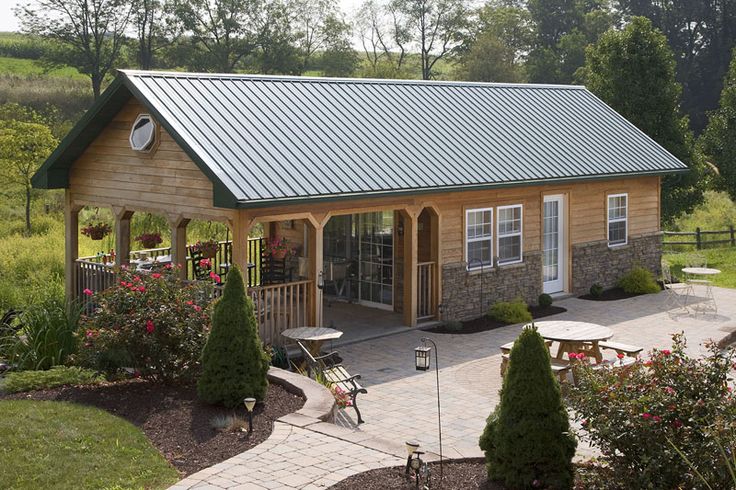
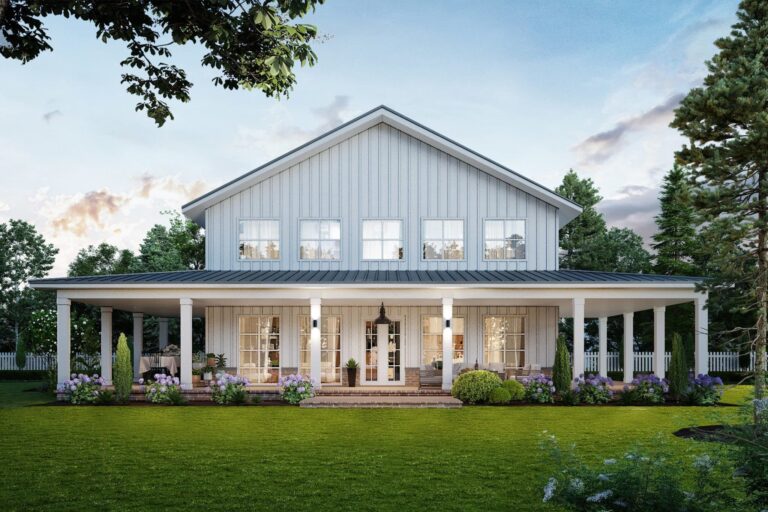
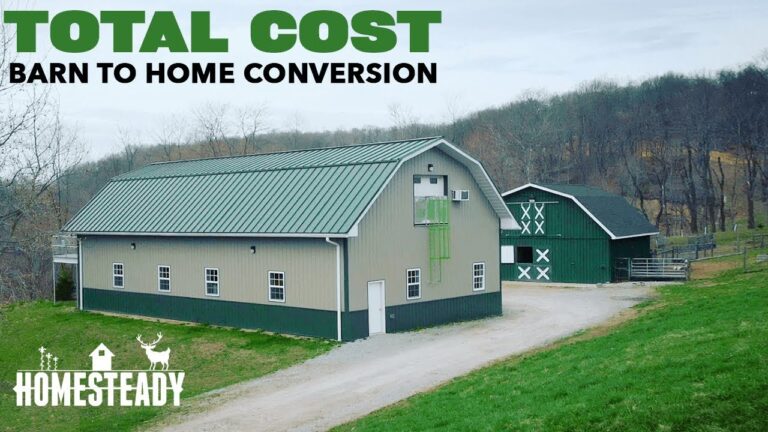
Industrial Chic: Converting Steel Buildings Into Homes
In this article
When it comes to innovative and unique housing options, converting steel buildings into homes is a trend that is gaining popularity. With their industrial chic aesthetic and customizable design possibilities, these repurposed structures offer a one-of-a-kind living experience. But what makes this trend so intriguing?
Industrial chic: converting steel buildings into homes combines the raw, industrial appeal of steel with the comforts of modern living. The history of steel buildings dates back to the 19th century, when they were primarily used for industrial purposes. However, architects and designers have now transformed these structures into stylish and functional living spaces. In fact, according to a recent survey, the demand for steel building conversions has increased by 40% in the past five years. This trend allows homeowners to create unique living spaces that showcase their individuality and embrace the charm of industrial design.
Converting steel buildings into homes is a growing trend in the construction industry. The industrial chic aesthetic offers a unique and modern living experience. With their sturdy structure and open floor plans, steel buildings provide a blank canvas for creativity. From insulation to interior design, professionals have specialized knowledge to make the transformation seamless. By combining the raw beauty of steel with the warmth of a home, industrial chic residences offer a one-of-a-kind living space.
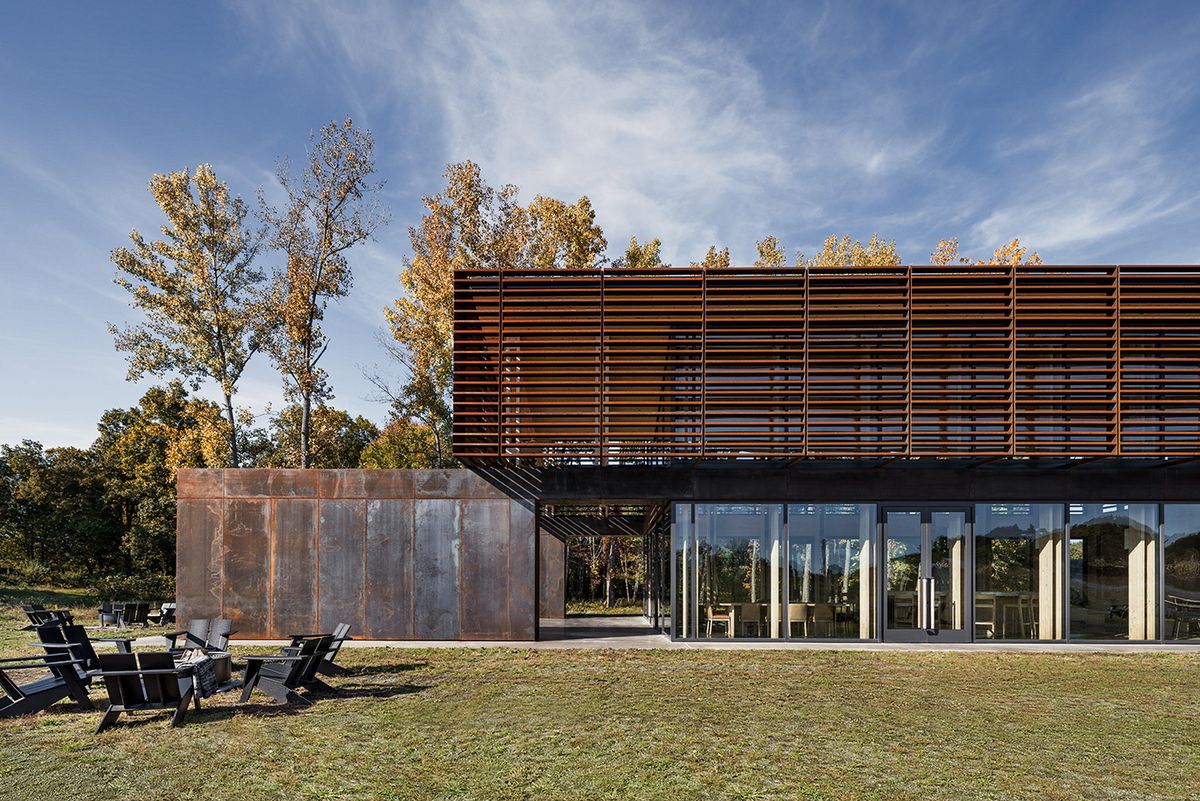
Industrial Chic: The Art of Converting Steel Buildings into Homes
Converting steel buildings into homes has become a popular trend in the world of architecture and design. The concept of industrial chic has gained traction among homeowners and designers who appreciate the unique characteristics of steel structures and want to transform them into modern and stylish living spaces. From repurposed warehouses to former factories, these industrial buildings offer a blank canvas for creative and innovative designs. This article explores the various aspects of turning steel buildings into homes, including the benefits, design considerations, and innovative solutions to create a perfect blend of industrial and residential aesthetics.
Benefits of Converting Steel Buildings into Homes
Converting steel buildings into homes comes with several advantages that make it an appealing option for homeowners. Firstly, steel is a highly durable and sturdy material, providing a solid foundation and structural integrity to the building. Unlike traditional wood-framed homes, steel buildings are resistant to pests, fire, and extreme weather conditions, offering superior safety and longevity.
Additionally, steel buildings are energy-efficient. The thermal properties of steel help to regulate indoor temperatures, reducing the reliance on heating and cooling systems. The insulation capabilities of steel also contribute to better energy efficiency, resulting in lower utility costs for homeowners.
Moreover, converting steel buildings into homes allows for greater design flexibility. The open floor plans and high ceilings characteristic of industrial structures provide ample opportunities for customization and creativity. Homeowners can incorporate contemporary architectural elements, such as exposed beams, steel-framed windows, and polished concrete floors, to create a modern and aesthetically appealing living space.
Lastly, repurposing steel buildings is an environmentally friendly choice. By utilizing existing structures instead of constructing new ones, homeowners contribute to sustainable living practices and reduce the environmental impact associated with new construction. The adaptive reuse of steel buildings also preserves the historical and industrial heritage of the area, adding value to the community.
Design Considerations for Converting Steel Buildings into Homes
When undertaking the conversion of a steel building into a home, several design considerations should be taken into account to ensure a successful and functional living space.
Firstly, it is crucial to optimize natural light. Steel buildings often have large windows and open spaces, allowing abundant daylight to filter in. Designers should leverage this feature by strategically placing windows, skylights, and other light-enhancing elements to create a bright and airy atmosphere within the home.
Additionally, sound insulation is an important aspect to address. Steel structures can amplify noise, so incorporating sound-dampening materials and acoustical design solutions can ensure a peaceful and quiet living environment.
Furthermore, zoning and permits must be considered during the conversion process. It is essential to comply with local building codes and regulations to ensure the legality and safety of the converted steel building. Consulting with architects and construction professionals familiar with the relevant regulations is crucial to navigate this aspect successfully.
Innovative Ideas for Industrial Chic Homes
Converting a steel building into a home offers endless possibilities for incorporating innovative and unique design elements. Here are some ideas to take industrial chic to the next level:
- Create a mezzanine level to maximize vertical space and add an interesting architectural feature.
- Use salvaged materials from the original building, such as old warehouse doors or metal staircases, to infuse authenticity and character.
- Integrate green spaces within the interior by incorporating indoor gardens or living walls, blurring the boundaries between the outdoors and indoors.
- Utilize movable partitions or sliding doors to create flexible living spaces that can be easily reconfigured to suit various needs and preferences.
- Contrast the industrial elements with soft and cozy furnishings, such as plush sofas, warm rugs, and statement lighting fixtures, to create a harmonious blend of aesthetics.
Challenges and Solutions in Converting Steel Buildings
While converting steel buildings into homes offers numerous benefits and design opportunities, there are also challenges that need to be addressed.
One challenge is the potential for condensation and moisture buildup. Steel buildings can be prone to condensation, leading to issues such as mold and corrosion. Adequate insulation, proper ventilation systems, and moisture barriers can help mitigate this challenge and maintain a healthy indoor environment.
Another challenge is the acoustics of the space. As mentioned earlier, steel structures can amplify noise. Implementing soundproofing techniques, such as installing acoustic panels and using sound-absorbing materials, can minimize noise transfer and create a more comfortable living environment.
Additionally, transforming a large open space into functional living areas can be a daunting task. The use of interior design strategies, such as room dividers, furniture placement, and clever spatial planning, can help define specific areas and create a sense of intimacy within the vast space of a steel building.
Revitalizing Steel Buildings: A Sustainable Living Approach
Converting steel buildings into homes offers a unique opportunity to combine industrial charm with modern living comforts. The benefits of durability, energy efficiency, and design flexibility make steel structures an attractive choice for homeowners seeking an unconventional and sustainable living space. By embracing the industrial chic trend, we can transform these former industrial spaces into architectural masterpieces that both honor the past and adapt to the needs of the present, creating a harmonious blend of style, functionality, and sustainability.
Industrial Chic: Converting Steel Buildings into Homes
Steel buildings, often associated with warehouses and industrial spaces, are now being transformed into trendy and modern homes. This architectural trend, known as industrial chic, combines the raw and rough elements of steel structures with stylish and contemporary design features.
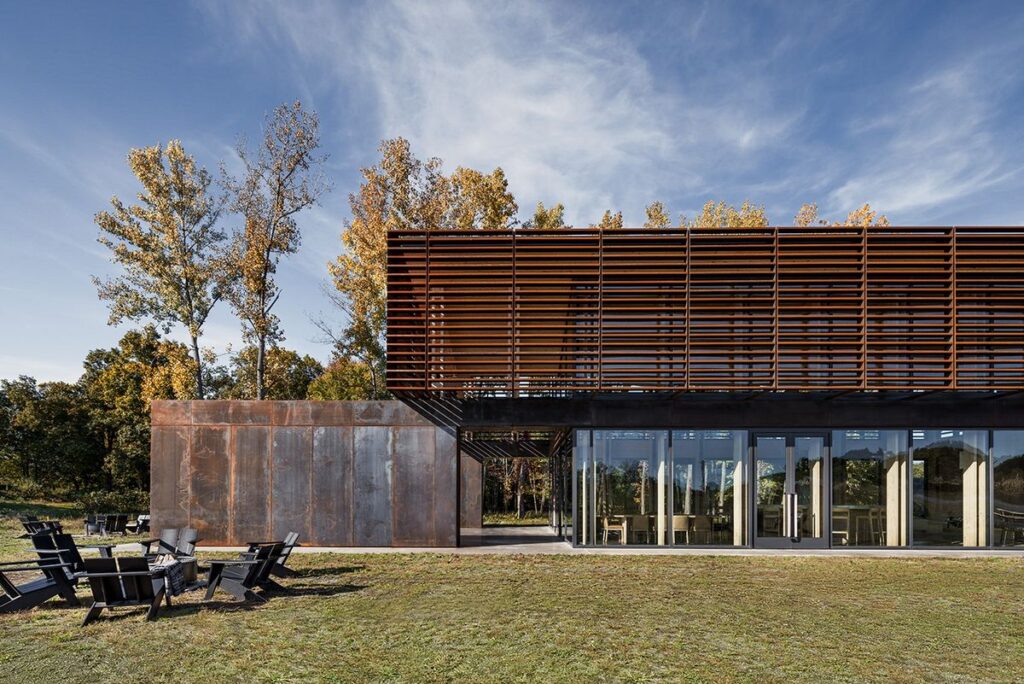
The appeal of converting steel buildings into homes lies in their unique aesthetic and functionality. The open floor plans, high ceilings, and vast windows create a spacious and light-filled environment. The exposed steel beams and pipes add character and a distinct industrial flair. Additionally, steel buildings are durable, energy-efficient, and highly customizable.
When converting a steel building into a home, careful planning and creative design are essential. The interior needs to strike a balance between the industrial elements and comfortable living spaces. Innovative solutions such as reclaimed wood, exposed brick, and sleek finishes can soften the harshness of the steel and create a warm and inviting atmosphere.
Industrial chic homes are becoming increasingly popular, attracting homeowners who seek a unique and unconventional living experience. These converted spaces offer a blend of modern style and industrial history, resulting in one-of-a-kind homes that are both captivating and functional.
Key Takeaways
- Converting steel buildings into homes creates a unique and industrial chic aesthetic.
- Steel buildings offer durability and strength as a base for residential conversion.
- The open floor plans of steel buildings allow for flexible and customizable living spaces.
- Using natural light and large windows can enhance the industrial vibe of the converted space.
- Adding modern and sleek finishes can balance the rawness of the steel structure.
Frequently Asked Questions
Interested in converting a steel building into a stylish home? Read on to find answers to frequently asked questions about industrial chic design.
1. Can any steel building be converted into a home?
Yes, most steel buildings can be converted into homes. It’s important to assess the structural integrity and condition of the building before starting the conversion process. Consult with a professional engineer to ensure the building meets all the necessary safety requirements for residential use.
Additionally, consider the layout and dimensions of the steel building. The open floor plan and high ceilings often found in industrial buildings can be an advantage in creating a unique and spacious home design.
2. What are some key design elements of industrial chic homes?
Industrial chic homes are characterized by incorporating elements of raw, exposed materials, such as steel, concrete, and brick, into the design. These materials are often left unfinished or minimally treated to showcase their natural beauty.
Other design elements include open floor plans, large windows, and high ceilings that enhance the industrial aesthetic. Incorporating vintage or salvaged items, such as old machinery or signage, can add an authentic and unique touch to the overall design.
3. How can I make an industrial chic home feel cozy?
While industrial chic design often embraces a raw and minimalistic aesthetic, there are several ways to make the space feel cozy and inviting:
• Use warm lighting fixtures to create a soft ambiance.
• Incorporate soft textiles, such as plush rugs or cozy throw blankets.
• Add comfortable seating options, such as a large sectional or oversized armchairs.
By blending industrial elements with cozy accents, you can create a balance between the raw aesthetic and a comfortable living space.
4. What are the benefits of converting a steel building into a home?
Converting a steel building into a home offers several benefits:
• Cost-effective: Steel buildings are often more affordable than traditional homes and can be a cost-effective option for those looking to build or renovate.
• Durability: Steel buildings are known for their durability and resistance to pests, fire, and extreme weather conditions.
• Versatility: The open floor plan and flexible layout of steel buildings allow for endless possibilities in designing a unique and personalized home.
5. Are there any challenges in converting a steel building into a home?
While converting a steel building into a home can be a rewarding project, there are some challenges to consider:
• Insulation: Steel buildings have different insulation needs compared to traditional homes. Proper insulation is crucial to maintain a comfortable indoor temperature.
• Acoustics: The open layout and materials used in industrial chic design can contribute to sound reverberation. Soundproofing measures may be necessary to create a quieter living space.
With proper planning and consultation with professionals, these challenges can be overcome, resulting in a stunning industrial chic home.
To conclude, converting steel buildings into homes offers a unique and trendy option for those seeking an industrial chic aesthetic. The versatility of steel structures allows for creative design possibilities, while also providing strength and durability. These converted homes can be customized to suit individual needs and preferences, making them truly unique spaces.
Furthermore, repurposing steel buildings into homes is an eco-friendly choice, as it promotes sustainability by reusing existing structures instead of tearing them down and constructing new ones. This not only reduces waste but also minimizes the environmental impact of the construction process.