Modern Vs Rustic Farmhouse: Understanding The Distinctions
In this article
When it comes to farmhouse aesthetics, there are two distinct styles that stand out: modern and rustic farmhouse. The distinctions between these two styles are not only visually striking but also reflect different approaches to design and living. Exploring the differences between modern and rustic farmhouse can help us understand how these styles have evolved over time and how they continue to shape our homes today.
The modern farmhouse style is characterized by clean lines, minimalism, and a contemporary twist on traditional farmhouse elements. With its sleek and streamlined design, modern farmhouse homes often feature open floor plans, large windows, and a focus on functionality. In contrast, rustic farmhouse embraces a more rustic, cozy, and nostalgic feel. This style is known for its use of reclaimed wood, vintage fixtures, and farmhouse-inspired accessories. Understanding the distinctions between these two styles can help us make informed choices about our own homes and bring out the best in both modern and rustic farmhouse aesthetics.
When it comes to homes, the distinctions between modern and rustic farmhouse styles are important to understand. Modern farmhouse design blends clean lines, neutral colors, and natural materials for a sleek and sophisticated look. Rustic farmhouse, on the other hand, embraces a cozy and warm aesthetic with raw and distressed wood, vintage elements, and earthy tones. Whether you prefer a contemporary or a more vintage vibe, understanding the differences between these two styles will help you create the perfect farmhouse aesthetic for your home.
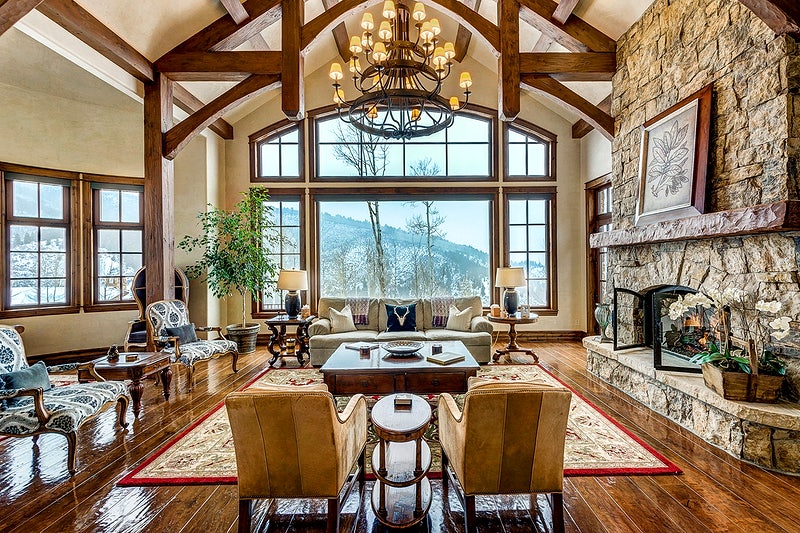
The Aesthetics of Modern Farmhouse
When it comes to home design, the modern farmhouse style has gained immense popularity in recent years. It combines the sleek and contemporary elements of modern design with the rustic charm and coziness of a farmhouse. The distinct features of a modern farmhouse make it a versatile and appealing choice for homeowners. It brings together the best of both worlds, creating a unique and inviting living space. Understanding the distinctions between modern and rustic farmhouse aesthetics can help you make informed design choices for your home.
Modern Farmhouse: Clean Lines and Minimalism
The modern farmhouse style is characterized by clean lines, simplicity, and minimalism. It embraces open spaces and natural light, creating an airy and spacious atmosphere. This style often features neutral color palettes, such as whites, grays, and earth tones, which contribute to a light and bright ambiance. The use of natural materials like wood, stone, and metal is common, adding warmth and texture to the space.
In a modern farmhouse, you’ll find sleek and streamlined furniture with minimal ornamentation. The focus is on functionality and simplicity, with each piece serving a purpose. Straight-edged sofas, chairs with clean silhouettes, and minimalist coffee tables are common furniture choices. Accents and accessories are kept to a minimum, allowing the architectural elements and natural materials to shine.
Another distinctive feature of modern farmhouse aesthetics is the incorporation of modern technology. Smart home features, such as voice-controlled lighting and temperature control, seamlessly blend with the traditional farmhouse style. This combination of modern conveniences and rustic charm creates a harmonious and comfortable living environment.
Interior Design Elements
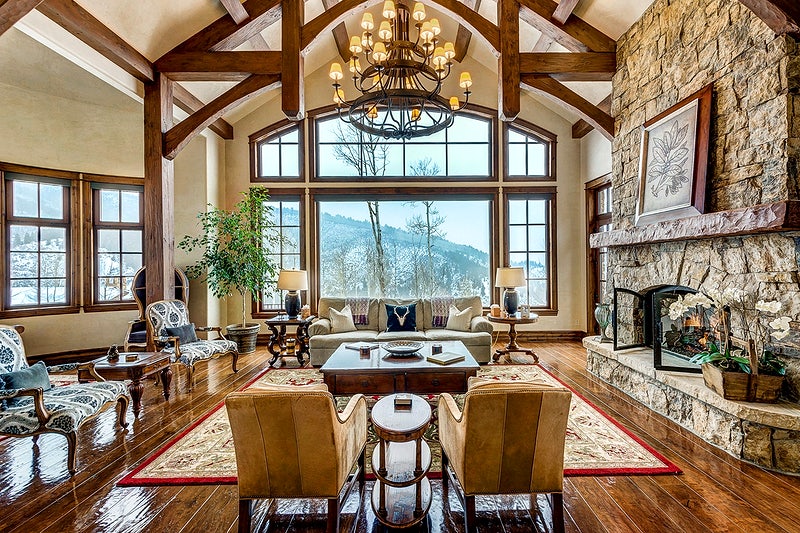
In modern farmhouse interiors, you’ll often find open floor plans that promote a sense of flow and connectivity between different areas of the home. The kitchen, dining, and living spaces are seamlessly integrated, allowing for easy interaction and entertainment. Vaulted ceilings with exposed beams are a coveted architectural feature that adds a touch of rustic elegance to the space.
When it comes to flooring, hardwood or reclaimed wood is a popular choice for modern farmhouse aesthetics. It adds warmth and character to the space while maintaining a clean and minimalist look. Tile or stone floors can also be incorporated, especially in areas such as the entryway or bathroom, to add a touch of sophistication.
Lighting plays a crucial role in modern farmhouse design. Large windows and skylights allow natural light to flood the space, creating a bright and inviting atmosphere. Pendant lights and chandeliers with a rustic touch are often used as statement pieces, adding an element of visual interest and charm. Layered lighting is also common, with recessed lights and task lighting enhancing functionality in different areas of the home.
Exterior Design Elements
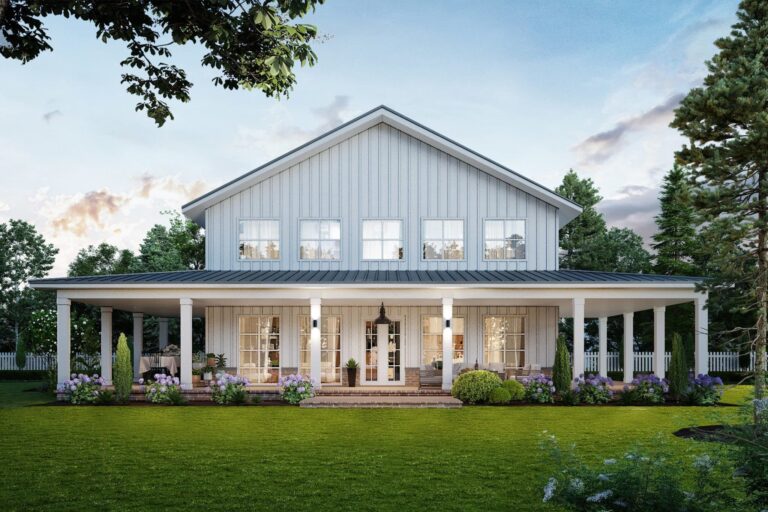
The exterior of a modern farmhouse is as important as its interior. It often features a combination of different materials, such as wood siding, stone accents, and metal roofs. Large, wrap-around porches or covered outdoor spaces provide ample opportunities for relaxation and enjoying the surrounding nature.
The color palette of the exterior is typically neutral, with white or light-colored exteriors being popular choices. This helps the home blend seamlessly with its natural surroundings. Black or dark window frames and accents add a modern touch to the traditional farmhouse design.
Lush landscaping with native plants, well-maintained gardens, and a welcoming front entrance complete the modern farmhouse exterior. It exudes a sense of warmth and tranquility while showcasing a sophisticated blend of modern and rustic elements.
Furnishings and Decor
The furnishings and decor of a modern farmhouse strike a balance between simplicity and comfort. Upholstered furniture in neutral tones with clean lines and natural textures adds a cozy and inviting touch to the space. Comfortable seating arrangements create intimate gathering spaces for family and friends.
Reclaimed wood accents, such as barn doors, exposed ceiling beams, and floating shelves, are common design elements in a modern farmhouse. They add character and a rustic touch to the overall aesthetic. Decorative elements like vintage-inspired signs, distressed finishes, and handmade crafts bring a sense of nostalgia and authenticity.
In terms of textiles, natural fabrics like linen, cotton, and burlap are favored choices for curtains, throw pillows, and bedding. These materials contribute to the cozy and inviting atmosphere of a modern farmhouse while maintaining a sense of simplicity and understated elegance.
Rustic Farmhouse: Cozy and Timeless
The rustic farmhouse style adds a touch of nostalgia and charm to any home. It embraces the warmth and character of traditional farmhouse design while incorporating rustic elements that stand the test of time. This timeless aesthetic creates a cozy and inviting atmosphere that welcomes everyone.
One of the defining characteristics of rustic farmhouse aesthetics is the use of natural, organic materials. Wood is prominently featured in the architecture and furnishings, giving a warm and earthy feel to the space. Rough-hewn beams, wide-plank flooring, and reclaimed wood furniture capture the essence of rustic charm.
In a rustic farmhouse, you’ll find a mix of vintage and antique furniture pieces. These items often have a distressed or weathered appearance, reflecting their history and providing a sense of authenticity. It’s common to see farmhouse tables, Windsor chairs, and vintage hutches in a rustic farmhouse interior.
The color palette of a rustic farmhouse is warm and inviting. Earth tones like browns, deep greens, and burnt oranges are commonly used, reflecting the natural surroundings. These colors create a sense of coziness and comfort, making the space feel like a sanctuary.
Interior Design Elements
Rustic farmhouse interiors often feature exposed wooden beams, adding a touch of authenticity and architectural interest. These beams are left in their natural state or painted in earthy tones to blend with the overall color scheme. Wainscoting, shiplap, and beadboard are also common wall treatments that add texture and visual appeal.
Quilts, braided rugs, and patchwork textiles bring a cozy and traditional feel to the space. These handmade pieces add a touch of craftsmanship and tell a story of generations past. Traditional lighting fixtures, such as wrought iron chandeliers and lanterns, provide ambient lighting while adding to the rustic charm.
Fireplaces are often a focal point in rustic farmhouse interiors. Whether it’s a traditional stone fireplace or a vintage cast-iron stove, these features bring warmth and a sense of nostalgia to the space. They create a cozy gathering spot, perfect for chilly evenings.
Exterior Design Elements
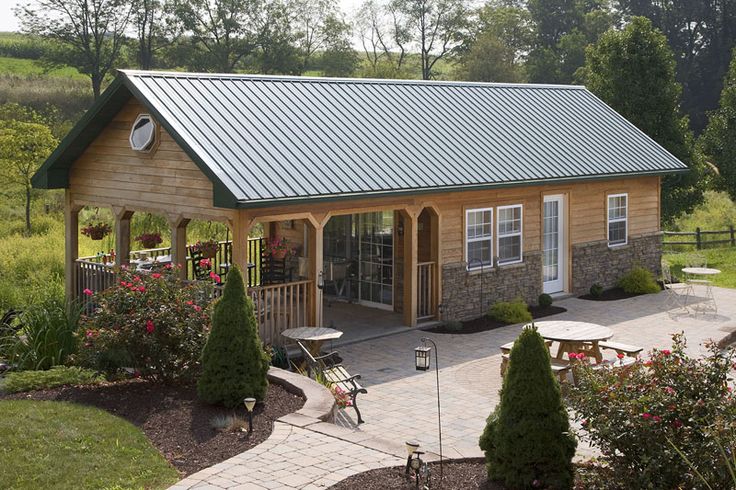
The exterior of a rustic farmhouse exudes charm and simplicity. It often features a combination of stone, wood siding, and metal roofs. The architecture is characterized by a blend of varying rooflines and asymmetrical designs, capturing the essence of a traditional farmhouse.
Front porches are an integral part of a rustic farmhouse, providing a welcoming entryway and an outdoor space for relaxation. They are often decorated with rocking chairs, porch swings, and potted plants, creating an inviting facade. Shutters and window boxes add a touch of color and character to the exterior.
Landscape elements like flower gardens, fruit trees, and vegetable patches are common in rustic farmhouse design. They reflect the agricultural roots of the farmhouse and add natural beauty to the surroundings. Stone pathways and picket fences complete the overall picture of a charming rustic farmhouse.
Furnishings and Decor
Furnishings in a rustic farmhouse embrace comfort and nostalgia. Large, plush sofas and armchairs upholstered in cozy fabrics invite you to curl up and relax. Coffee tables and side tables made from distressed wood or repurposed objects add a touch of rustic charm.
Decorative elements like vintage signs, antique mirrors, and framed botanical prints are prominent in rustic farmhouse interiors. These pieces enhance the timeless appeal of the space and reflect the owner’s appreciation for history and craftsmanship. Hand-knitted throws, woven baskets, and natural elements like dried flowers or branches bring touches of nature indoors.
Textiles play a crucial role in creating a cozy and inviting atmosphere in rustic farmhouse interiors. Plaid, floral, and gingham patterns are frequently used for curtains, bedding, and throw pillows. These patterns add visual interest and evoke a sense of warmth and nostalgia.
The Functionality of Modern Farmhouse
Aside from the aesthetic differences, the functionality of modern and rustic farmhouse designs also sets them apart. Understanding these distinctions can help you align your design preferences with your lifestyle and needs.
Modern Farmhouse: Efficiency and Technology
Modern farmhouse design prioritizes efficiency and convenience. The open floor plans and seamless integration of living spaces allow for easy movement and interaction. This layout is ideal for families who value connectivity and want to create spaces that foster togetherness.
The emphasis on natural light and the use of large windows and skylights make modern farmhouse designs energy-efficient. Natural light reduces the need for artificial lighting during the day, saving energy and creating a healthier living environment. Green building materials and energy-efficient appliances further contribute to the sustainability and efficiency of modern farmhouse homes.
Technology plays a significant role in modern farmhouse functionality. Smart home features allow homeowners to control various aspects of their homes with ease, such as lighting, temperature, and security systems. Integration of smart technology enhances convenience, comfort, and efficiency, making modern farmhouse living a seamless and enjoyable experience.
Kitchen and Bath Design
In modern farmhouse kitchens, functionality is key. The layout is designed to optimize the use of space while providing efficient work areas. High-end appliances, ample storage, and large countertops make meal preparation a breeze. Kitchen islands often serve as multifunctional spaces, providing extra seating, storage, and workspace.
Bathrooms in modern farmhouse design prioritize functionality and relaxation. Spacious showers, soaking tubs, and double vanities are common features. Built-in storage solutions, such as floating shelves and recessed cabinets, help keep the space organized and clutter-free. Smart fixtures and energy-efficient plumbing add to the overall functionality and sustainability of the bathroom.
Rustic Farmhouse: Comfort and Tradition
Rustic farmhouse designs prioritize comfort and tradition. The cozy and intimate spaces created by this design style are ideal for those who value a sense of nostalgia and an escape from the fast-paced modern world.
Rustic farmhouse kitchens are designed with functionality and tradition in mind. Farmhouse sinks, open shelves, and decorative range hoods add a touch of nostalgia while providing practical cooking and storage solutions. Vintage-inspired appliances and butcher block countertops contribute to the timeless appeal of the space.
Bathrooms in rustic farmhouse design often feature clawfoot tubs, pedestal sinks, and traditional fixtures. These elements pay homage to the past while creating tranquil and inviting sanctuaries for relaxation. Rustic materials like stone, reclaimed wood, and copper are often incorporated, adding to the warmth and character of the space.
Storage is an important aspect of rustic farmhouse functionality. Traditional cupboards, standalone cabinets, and antique armoires provide ample space for organizing and displaying essentials. Built-in window seats with hidden storage compartments and benches with drawers are also common in rustic farmhouse designs.
Modern vs. Rustic Farmhouse: Finding Your Style
Whether you lean towards the clean lines and minimalism of modern farmhouse design or the cozy charm and tradition of rustic farmhouse aesthetics, finding your style is a personal journey. Consider your lifestyle, preferences, and the overall ambiance you want to create in your home.
If you appreciate simplicity, functionality, and the integration of modern technology, the modern farmhouse style might be the perfect fit. On the other hand, if you long for the warmth, nostalgia, and character of the past, a rustic farmhouse design could be your ideal choice.
Remember, it’s not uncommon to incorporate elements from both styles to create a unique blend that reflects your individual taste. Both modern and rustic farmhouse designs offer endless opportunities for personalization and creativity, allowing you to transform your home into a haven that truly represents you.
Modern vs Rustic Farmhouse: Understanding the Distinctions
When it comes to farmhouse design, two popular styles that often emerge are modern and rustic. While they both embrace the charm and simplicity of country living, each style has distinct characteristics that set them apart.
Modern farmhouse design combines contemporary elements with traditional farmhouse aesthetics. It focuses on clean lines, minimalism, and functionality. This style often incorporates sleek materials, such as stainless steel and glass, alongside rustic accents like reclaimed wood and vintage fixtures.
Rustic farmhouse design, on the other hand, embraces a more traditional and nostalgic feel. It showcases the natural beauty of raw materials, such as aged wood and distressed finishes. This style emphasizes warmth, comfort, and a connection to nature.
Understanding the distinctions between modern and rustic farmhouse design is crucial for achieving the desired look and feel in your home. Whether you prefer a sleek and contemporary farmhouse or a cozy and nostalgic one, each style offers its own unique charm and appeal.
Key Takeaways:
- Modern farmhouse style emphasizes sleek lines and minimalist design.
- Rustic farmhouse style focuses on natural materials and a cozy, lived-in feel.
- Modern farmhouses often have open floor plans and large windows for abundant natural light.
- Rustic farmhouses feature exposed beams, weathered wood, and vintage furniture.
- Modern farmhouse color palettes are usually crisp and neutral, while rustic farmhouses embrace earth tones and warm hues.
Frequently Asked Questions
In this section, we will explore the key differences between modern and rustic farmhouse styles. Learn more about the distinct characteristics that define each style and how to incorporate them into your home design.
1. What are the main characteristics of modern farmhouse style?
Modern farmhouse style combines the sleekness of modern design with the warmth and coziness of traditional farmhouse elements. The main characteristics of modern farmhouse style include:
- Clean and simple lines
- Neutral color palette
- Mix of rustic and contemporary materials
- Open floor plans
- Minimalist decor with curated accents
The modern farmhouse style embraces natural light and emphasizes functionality and comfort. It is all about blending old and new to create a harmonious and inviting space.
2. How can I achieve a modern farmhouse look in my home?
If you want to incorporate modern farmhouse style into your home, here are some key elements to consider:
- Choose a neutral color palette, such as whites, grays, and earth tones
- Combine rustic materials like reclaimed wood with clean lines and modern finishes
- Opt for open floor plans and maximize natural light
- Incorporate farmhouse-inspired fixtures and accents, such as barn doors, shiplap walls, and farmhouse sinks
- Add cozy and inviting touches with plush textiles and comfortable furniture
Remember to strike a balance between modern and rustic elements to create a cohesive and stylish modern farmhouse look.
3. What are the key features of rustic farmhouse style?
Rustic farmhouse style exudes a charming, nostalgic vibe with its focus on organic and weathered materials. The key features of rustic farmhouse style include:
- Distressed wood and natural stone elements
- Earthy color palette with warm tones
- Cozy and inviting atmosphere
- Antique or vintage furniture and decor pieces
- Country-inspired accents, such as farmhouse sinks and exposed beams
Rustic farmhouse style celebrates the beauty of imperfections and embraces a relaxed and nostalgic ambiance.
4. How can I incorporate rustic farmhouse elements into my home?
If you want to bring rustic farmhouse style into your home, here are some key tips:
- Use reclaimed wood for flooring, accent walls, or furniture
- Choose warm and earthy color palettes
- Opt for cozy and comfortable furniture
- Add vintage or antique pieces for a touch of nostalgia
- Include natural textures like burlap, linen, or jute in your decor
By incorporating these rustic farmhouse elements, you can create a charming and inviting space that reflects the simplicity and beauty of rural living.
5. Can modern farmhouse and rustic farmhouse styles be combined?
Yes, modern farmhouse and rustic farmhouse styles can be combined to create a unique and personalized home design. By blending the clean lines and contemporary elements of modern farmhouse style with the organic textures and warmth of rustic farmhouse style, you can achieve a harmonious and balanced look.
Consider incorporating modern farmhouse elements like open floor plans and minimalist decor, while adding rustic farmhouse touches such as distressed wood accents or vintage-inspired furniture. Experiment with different combinations to find the perfect blend that suits your personal style and preferences.
In conclusion, understanding the distinctions between modern and rustic farmhouse styles is essential when it comes to interior design. Each style has its own unique characteristics that can greatly influence the overall look and feel of a space.
Modern farmhouse design embodies clean lines, simplicity, and a blend of traditional and contemporary elements. It focuses on functionality and incorporates sleek materials and minimalistic decor. On the other hand, rustic farmhouse style embraces a more cozy and traditional feel, with natural materials, distressed finishes, and a warm color palette.