Budgeting For Your Pole Barn House: Cost Estimates
In this article
When it comes to building your pole barn house, one crucial aspect is budgeting for the project. Did you know that the cost estimates for a pole barn house can vary significantly depending on factors such as size, location, and materials used? It’s important to have a clear understanding of the potential costs involved to ensure that your budget aligns with your expectations.
When budgeting for your pole barn house, it’s essential to consider both the upfront costs and long-term expenses. While pole barn houses are generally more cost-effective than traditional homes, it’s still crucial to factor in variables such as foundation, insulation, siding, roofing, and interior finishes. By carefully assessing your needs and working with a professional contractor, you can develop a realistic budget and make informed decisions to ensure your pole barn house meets your expectations without breaking the bank.
When budgeting for your pole barn house, it’s crucial to consider the cost estimates involved. Factors such as the size of the house, materials used, and additional features can impact the overall cost. It’s important to consult with professionals who specialize in pole barn construction to get accurate estimates. They can help you understand the costs of different elements like foundation, framing, roofing, and finishing. By planning ahead and getting detailed cost estimates, you can ensure that your budget aligns with your desired pole barn house.
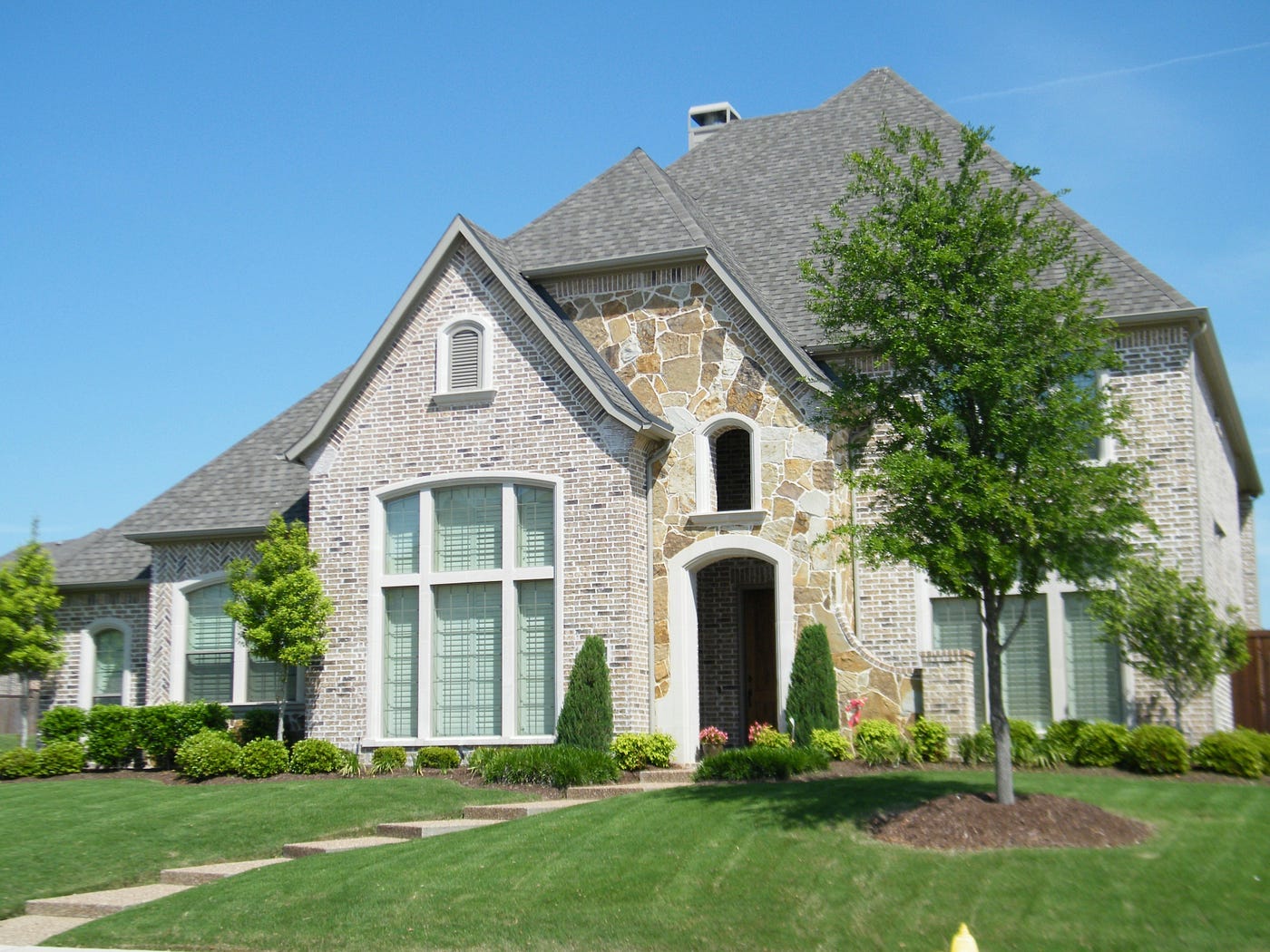
Factors to Consider when Budgeting for Your Pole Barn House
When planning to build a pole barn house, accurate budgeting is essential to ensure that your project stays within your financial means. Cost estimates for pole barn houses can vary depending on several factors. By considering these factors and creating a comprehensive budget, you can avoid unexpected expenses and ensure that your dream home becomes a reality. Here are some key factors to consider when budgeting for your pole barn house:
1. Size and Design of the Pole Barn House
The size and design of your pole barn house play a significant role in determining the overall cost. Larger houses typically require more materials and labor, leading to higher costs. Additionally, more intricate designs with complex rooflines or multiple stories can also increase the budget. When budgeting for your pole barn house, consider the square footage, number of rooms, and any additional features you want to include, such as porches, garages, or workshops.
It is important to consult with an architect or a design professional to get accurate estimates based on your specific design requirements. They can provide guidance on cost-saving measures and help you determine the best design options within your budget.
Another factor to consider is the quality of materials you choose. Opting for higher-quality materials will often come with a higher price tag, but they can provide better durability and longevity, saving you money on future maintenance and repairs.
- Factors impacting cost:
- Size of the house
- Design complexity
- Number of rooms
- Additional features (porches, garages, workshops)
- Quality of materials chosen
2. Site Preparation and Foundation
Proper site preparation and foundation are crucial for the stability and longevity of your pole barn house. The cost of site preparation can vary depending on factors such as the condition of the land, the need for tree removal, and the topography of the site. If your site requires extensive grading or clearing, it can significantly impact your budget.
The type of foundation chosen is also a factor to consider. There are different types of foundations available for pole barn houses, including concrete slabs, crawl spaces, and full basements. Each option has varying costs, with full basements generally being the most expensive.
It is essential to consult with a professional contractor or engineer to assess your site and determine the best foundation option based on your soil conditions and budget. They can provide you with accurate estimates for site preparation and foundation costs.
- Factors impacting cost:
- Site conditions (grading, tree removal)
- Type of foundation chosen
3. Material and Labor Costs
The cost of materials and labor will have a significant impact on your pole barn house budget. The materials needed for a pole barn house include posts, trusses, roofing materials, siding, insulation, doors, and windows. The price of these materials can vary depending on the quality, supplier, and location.
Labor costs will also vary depending on factors such as the complexity of the design, the size of the house, and the experience of the workers. It is crucial to hire reputable contractors or builders who have experience in constructing pole barn houses.
Obtaining multiple quotes from different suppliers and contractors can help you compare prices and choose the most cost-effective options. However, it is important not to compromise quality for cost savings. Hiring skilled professionals and using high-quality materials will ensure the longevity and structural integrity of your pole barn house.
- Factors impacting cost:
- Material quality and prices
- Labor costs
4. Permits and Legal Requirements
Before starting construction on your pole barn house, it is essential to obtain the necessary permits and comply with local building codes and regulations. The cost of permits can vary depending on your location and the specific requirements for your project.
Working with a professional architect or designer who is familiar with the local building codes can help ensure that your plans comply with all the necessary regulations. They can guide you through the permitting process and help you estimate the costs associated with obtaining the required permits.
Additionally, it is important to consider any other legal requirements that may apply to your pole barn house. This may include factors such as homeowners’ association rules, environmental impact assessments, or historic district regulations. These requirements can impact your overall budget, so it is crucial to research and understand them before starting your project.
- Factors impacting cost:
- Permit fees
- Compliance with building codes and regulations
- Other legal requirements (homeowners’ association, environmental impact assessments, historic district regulations)
Additional Considerations for Budgeting
In addition to the factors mentioned above, here are some additional considerations to keep in mind when budgeting for your pole barn house:
1. Timeline and Project Management
Consider the timeline for your construction project and factor in any potential delays or unforeseen circumstances that may impact the budget. Effective project management and regular communication with your contractors can help minimize unexpected expenses.
2. Utility Connections
Budget for the cost of connecting your pole barn house to utilities such as electricity, water, and sewer. This may involve trenching, installing pipes, and wiring, which should be factored into your budget.
3. Insurance and Taxes
Include the cost of homeowners insurance and property taxes in your budget. The exact amount will depend on the value of your pole barn house and your location.
It is advisable to consult with an insurance agent and tax professional to understand the potential costs associated with insuring and owning a pole barn house.
4. Contingency Fund
Finally, it is essential to allocate a contingency fund in your budget. It can help cover unexpected expenses or changes during the construction process. Typically, setting aside 10-15% of your total budget for contingencies is recommended.
By considering these factors and budgeting for your pole barn house accordingly, you can ensure a smoother construction process and avoid any financial surprises along the way. Remember to consult with professionals who can provide accurate cost estimates based on your specific requirements and location.
Budgeting for Your Pole Barn House: Cost Estimates
When it comes to building a pole barn house, budgeting is an essential step. Properly estimating the cost of your project ensures you have the financial means to complete construction and avoid any unforeseen financial stress. Here are some key factors to consider:
- Size and design of the pole barn: The larger and more complex the design, the higher the cost.
- Location and site preparation: The cost can vary depending on the accessibility of the site, soil conditions, and any needed excavation work.
- Materials used: Choosing high-quality materials will increase the overall cost. Consider factors such as insulation, roofing materials, and finishes.
- Permits and codes: Ensure you include the cost of permits and inspections required by local building authorities.
- Labor and contractor fees: Hiring a professional contractor will add to the overall cost, but ensure a higher-quality and more efficient construction process.
- Additional features: Consider any additional features you want to include in your pole barn house, such as windows, doors, or a porch.
It is important to reach out to multiple contractors and suppliers to get accurate cost estimates for your pole barn house project. Taking the time to research and gather quotes will help you create a realistic budget and avoid any major financial surprises. Remember to also factor in potential unforeseen expenses and a contingency budget to cover unexpected costs. By being thorough in your budgeting process, you can ensure a smooth and successful construction project.
Key Takeaways:
- Planning and budgeting are crucial steps before building a pole barn house.
- Estimate costs by considering factors such as size, materials, and labor.
- Research local building codes and permits to ensure compliance.
- Consider additional expenses such as site preparation and utility connections.
- Consult with professionals to get accurate cost estimates and avoid overspending.
Frequently Asked Questions
Budgeting for your pole barn house is an essential step in the planning process. To help you make informed decisions, here are answers to some commonly asked questions about cost estimates:
1. How much does a pole barn house typically cost?
The cost of a pole barn house can vary depending on several factors, including the size of the house, the type of materials used, and the level of customization. On average, the cost can range from $20 to $50 per square foot.
However, it’s important to note that this estimate doesn’t include other expenses such as land acquisition, permits, and interior finishes. It’s best to consult with a contractor or builder to get a more accurate cost estimate based on your specific needs and requirements.
2. What factors can influence the cost of a pole barn house?
Several factors can impact the overall cost of a pole barn house. These include:
– Size and layout: Larger houses will generally cost more than smaller ones, and a more complex layout can also add to the cost.
– Materials: The choice of materials, such as the type of siding, roofing, and insulation, can affect the cost. Higher quality or more specialized materials may come with a higher price tag.
– Features and finishes: Additional features like windows, doors, plumbing, electrical systems, and interior finishes can all contribute to the overall cost.
3. Are there any ways to save money on building a pole barn house?
Yes, there are several ways to save money on building a pole barn house:
– DIY: If you have the necessary skills and knowledge, you can save money by taking on some of the construction work yourself. However, it’s crucial to be realistic about your capabilities and consult professionals for more complex tasks.
– Material choices: Opting for cost-effective materials that still meet your requirements can help reduce expenses. Researching and comparing prices from different suppliers can also lead to savings.
– Simplify the design: A more straightforward and streamlined design can help minimize material and labor costs. Avoid overly complex architectural features and stick to a practical layout.
4. Should I hire a contractor for my pole barn house project?
Hiring a contractor for your pole barn house project is highly recommended. A professional contractor has the necessary knowledge, experience, and resources to ensure the construction process is smooth and meets all relevant building codes and regulations.
A contractor can also help with obtaining the necessary permits, coordinating subcontractors, and managing the overall project timeline and budget. They can provide valuable advice and guidance throughout the entire process.
5. How long does it typically take to build a pole barn house?
The time it takes to build a pole barn house can vary depending on several factors, including the size of the house, complexity of the design, weather conditions, and availability of labor and materials. On average, the construction process can take anywhere from a few months to a year.
It’s important to have a realistic timeline in mind and to work closely with your contractor to ensure a smooth and efficient construction process.
As we wrap up our discussion on budgeting for your pole barn house, it’s important to keep in mind the key takeaways. First and foremost, understand that the cost of building a pole barn house can vary greatly depending on a variety of factors, including the size, design, materials, and location. It’s crucial to do thorough research and gather multiple cost estimates from different contractors or suppliers to get a realistic understanding of the expenses involved.
Additionally, remember to budget for both the construction of the pole barn house itself and the associated costs such as permits, foundation work, utilities, and interior finishes. Being aware of these additional expenses can help you create a more accurate budget and avoid any unforeseen financial challenges.