Barndominium Vs House: Understanding The Key Differences
In this article
When it comes to choosing a place to call home, the decision between a barndominium and a traditional house can be a difficult one. The differences between these two types of homes are vast and can greatly impact your lifestyle and budget. So, what exactly sets them apart?
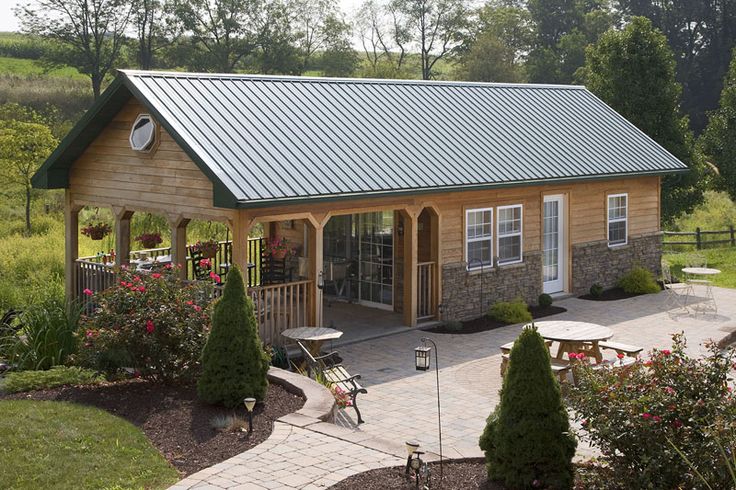
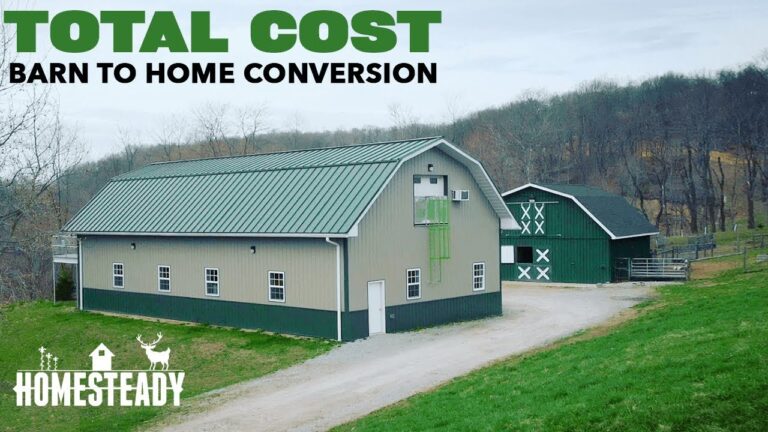
Barndominiums, also known as barn homes, are a unique and increasingly popular housing option. They combine the rustic charm of a barn with the comfort and functionality of a modern home. These structures originated from the need for additional space on farms and ranches, but they have now evolved into stylish and customizable dwellings. In fact, a recent survey found that barndominium construction has increased by 200% over the past decade, highlighting the growing interest in this type of housing. With their open floor plans and large, versatile spaces, barndominiums offer homeowners the opportunity to live in a one-of-a-kind space that perfectly suits their needs.
When comparing a barndominium to a traditional house, there are several key differences to consider. Barndominiums are typically made from metal, offer open floor plans, and are less expensive to build. On the other hand, houses are often constructed with more traditional materials such as brick or wood, feature defined rooms, and generally have higher resale value. Understanding these distinctions can help you decide which option is best suited to your needs and preferences.

Barndominium vs House: Which is Right for You?
When it comes to choosing your dream home, you may find yourself torn between a traditional house and a trendy alternative known as a barndominium. While both options offer the opportunity to create a comfortable living space, there are important differences to consider. In this article, we will explore the key differences between barndominiums and houses to help you make an informed decision.
1. Construction and Design
The construction and design of barndominiums and houses vary significantly. Traditional houses are typically built using conventional methods, such as wood or brick framing, while barndominiums are constructed using metal frames and walls.
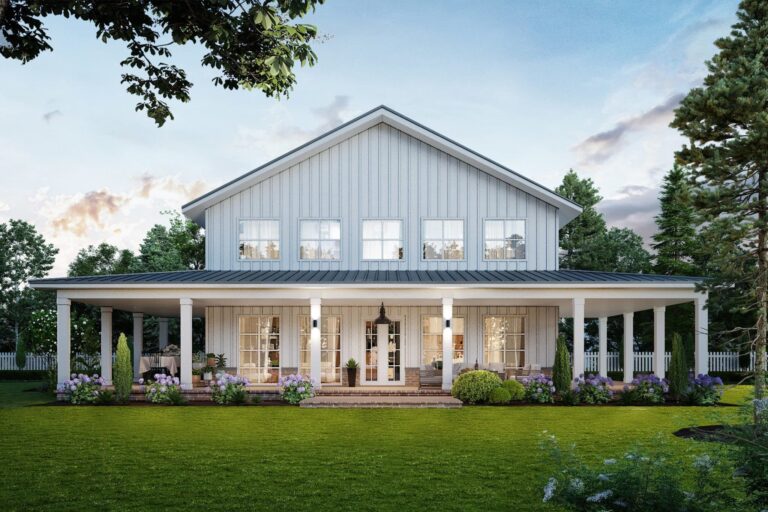
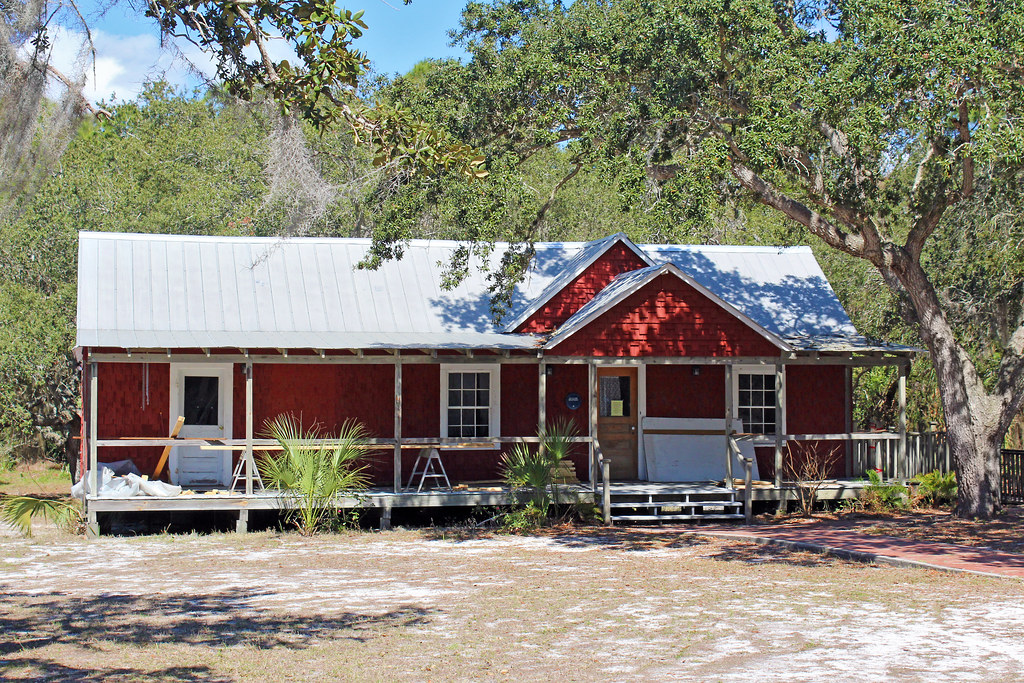
Barndominiums often have a more rustic and industrial aesthetic due to their metal construction. They are often inspired by barns or warehouses and may have tall ceilings, open floor plans, and large windows. On the other hand, houses offer a more traditional and varied range of architectural styles, such as Victorian, Colonial, or Modern.
Another key difference lies in the flexibility of design. Barndominiums can be customized with various interior finishes, such as hardwood floors, exposed beams, and modern fixtures, to create a unique look. Houses also offer customization options, but they generally involve more extensive remodeling or renovations.
Overall, the construction and design of barndominiums and houses give each a distinct character. It ultimately depends on your personal taste and the aesthetic you want to achieve in your home.
1.1 Construction Materials
In terms of construction materials, barndominiums utilize metal frames and walls, which provide durability and resistance to pests and natural elements. This makes them low-maintenance and long-lasting compared to houses that may require regular maintenance, such as repainting, replacing siding, or repairing wood rot.
On the other hand, houses offer more versatility in terms of material choices. While wood framing is common, houses can be constructed using different materials, including brick, stone, concrete, or a combination of these. These options allow for a wider range of architectural styles and design possibilities.
Consider your location and climate when choosing between a barndominium and a house. If you live in an area prone to extreme weather conditions or natural disasters, a barndominium’s metal construction may offer better protection. However, if you prefer the aesthetic and flexibility that comes with a wider range of construction materials, a house may be the better choice.
2. Cost
Cost is a significant factor to consider when comparing barndominiums and houses. Barndominiums are generally more affordable than traditional houses, primarily due to their simpler construction and lower material costs. The use of metal frames and walls reduces labor and material expenses.
Moreover, barndominiums often come with pre-engineered kits, making the construction process quicker and more efficient. This can lead to further cost savings. However, it’s important to note that the total cost of a barndominium will depend on factors such as the size of the structure, level of customization, and additional features.
On the other hand, houses generally have higher initial costs due to the complexity of their construction and design. The use of different materials and the need for more specialized labor can contribute to increased expenses. Additionally, houses may require additional costs for permits, architectural plans, and landscaping.
2.1 Long-Term Maintenance
When considering cost, it’s also essential to factor in long-term maintenance expenses. Barndominiums often require less maintenance compared to houses. The metal construction is resistant to pests, rot, and fire, resulting in fewer maintenance requirements and lower maintenance costs over time.
Houses, on the other hand, may require regular upkeep, such as repainting, roof repairs, or replacing aging components. The choice of construction materials and the climate of your area can also impact the frequency and cost of maintenance. It’s important to consider these ongoing expenses when determining the overall cost of homeownership.
When it comes to cost, barndominiums offer a more budget-friendly option upfront and in terms of long-term maintenance. However, it’s vital to consider both the initial investment and the ongoing costs to make an informed decision.
3. Size and Space
The size and space available in a barndominium versus a house can also vary significantly. Barndominiums typically offer more open floor plans and larger interior spaces due to their metal construction, which allows for wider spans without the need for supporting walls.
This open concept design can provide a sense of spaciousness and flexibility in configuring interior layouts. It also allows for more natural light to enter the living spaces through large windows or skylights. However, it’s important to note that the layout and size of a barndominium can be customized based on individual preferences and needs.
In contrast, houses may have more defined rooms and walls, creating a more traditional layout. While houses can also offer ample space, the interior design and layout options may be more limited compared to barndominiums. Renovations or modifications may be necessary to achieve a more open concept design.
3.1 Outdoor Space
Consider the importance of outdoor space when deciding between a barndominium and a house. Barndominiums typically offer larger outdoor areas, such as barn-style garages, workshop spaces, or covered porches. These additional spaces can be beneficial for those looking for storage options or dedicated areas for hobbies or recreational activities.
Houses, on the other hand, may have smaller yards or limited outdoor structures depending on the size and location of the property. However, the availability of outdoor space can also depend on individual property choices, such as lots or acreage.
When considering your lifestyle and preferences for indoor and outdoor space, both barndominiums and houses offer opportunities, but the specific needs and desires will dictate the better choice.
4. Flexibility and Future Modifications
Flexibility and the potential for future modifications are important considerations when choosing between a barndominium and a house. Barndominiums often offer more flexibility in terms of modifications and renovations due to their open floor plans and customizable interior finishes.
As your needs or preferences change over time, barndominiums can easily be modified to accommodate new layouts or additions. This flexibility allows you to adapt the space to your evolving lifestyle without major structural changes.
On the other hand, houses may have more constraints when it comes to modifications. Structural changes or additions to a house may require additional permits, architectural plans, or consultation with professionals. While modifications are still possible, they may involve more time and expense compared to barndominiums.
4.1 Resale Value
Resale value is an important consideration, particularly if you plan to sell your property in the future. Houses tend to have a higher resale value compared to barndominiums due to their established market and wider appeal among buyers.
Although barndominiums are gaining popularity, they may have a more limited market and appeal to a niche group of buyers seeking a unique and alternative living space. The resale value of a barndominium may be influenced by factors such as location, customization, and demand in the area.
Ultimately, it’s important to consider the long-term implications of your choice and assess how it may impact the future saleability of your property.
Barndominium vs House: Which is Right for You? (Continued)
As we continue exploring the differences between barndominiums and houses, another crucial aspect to consider is the susceptibility to damage and maintenance associated with each option.
5. Durability and Maintenance
When it comes to durability and maintenance, there are important distinctions to be made between barndominiums and houses. Barndominiums, with their metal frames and walls, are often lauded for their durability and resistance to pests, rot, and fire.
This inherent durability can lead to fewer maintenance needs and lower long-term maintenance costs for barndominium owners. Metal structures are less prone to deteriorate over time, making them a popular choice for those seeking low-maintenance housing solutions.
In contrast, houses typically require more maintenance to preserve their integrity and curb appeal. Wood-framed houses may be susceptible to rot, pests, and fire hazards without proper upkeep. Regular painting, roof inspections, and other maintenance tasks are often necessary to ensure the longevity of a house.
5.1 Climate Considerations
The climate in your region also plays a significant role in the durability and maintenance needs of both barndominiums and houses. Barndominiums can be particularly well-suited to withstand extreme weather conditions, including high winds, heavy snow, or intense heat.
Timely maintenance, such as inspecting and repairing any exposed metal surfaces, can help prevent rust and corrosion in areas with high humidity. Additionally, insulation and HVAC systems can be installed to improve energy efficiency and maintain a comfortable living environment inside a barndominium.
Houses, on the other hand, require careful consideration of materials and maintenance practices based on climate. Regions prone to heavy rainfall may necessitate proper waterproofing measures, and areas with extreme temperatures may require adequate insulation and energy-efficient windows.
Before making a decision, assess the climate in your area and the specific maintenance needs associated with each option to ensure your chosen home can withstand the elements.
In conclusion, when comparing barndominiums and houses, several factors need to be taken into account, including construction and design, cost, size and space, flexibility, and susceptibility to damage and maintenance. By carefully considering these aspects in relation to your personal preferences, lifestyle, and budget, you can make an informed decision about whether a barndominium or a traditional house is the right choice for you.
Barndominium vs House: Understanding the Key Differences
When it comes to choosing a place to live, the decision between a barndominium and a house can be challenging. Both options have their advantages and disadvantages, and understanding the key differences is crucial in making an informed choice.
Firstly, a barndominium is a type of living space that combines a barn and a condominium. It typically offers more open space and can be customized to suit individual needs. On the other hand, a house is a traditional residential structure built for living purposes, providing separate rooms and defined living spaces.
Secondly, the construction materials differ between a barndominium and a house. Barndominiums are usually made of steel or metal, making them sturdy and durable. Houses, on the other hand, are commonly constructed with wood or brick.
Thirdly, the cost of building a barndominium and a house varies. Barndominiums tend to be more cost-effective due to their simpler construction process and the use of less expensive materials. However, houses offer more design choices and customization options, which can increase the overall cost.
Lastly, the aesthetics and resale value also differ between a barndominium and a house. While some individuals appreciate the unique charm of a barndominium, houses are generally more appealing and have higher resale values due to their traditional design.
In conclusion, the decision between a barndominium and a house comes down to personal preferences, budget, and long-term goals. Both options have their pros and cons, and it is essential to weigh them carefully before making a choice.
Key Takeaways: Barndominium vs House – Understanding the Key Differences
- A barndominium is a metal building that combines a barn and a condominium.
- A traditional house is typically made of wood or brick and has a more conventional design.
- Barndominiums are often more cost-effective to build than traditional houses.
- Houses offer more customization options and a wider range of architectural styles.
- Barndominiums can be more energy-efficient and require less maintenance in some cases.
Frequently Asked Questions
When it comes to choosing a home, many people are considering the option of a barndominium. But how does a barndominium differ from a traditional house? Here, we answer some frequently asked questions to help you understand the key differences between a barndominium and a house.
1. What is a barndominium?
A barndominium is a type of home that blends the characteristics of a barn and a condominium. It typically features metal or steel construction with an open floor plan and large, open spaces. Barndominiums are popular for their versatility, as they can be used as both a residence and a workspace.
Barndominiums often have high ceilings, exposed beams, and a rustic aesthetic. While they are predominantly made from metal, the interior can be customized to include various finishes and materials to achieve a desired look and feel.
2. How does a barndominium differ from a traditional house?
One of the main differences between a barndominium and a traditional house is the construction material. While traditional houses are typically built with wood, brick, or concrete, barndominiums are constructed using metal or steel.
Another difference is the overall design and layout. Traditional houses often have separate rooms and defined living spaces, whereas barndominiums offer open floor plans with flexible living areas. This open concept allows for more creativity and customization when it comes to designing the interior space.
3. Are barndominiums more affordable than houses?
In general, barndominiums tend to be more affordable than traditional houses. The cost of construction for a barndominium is often lower due to the use of metal or steel materials, which are typically less expensive than wood or brick.
Additionally, barndominiums can be more cost-effective in terms of maintenance and energy efficiency. The metal construction of a barndominium is durable and requires less upkeep compared to traditional building materials. The open design of a barndominium also allows for better natural light and airflow, potentially reducing energy consumption.
4. Can a barndominium be converted into a traditional house?
Yes, a barndominium can be converted into a traditional house if desired. The metal structure of a barndominium allows for easy modification and customization. By adding insulation, interior walls, and other traditional house elements, a barndominium can be transformed into a more traditional living space.
However, it’s important to consider the costs and feasibility of such a conversion. Converting a barndominium into a traditional house may require additional construction and renovation work, which can add to the overall expenses.
5. Are there any zoning restrictions for building a barndominium?
Zoning restrictions for building a barndominium may vary depending on the location and local regulations. Some areas may have specific requirements or limitations when it comes to building structures that blend residential and agricultural or commercial elements.
Before planning to build a barndominium, it’s important to research and consult with local authorities or zoning departments to ensure compliance with applicable rules and regulations.
So, in summary, barndominiums and houses may seem similar, but they have distinct differences that should be considered when making a choice. Barndominiums offer a unique blend of rustic charm and versatility, with the ability to customize the space according to your needs. They are usually more cost-effective and easier to build, making them an attractive option for those seeking a budget-friendly and efficient living solution.
On the other hand, houses provide a traditional and established living environment. They offer more design options, greater privacy, and are generally associated with a higher resale value. Houses also tend to provide better insulation and soundproofing compared to barndominiums.