Building A Legacy: Multi-Family Compound House Plans
In this article
Building a Legacy: Multi-Family Compound House Plans offer a unique solution for families looking to create a lasting impact. Whether it’s for future generations or simply to create a close-knit community, these house plans provide a way to build a legacy that goes beyond a single home.
With the rising cost of living and the desire for multi-generational living arrangements, multi-family compound house plans have gained popularity. These plans not only provide separate living spaces for different families but also offer shared amenities and spaces for communal activities. By incorporating elements of privacy and togetherness, multi-family compound house plans allow families to create a sense of unity while maintaining individuality.
Discover the perfect multi-family compound house plans to build a lasting legacy. These plans offer a harmonious blend of privacy and communal living, with separate living spaces for multiple families. You can find designs that include shared amenities like expansive yards, swimming pools, and recreation areas, fostering a sense of community. Whether you’re looking to create a family retreat or an investment opportunity, these multi-family compound house plans are the key to building a lasting legacy.
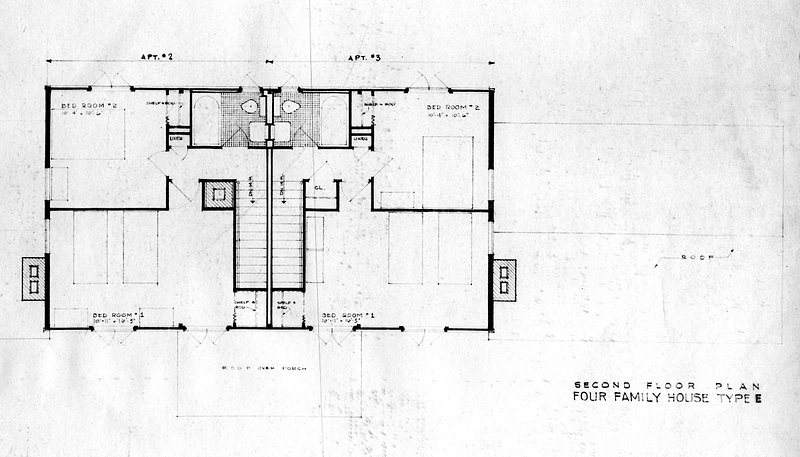
Designing a Multi-Family Compound: A Testament to Legacy
Building a multi-family compound is not just about creating a functional living space, but it is also about leaving a lasting legacy for generations to come. This unique approach to housing brings together multiple families under one roof, fostering a sense of togetherness and shared experiences. Whether it is for extended families, close-knit communities, or even as an investment property, multi-family compound house plans provide a remarkable opportunity for creating a lasting impact. Let’s explore the various aspects and considerations involved in designing a multi-family compound that stands the test of time.
Integrating Private and Shared Spaces
One of the key considerations when designing a multi-family compound is finding the right balance between private and shared spaces. Each family needs their own designated areas where they can retreat and enjoy privacy, such as bedrooms, bathrooms, and smaller living spaces. On the other hand, shared spaces are crucial for fostering a sense of community, allowing families to come together, socialize, and create memories. These shared spaces may include larger living areas, dining rooms, outdoor spaces like gardens or patios. Striking a harmonious balance between private and shared spaces is essential to ensure that each family feels a sense of ownership and belonging within the compound.
Another important aspect is to consider the specific needs and preferences of each family living in the compound. Taking into account factors like the number of family members, age groups, and lifestyle choices can help in determining the appropriate allocation of spaces. Providing separate but interconnected living units that cater to individual family sizes and lifestyles can create a cohesive yet adaptable living environment.
Moreover, incorporating communal areas like recreation rooms, shared kitchens, or even a gym can further enhance the overall living experience within the multi-family compound. These spaces encourage interaction and bonding among families, fostering a strong sense of community and shared responsibility.
Creating a Welcoming Entrance
The entrance of a multi-family compound plays a pivotal role in setting the tone for the entire living experience. It serves as the first impression and welcomes residents and visitors alike. When designing the entrance, it is essential to prioritize functionality, aesthetics, and security.
Start by considering the number of families living in the compound and determine the best way to facilitate smooth and convenient access for everyone. This may involve separate entrances for each family, a centralized main entrance, or a combination of both. The layout should ensure easy navigation and a sense of privacy for each family, while still maintaining a welcoming ambiance.
The design of the entrance should also reflect the overall architectural style and provide a glimpse into the character of the compound. Incorporating elements like landscaping, well-designed pathways, and attractive facades can create a visually appealing and inviting entryway.
Lastly, security is of utmost importance when it comes to the entrance. Implementing measures like gated entry, intercom systems, or surveillance cameras can help ensure the safety and peace of mind for all residents. Strike the right balance between aesthetics and security to create an entrance that radiates warmth and safety.
Functional and Versatile Floor Plans
Choosing the right floor plans for a multi-family compound is crucial to maximize space utilization and provide flexibility for future changes and adaptations. The floor plans should be designed with functionality, comfort, and convenience in mind.
Consider incorporating open floor plans for shared living areas, as they promote a sense of spaciousness and facilitate easy communication and interaction between families. This layout also offers flexibility in terms of furniture arrangement and allows for the seamless flow of activities. Additionally, open floor plans provide ample opportunities for natural light to permeate through the space, creating a bright and inviting atmosphere.
When it comes to individual living units, prioritize the inclusion of essential amenities like kitchens, bathrooms, and storage spaces. Ensure that the floor plans optimize space usage and provide ample storage options for each family. Flexibility is key, as the needs of families may change over time. Consider incorporating multi-purpose rooms that can serve as home offices, guest rooms, or additional living areas to accommodate evolving needs.
Furthermore, accessibility is an important factor to consider, especially for families with elderly or physically challenged members. Incorporating features like wider doorways, ramps, and grab bars can contribute to creating a safe and inclusive living environment for all residents.
Outdoor Spaces: Respite and Recreation
An integral part of any multi-family compound is the outdoor spaces that provide opportunities for relaxation, recreation, and connection with nature. These areas can become havens for residents to unwind, engage in activities, and create cherished memories.
Consider designing outdoor spaces that cater to various needs and preferences. This may include a central courtyard or garden where families can gather for outdoor meals, games, or simply enjoying the fresh air. If space permits, individual backyard areas or rooftop gardens can provide each family with a private outdoor retreat.
Integrating elements like walking paths, seating areas, and even water features can further enhance the outdoor experience within the compound. These additions create opportunities for residents to connect with nature, promote wellness, and foster a sense of tranquility.
Sustainability and Efficiency
Designing a multi-family compound with sustainability and energy efficiency in mind is not only beneficial for the environment but also for reducing long-term operating costs. Incorporating eco-friendly features and practices can significantly enhance the overall value and appeal of the compound.
Consider integrating renewable energy sources like solar panels to harness clean and renewable power. This can help reduce reliance on traditional energy sources and decrease utility bills. Additionally, implementing energy-efficient appliances, LED lighting, and proper insulation can contribute to minimizing energy consumption.
Water conservation is another important aspect to consider. Incorporate water-saving fixtures, rainwater harvesting systems, and efficient irrigation methods to reduce water wastage. Creating well-designed landscaping that utilizes drought-resistant plants can also help minimize water usage while enhancing the overall aesthetics of the compound.
Furthermore, incorporating sustainable materials and construction techniques can contribute to the long-term durability and environmental friendliness of the compound. Utilize recycled, locally sourced materials whenever possible and prioritize designs that optimize natural ventilation and daylighting to reduce the need for artificial heating and cooling.
Investing in a Legacy
A multi-family compound can serve as a long-lasting investment, allowing families to create a legacy that spans generations. The careful consideration of design elements, functionality, and aesthetics ensures that the compound not only meets the immediate needs of its residents but also adapts to future changes.
By creating a welcoming entrance, incorporating private and shared spaces, designing versatile floor plans, integrating appealing outdoor areas, and focusing on sustainability, a multi-family compound becomes an embodiment of legacy. It provides an environment where families can flourish, create bonds, and pass down memories and experiences to future generations.
Building a multi-family compound is more than just constructing a physical space. It is about building a lasting testament to the values and aspirations of a family, community, or even an investment opportunity. With thoughtful planning and a holistic approach, a multi-family compound can become a beacon of unity, togetherness, and a source of pride for generations to come.
Building a Legacy: Multi-Family Compound House Plans
Creating a multi-family compound provides a unique opportunity for families to establish a lasting legacy. These comprehensive house plans are designed to accommodate multiple households on one property, promoting intergenerational living, close-knit communities, and shared resources. With the right architectural layout, a multi-family compound can offer privacy and autonomy for each family while fostering a sense of unity.
Multi-family compounds often include individual residences with separate living spaces, as well as shared common areas such as gardens, recreational spaces, or gathering spots. The layouts can range from duplexes or triplexes to more elaborate designs with multiple buildings or cottages. These plans have become increasingly popular as families recognize the benefits of consolidating their resources and building a sustainable future together.
In addition to creating a sense of community, multi-family compounds can offer significant financial advantages. Sharing the costs of land, utilities, and maintenance, families can reduce expenses and invest in shared amenities. Furthermore, multi-generational living promotes strong family bonds, provides additional support systems, and allows for the passing down of traditions, values, and wealth from one generation to another. Building a legacy through a multi-family compound ensures a lasting impact and a strong foundation for future generations.
Key Takeaways: Building a Legacy: Multi-Family Compound House Plans
- Multi-family compound house plans offer a unique housing solution for families who want to live together while maintaining their privacy.
- These plans typically include separate living spaces for each family unit, along with shared communal areas.
- The main advantage of multi-family compound house plans is the ability to create a close-knit community and build a lasting legacy.
- By sharing resources and responsibilities, families can reduce costs and create a sustainable living environment.
- Multi-generational living is becoming increasingly popular, and multi-family compound house plans provide the perfect solution for families who want to stay connected.
Frequently Asked Questions
Are you considering building a legacy with a multi-family compound house plan? Here are some frequently asked questions to guide you in the process.
1. What is a multi-family compound house plan?
A multi-family compound house plan is a type of architectural design that includes multiple dwellings on a single property. It is specifically designed to accommodate families who want to live in close proximity to each other while still maintaining separate living spaces. These plans often feature separate units with individual kitchens, bathrooms, and entrances, allowing for privacy and independence within a shared space.
The main purpose of a multi-family compound house plan is to create a cohesive and connected living environment for multiple generations or families. It allows for shared resources, shared activities, and the opportunity to build strong family bonds.
2. What are the advantages of building a multi-family compound?
Building a multi-family compound can offer numerous advantages:
1. Intergenerational Living: It allows multiple generations of a family to live together, fostering a sense of connection, support, and togetherness.
2. Shared Expenses: By sharing the cost of land and infrastructure, building a multi-family compound can be more cost-effective compared to purchasing separate properties.
3. Enhanced Security: Living in close proximity to each other provides an additional layer of security, as family members can look out for one another.
4. Flexibility: Multi-family compounds can be designed to cater to various needs, accommodating different family sizes, lifestyles, and accessibility requirements.
5. Sustainable Living: Sharing resources within a single property promotes sustainable living practices and reduces environmental impact.
3. How do I choose the right multi-family compound house plan?
Choosing the right multi-family compound house plan involves considering several factors:
1. Family Needs: Determine the number of families or individuals who will be living in the compound and their specific requirements for space, privacy, and accessibility.
2. Lot Size: Assess the available land to determine how many units can be accommodated and if there is enough space for shared amenities such as gardens, playgrounds, or common areas.
3. Design and Style: Consider the architectural style and design elements that align with your vision and aesthetic preferences.
4. Local Regulations: Familiarize yourself with local building codes and zoning regulations to ensure compliance and avoid any legal issues during the construction process.
4. What are some popular features in multi-family compound house plans?
Popular features often found in multi-family compound house plans include:
1. Separate Units: Each unit will typically have its own kitchen, living area, bedrooms, and bathrooms for individual privacy.
2. Common Spaces: Shared areas such as gardens, outdoor patios, or communal living rooms can facilitate social interactions and foster a sense of community.
3. Multiple Entrances: Each unit may have its own entrance to provide easy access and convenience for the residents.
4. Flexible Design: Multi-family compound house plans often allow for versatility in the layout, ensuring that different family sizes and configurations can be accommodated.
5. Outdoor Amenities: Features like swimming pools, play areas, or BBQ spots can enhance the quality of life within the compound.
5. How can I ensure the success of building a multi-family compound?
To ensure the success of building a multi-family compound, consider the following:
1. Planning and Communication: Thoroughly plan and communicate with all stakeholders involved, including architects, contractors, and family members.
2. Budgeting: Create a realistic budget that accounts for construction costs, permits, landscaping,
Creating a multi-family compound house plan is an excellent way to build a lasting legacy for your family. With careful planning and design, you can create a space that brings your loved ones closer together while still providing individual privacy. The flexibility and versatility of these plans allow for customizations that cater to your family’s unique needs.
By building a multi-family compound, you can foster a sense of togetherness and create lasting memories. These houses offer shared spaces where family members can come together to bond and connect, while also providing separate living units for privacy. Investing in a multi-family compound house plan is not only an investment in physical structures but also an investment in your family’s future.