Building Your Dream Home In West Virginia: A Guide
In this article
Welcome to Building Your Dream Home in West Virginia: A Guide, where we provide expert advice and insights to help you create the perfect home in the beautiful state of West Virginia. Did you know that West Virginia is known for its stunning natural landscapes, including the Appalachian Mountains and the New River Gorge? This makes it an ideal location to build your dream home, surrounded by scenic beauty and endless outdoor recreational opportunities.
When it comes to building your dream home in West Virginia, there are some important aspects to consider. One significant aspect is the rich history and culture of the state, which can be reflected in the design and architecture of your home. From traditional log cabins to modern farmhouse styles, there are endless possibilities to create a home that blends harmoniously with the surrounding environment. Additionally, West Virginia offers a variety of solutions for sustainable and energy-efficient construction, ensuring that your dream home is not only beautiful but also environmentally friendly. With our guide, you’ll discover all the essential information and resources you need to turn your vision into a reality.
Looking to build your dream home in West Virginia? Follow this step-by-step guide to make your dream a reality.
- Research and choose the perfect location for your home.
- Hire a reputable architect to design your dream home.
- Secure financing for your project.
- Obtain all necessary permits and clearances.
- Hire skilled contractors for construction.
- Monitor the construction process closely to ensure quality and adherence to your vision.
- Complete all finishing touches and move into your dream home!

Exploring the Beauty of West Virginia for Your Dream Home
When it comes to building your dream home, West Virginia offers a unique blend of natural beauty, rich history, and a welcoming community. Whether you’re envisioning a rustic cabin retreat or a modern architectural masterpiece, this guide will provide you with valuable insights and practical advice for turning your dreams into reality. From choosing the perfect location to navigating the construction process, let’s embark on a journey to creating your ideal home in the wild and wonderful state of West Virginia.
1. Selecting the Ideal Location
Surrounded by Nature: Choosing Your Setting
One of the greatest advantages of building your dream home in West Virginia is the abundance of natural beauty that surrounds you. From rolling hills to breathtaking mountain vistas and winding rivers, the state offers a diverse range of landscapes to suit every taste. Before you start drawing up plans, consider the type of environment that resonates with your vision. Are you drawn to the tranquility of a wooded area, the charm of a riverside location, or the panoramic views from a mountainside perch? Take the time to explore different regions of the state to find the perfect setting for your dream home.
Additionally, it’s important to consider the accessibility of essential amenities and services when selecting your location. While the allure of seclusion may be tempting, ensuring that you have convenient access to grocery stores, healthcare facilities, schools, and other necessities is crucial for a comfortable and convenient lifestyle.
Lastly, familiarize yourself with local zoning regulations and restrictions to ensure that you can build the home of your dreams without any obstacles. Each county in West Virginia may have specific zoning requirements that dictate factors such as minimum lot size, setback distances, and architectural guidelines. Consulting with local authorities or hiring a professional real estate agent can help you navigate the zoning regulations and make informed decisions about your dream home’s location.
West Virginia’s Charming Communities
West Virginia is known for its warm and welcoming communities, where neighbors become like family and a strong sense of belonging thrives. When considering where to build your dream home, take the time to learn about the different towns and cities in the state. Each community has its own unique character and amenities, ranging from vibrant downtown areas with cultural attractions to peaceful small towns with a focus on outdoor recreation.
If you’re looking for a lively atmosphere and a range of amenities, cities such as Charleston, Morgantown, or Huntington might be the perfect fit. These urban centers offer a variety of entertainment options, higher education institutions, and a vibrant cultural scene. On the other hand, if you prefer a more serene and close-knit community, towns like Lewisburg, Shepherdstown, or Berkeley Springs might be more appealing. These charming towns boast historic architecture, quaint downtown areas, and proximity to outdoor activities.
By immersing yourself in the different communities of West Virginia, you can find the perfect backdrop for your dream home, whether it’s in the heart of a bustling city or nestled within the tranquil countryside.
2. Designing Your Dream Home
Partnering with Architects and Designers
Designing your dream home is an exciting and creative process that requires the expertise of professionals in the field. Collaborating with architects and designers who understand your vision and can translate it into a tangible plan is essential for achieving the perfect balance of aesthetics and functionality.
Start by researching and interviewing several architects or design firms to find the right fit for your project. Look for professionals who have experience designing homes in West Virginia or similar landscapes, as they will have a deeper understanding of the unique challenges and opportunities presented by the environment. Consider their portfolio, credentials, and communication style to ensure a positive working relationship.
During the design process, be sure to communicate your needs, desires, and budget clearly to the architects or designers. They will work with you to create a comprehensive design that incorporates all the essential elements you envision for your dream home. From the layout and floor plan to the choice of materials and finishes, the architects or designers will guide you through the decision-making process and provide expert advice.
Tailoring Your Design to the West Virginia Landscape
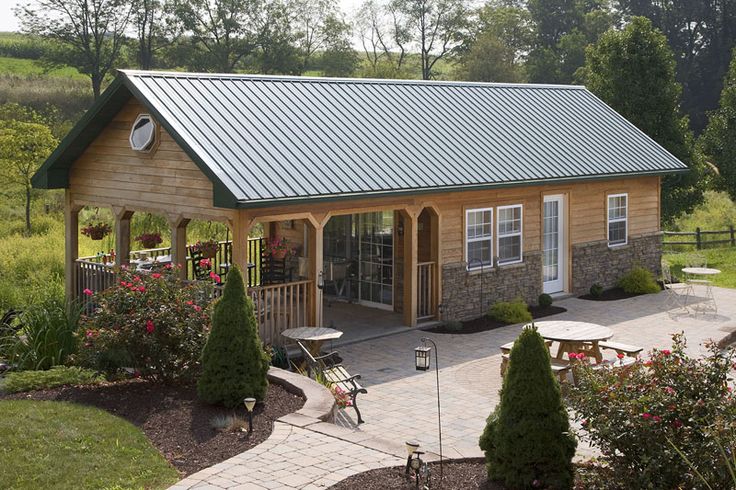
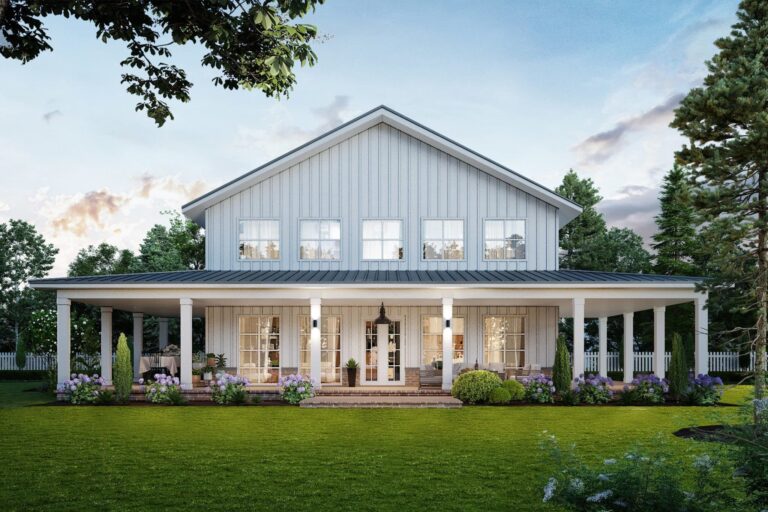
Building your dream home in West Virginia means embracing the state’s natural beauty and integrating it into your design. Take inspiration from the surrounding landscape and consider incorporating elements that reflect the region’s architectural heritage. From stone accents and wraparound porches to large windows that frame picturesque views, there are countless ways to create a home that harmonizes with the environment.
Additionally, consider the climate and weather patterns of West Virginia when designing your dream home. The state experiences all four seasons, with hot summers and cold winters. Incorporating energy-efficient features, such as proper insulation, high-quality windows, and heating and cooling systems, will not only enhance the comfort of your home but also reduce energy consumption and utility costs.
Lastly, prioritize sustainability and environmental responsibility in your design. West Virginia’s natural wonders deserve protection, and by incorporating eco-friendly features such as solar panels, rainwater harvesting systems, and native landscaping, you can minimize your home’s environmental footprint and contribute to the preservation of the state’s natural beauty.
Budgeting for Your Dream Home
As with any construction project, setting a realistic budget for your dream home in West Virginia is essential. Building costs can vary depending on factors such as the size of the home, the materials used, and the level of customization desired. Before finalizing your design plans, consult with contractors or builders to get cost estimates and ensure that your budget aligns with your vision.
It’s important to account for additional expenses beyond the construction itself, such as permits, inspections, landscaping, and interior furnishings. Setting aside a contingency fund to cover unexpected costs or design changes is also advisable. Working closely with your architect, builder, or project manager can help you navigate the financial aspects of building your dream home without compromising on quality or design.
3. Navigating the Construction Process
Hiring the Right Builder
The success of building your dream home in West Virginia largely depends on choosing a skilled and reliable builder who can bring your vision to life. Start by asking for recommendations from friends, family, or professionals in the real estate and construction industry. Research builders in the area and review their portfolios, testimonials, and certifications to ensure their expertise and credibility.
Arrange meetings with potential builders to discuss your project and gauge their understanding of your vision. Ask about their experience with similar projects, their approach to timelines and budgets, and their communication processes. Building a strong rapport and mutual trust with your builder is crucial for a smooth construction process and satisfactory results.
Once you have selected a builder, work closely with them to establish a detailed construction timeline and schedule regular meetings to monitor progress. Regular communication with your builder will help address any issues or concerns that may arise during the construction process, ensuring that your dream home is built to your satisfaction.
Ensuring Quality and Attention to Detail
When it comes to your dream home, every detail matters. Throughout the construction process, pay close attention to the quality of materials and craftsmanship. Regularly visit the construction site to inspect the progress and address any concerns promptly.
Communicate openly and honestly with your builder if you have any changes or modifications to the original design plans. Clear and effective communication will help maintain the integrity of your vision and ensure that your dream home is being built according to your expectations.
Consider hiring an independent home inspector to conduct inspections at various stages of the construction process. A professional inspector can provide unbiased feedback on the quality and compliance of the work being done, giving you peace of mind that your dream home is being built to the highest standards.
4. Making Your Dream Home a Reality
Adding the Finishing Touches
As your dream home nears completion, it’s time to focus on the finishing touches that will bring your vision to life. Work with interior designers or decorators to create a cohesive and personalized interior design that reflects your style and complements the overall aesthetic of your home.
Consider incorporating elements of West Virginia’s heritage and culture into your home’s decor. From handmade crafts by local artisans to artwork inspired by the state’s natural wonders, infusing your interior design with local influences will create a unique and meaningful space.
Pay attention to landscaping and outdoor spaces as well. West Virginia offers a wealth of opportunities to create inviting outdoor living areas, whether it’s a spacious deck for entertaining or a serene garden retreat. Make the most of the natural surroundings by incorporating native plants and environmentally-friendly landscaping practices.
Embracing the West Virginia Lifestyle
Building your dream home in West Virginia not only means creating a physical space but also embracing the unique lifestyle that the state offers. Take advantage of the abundance of outdoor activities such as hiking, fishing, skiing, and camping. Engage with the local community, attend cultural events and festivals, and explore the historical sites and natural wonders that make West Virginia truly special.
Your dream home in West Virginia is more than just a house; it’s an opportunity to immerse yourself in the beauty, culture, and warm community that the state has to offer. By carefully considering your location, designing with the landscape in mind, and navigating the construction process diligently, you can turn your dream into a reality and create a home that embodies the essence of West Virginia.
Building Your Dream Home in West Virginia: A Guide
Building your dream home in West Virginia can be an exciting and fulfilling experience. With its scenic beauty, affordable land prices, and strong sense of community, West Virginia offers the perfect backdrop for creating your dream living space. However, the process of building a home can also be daunting and complex. This guide aims to provide you with a comprehensive overview of the steps involved and the key considerations to keep in mind.
Firstly, it is crucial to define your vision and establish a clear budget. Consider your lifestyle, needs, and preferences to determine the size, style, and features of your dream home. Next, secure a suitable piece of land in West Virginia that meets your requirements and aligns with your budget. Engaging the services of a professional architect and builder will ensure that your dreams are brought to life while adhering to local building codes and regulations.
Additionally, researching and selecting the right contractors and suppliers is essential for a successful build. Obtain multiple quotes, verify references, and review portfolios to make informed decisions. During the construction phase, regular communication, site visits, and quality checks are paramount to ensure that your dream home is being built to your satisfaction. Finally, obtaining the necessary permits and inspections will ensure that your home meets all safety and legal requirements.
Building your dream home in West Virginia may be a lengthy process, but with careful planning, attention to detail, and the right professionals by your side, it can become a reality. By following this guide, you can navigate the journey of building your dream home in West Virginia with confidence and peace of mind.
Key Takeaways: Building Your Dream Home in West Virginia: A Guide
- Research building regulations and permits in West Virginia before starting your project.
- Consider the climate and natural features of West Virginia when designing your dream home.
- Work with a reputable architect or builder experienced in constructing homes in West Virginia.
- Take advantage of energy-efficient design and sustainable building practices.
- Plan for long-term maintenance and consider the resale value of your dream home.
Frequently Asked Questions
Planning to build your dream home in West Virginia? Here are some commonly asked questions to help guide you through the process.
1. What are the regulations and permits needed for building a home in West Virginia?
Building a home in West Virginia requires complying with various regulations and obtaining the necessary permits. Before starting construction, you will need to obtain a building permit from the local building department. Additionally, you may need to meet specific zoning restrictions and obtain permits for utilities such as water and sewage. It is crucial to work with a professional architect or builder who can guide you through the process and ensure compliance with all the regulations and permits.
Depending on the size and location of your home, you may also need to consider additional regulations such as environmental impact assessments or flood zone requirements. It is recommended to consult with local authorities and professionals to fully understand and comply with all the regulations and permits applicable to your specific project.
2. How do I find a reliable architect or builder for my dream home project in West Virginia?
Finding a reliable architect or builder is crucial for a successful dream home project. Here are a few steps you can follow to find the right professional in West Virginia:
1. Ask for recommendations: Reach out to friends, family, or colleagues who have recently built their homes and ask for recommendations. They can provide valuable insights and recommendations based on their personal experiences.
2. Research online: Use online platforms and directories to find architects and builders in West Virginia. Read reviews, check their previous work, and evaluate their expertise and qualifications. Look for professionals who have experience in designing and constructing homes similar to your dream house.
3. Schedule interviews: Once you have a shortlist of potential architects or builders, schedule interviews to discuss your project in detail. Ask about their past projects, certifications, and licenses. Pay attention to their communication style and whether they understand your vision for the dream home.
4. Check references: Request references from the architects or builders you are considering. Contact their previous clients and inquire about their experiences working with the professional. This will give you an idea of their professionalism, timeliness, and quality of work.
By following these steps, you can find a reliable architect or builder who will bring your dream home to life in West Virginia.
3. What factors should I consider when choosing the location for my dream home in West Virginia?
Choosing the right location for your dream home is essential for your overall satisfaction and convenience. Here are some factors to consider:
1. Proximity to amenities: Consider how close the location is to schools, hospitals, shopping centers, and other amenities that are important to you and your family.
2. Natural surroundings: West Virginia is known for its beautiful landscapes. Consider whether you prefer a mountain view, a waterfront property, or a secluded wooded area.
3. Accessibility: Evaluate the accessibility of the location. Is it easily accessible from major highways? How convenient is the commute to work or other frequently visited places?
4. Future development: Research any ongoing or planned developments in the area. Make sure the location aligns with your vision for the future and won’t be negatively impacted by future construction or changes.
5. Safety and security: Consider the crime rate and overall safety of the area. Look for neighborhoods with a low crime rate and a sense of security.
By considering these factors, you can choose a location for your dream home in West Virginia that meets your lifestyle and preferences.
4. How long does the process of building a dream home in West Virginia usually take?
The duration of the home building process in West Virginia can vary depending on several factors. Typically, it involves the following stages:
1. Planning and design: This stage involves working with an architect and designing the layout and structure of your dream home. It can take several weeks to months, depending on the complexity of the design and the number of revisions.
2. Obtaining permits and approvals: The time required to obtain
To wrap up, building your dream home in West Virginia can be an exciting and fulfilling journey. With its beautiful landscapes, friendly communities, and affordable housing options, West Virginia offers the perfect setting for your dream home. Take the time to plan and research, find a reputable builder, and consider the unique features of the area to make your dream home a reality.
Remember to consider factors such as the location, design, and budget. Prioritize your needs and desires, and work closely with professionals to ensure that your dream home aligns with your vision. Through careful planning and attention to detail, you can create a home that not only reflects your personal style but also provides a comfortable and enjoyable living space for you and your family in the majestic state of West Virginia.