Combining Durability And Space: Post Frame Houses With Basements

In this article
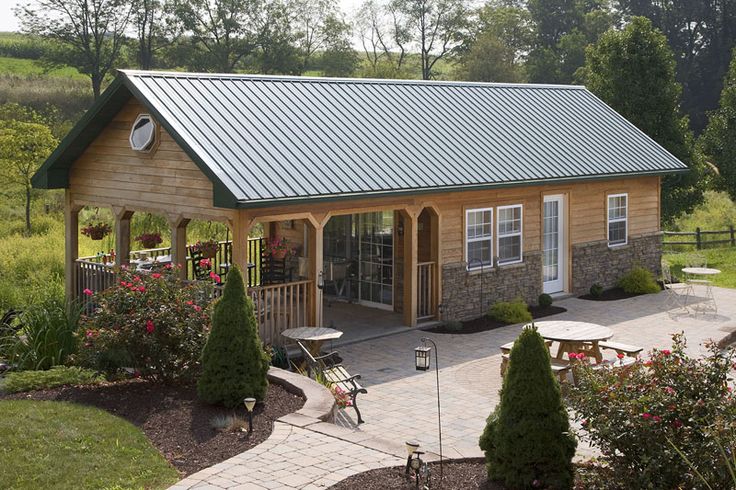
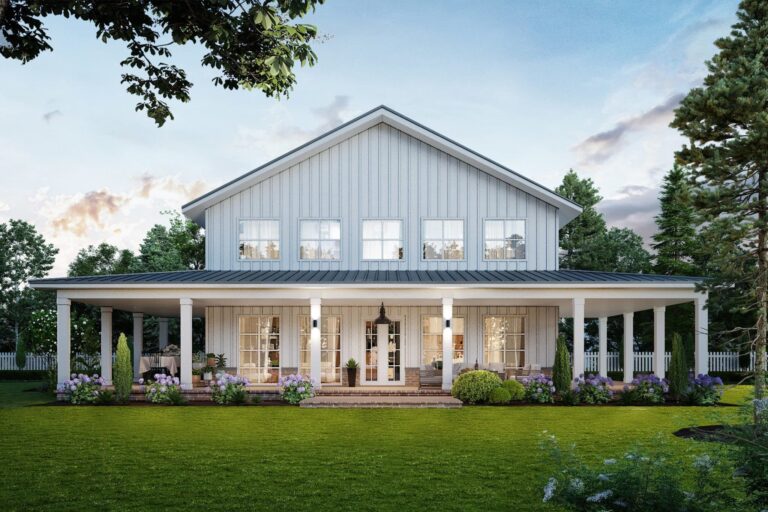
When it comes to finding the perfect combination of durability and space, post frame houses with basements offer a unique solution. These structures provide the strength and longevity of post frame construction, while also offering the added benefit of a basement for additional living or storage space. It’s a winning combination that can meet the needs of homeowners looking for a versatile and durable housing option.
Post frame houses have a long history, dating back to the early 1900s, when they were first developed as a cost-effective and efficient method of construction. The use of sturdy wooden posts as the primary structural support, combined with engineered trusses, allows for open floor plans and flexible design options. With the addition of a basement, homeowners can further maximize their living space and create a multi-functional home. In fact, studies have shown that homes with basements typically have higher resale values, making it a smart investment for homeowners. Whether it’s for additional bedrooms, a home office, or a recreational area, post frame houses with basements offer the durability and space that modern homeowners desire.
Post frame houses with basements offer a perfect combination of durability and space. With sturdy construction and the ability to accommodate a basement, these houses provide long-lasting strength and ample room for living, storage, or recreational needs. The post frame construction method uses strong wooden posts for support, making them highly resilient to extreme weather conditions. Additionally, basements in these houses offer extra space for various purposes, such as additional bedrooms, entertainment areas, or home offices. Experience the best of both durability and space with post frame houses with basements.
Durability and Space: Post Frame Houses with Basements
Introduction
Post frame houses with basements offer a unique combination of durability and space, making them an attractive option for homeowners seeking efficient and long-lasting homes. Unlike traditional stick-built houses, post frame houses utilize a construction method that involves vertical posts embedded in the ground, providing strong and sturdy support for the structure. This article explores the benefits and considerations of building post frame houses with basements, including their durability, cost-effectiveness, and potential for customization.
Durability of Post Frame Houses
One of the key advantages of post frame houses with basements is their exceptional durability. The vertical posts, typically made of pressure-treated wood or steel, provide a solid foundation that can withstand different weather conditions, including heavy winds and snow loads. The design of post frame houses allows for flexibility in their construction, making them more resilient to shifting ground and settling. Additionally, the absence of a full foundation reduces the risk of damage caused by frost heave, which can lead to cracks in traditional concrete foundations.
The use of high-quality materials, such as treated lumber and durable metal roofing, further enhances the durability of post frame houses. These materials are resistant to moisture, pests, and rot, ensuring that the structure remains solid and free from decay. Moreover, the open interior spaces provided by post frame construction allow for easy inspection and maintenance of structural components, ensuring that any issues can be addressed promptly.
In summary, post frame houses with basements offer superior durability due to their solid construction method, high-quality materials, and resistance to environmental factors. Homeowners can have peace of mind knowing that their post frame house will stand the test of time with minimal maintenance requirements.
Cost-Effectiveness of Post Frame Houses with Basements
In addition to their durability, post frame houses with basements are also cost-effective options for homeowners. The construction process of post frame houses is typically faster and more affordable compared to traditional stick-built houses. The use of vertical poles as the primary support system allows for quicker installation, reducing labor and material costs.
Furthermore, post frame houses with basements offer energy efficiency benefits, leading to long-term cost savings. The open interior spaces allow for increased insulation and effective temperature regulation, reducing heating and cooling expenses. The ability to incorporate energy-efficient windows and doors, along with proper insulation, ensures that post frame houses maintain a comfortable indoor climate year-round.
An additional cost advantage of post frame houses with basements is their potential for customization. The versatile design of post frame construction allows for various floor plans and layouts that can be tailored to meet individual needs and preferences. Homeowners have the freedom to create open-concept living spaces, add multiple levels, or incorporate unique architectural features, all of which can enhance the overall functionality and aesthetic appeal of the house.
Overall, the cost-effectiveness of post frame houses with basements makes them an attractive option for homeowners looking to build durable and customizable homes while optimizing their budget.
Design Flexibility and Space Optimization
Post frame houses with basements offer design flexibility and space optimization, making them a popular choice for homeowners who value open and versatile living areas. Due to the absence of load-bearing interior walls, post frame houses allow for customizable floor plans without constraints, providing an open canvas for creative designs.
The open interior space of post frame houses offers plenty of room for customization, allowing homeowners to utilize the space efficiently. This flexibility enables the incorporation of multi-purpose rooms, such as home offices, gym areas, or entertainment spaces. It also allows for easy remodeling and room reconfigurations in the future, adapting to changing needs and lifestyles.
Moreover, post frame houses with basements offer the opportunity for additional storage space and expansion options. The basement serves as an ideal area for storing seasonal items, equipment, or recreational gear. It can also be finished to create additional living space, such as a guest suite, playroom, or home theater.
The design flexibility and space optimization of post frame houses with basements provide homeowners with endless possibilities to create the perfect living environment that suits their unique style and functional requirements.
Alternative Uses of Post Frame Houses with Basements
Aside from serving as primary residences, post frame houses with basements have gained recognition for their suitability in various alternative uses. The durability, cost-effectiveness, and design flexibility make them ideal for different applications, such as:
- Workshops or hobby spaces
- Storage facilities for agriculture or commercial purposes
- Equestrian barns or indoor riding arenas
- Community or recreational centers
The adaptability and versatility of post frame houses with basements make them an excellent choice for various non-residential uses, catering to the specific requirements of different industries or community needs.
Considerations for Building Post Frame Houses with Basements
While post frame houses with basements offer numerous advantages, it is essential to consider certain factors before embarking on the construction process:
- Site Preparation: Adequate site preparation is crucial to ensure a stable and level base for the construction of the post frame house. Proper grading, soil compaction, and drainage should be addressed beforehand.
- Building Permits and Codes: Familiarize yourself with local building codes and regulations to ensure compliance throughout the construction process. Permit requirements may vary depending on the location and intended use of the post frame house.
- Foundation Considerations: Although post frame houses do not require a full foundation, a solid basement foundation is still necessary for stability and moisture control. Proper insulation and waterproofing measures should be implemented. Consulting with a professional engineer or builder is advisable.
Considering these factors and working with experienced professionals will help ensure a successful and efficient construction process for post frame houses with basements.
Expanding Possibilities: Post Frame Houses with Basements
Introduction
Post frame houses with basements continue to gain popularity due to their ability to combine durability, affordability, and customizable spaces. This section explores additional dimensions of post frame houses with basements, focusing on their flexibility, aesthetics, and sustainability.
Flexibility in Design and Construction
Post frame houses with basements offer unparalleled flexibility in design and construction, allowing homeowners to create unique spaces that reflect their preferences and lifestyle. The open interior layout provides the opportunity to incorporate creative elements, such as exposed structural elements or expansive windows, enhancing the architectural aesthetics of the house.
Moreover, the design flexibility extends to the exterior of post frame houses, enabling homeowners to choose from a variety of exterior finishes, including wood siding, metal panels, brick veneer, or a combination of materials. This flexibility allows for customization that complements the surrounding landscape or matches the overall architectural style desired.
Post frame construction also allows for easy adaptability and future expansion. The large column spacing allows for the addition of interior walls or changes in room configurations without the need for major structural modifications. This flexibility makes post frame houses with basements an attractive option for homeowners seeking adaptable spaces that can evolve with their changing needs.
Aesthetics and Architectural Appeal
Contrary to popular perception, post frame houses with basements offer a wide range of architectural possibilities and aesthetic appeal. With advancements in construction techniques and materials, post frame houses can seamlessly blend into various architectural styles, from modern and contemporary to rustic or traditional.
The spacious interior of post frame houses allows for dramatic vaulted ceilings, open balconies, or loft areas, creating visually appealing spaces that maximize natural light and enhance the overall living experience. The column-free design also offers the freedom to incorporate large windows and doors, which not only provide breathtaking views but also contribute to energy efficiency and a seamless indoor-outdoor connection.
Landscaping and exterior design elements can further enhance the visual appeal of post frame houses with basements. Integration of porches, decks, or outdoor living spaces can complement the design and provide additional entertaining areas or relaxation spots. The combination of architectural detailing, thoughtful landscaping, and exterior finishes contributes to the overall aesthetic appeal of post frame houses.
Sustainability and Energy Efficiency
Post frame houses with basements can also be designed and built with sustainability in mind. The environmentally friendly features and energy efficiency benefits of these houses provide homeowners with the opportunity to contribute to a greener future and reduce their carbon footprint.
The open interior space of post frame houses allows for effective insulation, minimizing heat loss and optimizing energy efficiency. Additionally, the use of renewable energy sources, such as solar panels or geothermal systems, can be easily integrated into the design of post frame houses, further reducing energy consumption and reliance on fossil fuels.
Furthermore, post frame construction typically requires fewer materials compared to traditional stick-built houses, resulting in reduced waste during the construction process. The use of sustainable materials and practices, such as responsibly sourced wood or recycled materials, further enhances the sustainability aspect of post frame houses.
By incorporating sustainable features and energy-efficient systems, post frame houses with basements offer homeowners the opportunity to create environmentally conscious homes that provide long-term cost savings and a reduced environmental impact.
Building with Consideration for the Environment
When constructing post frame houses with basements, it is crucial to consider the environmental impact and implement sustainable practices:
- Energy-Efficient Systems: Incorporate energy-efficient appliances, insulation, and HVAC systems to reduce the environmental footprint and minimize long-term energy consumption.
- Water Conservation: Opt for low-flow fixtures and consider rainwater harvesting systems to reduce water consumption and enhance sustainability.
- Renewable Energy Options: Explore the possibility of integrating renewable energy sources, such as solar panels or geothermal systems, into the design of the post frame house to increase energy efficiency and decrease reliance on non-renewable resources.
- Environmental Credentials of Materials: Select materials that have a low environmental impact, such as certified sustainable wood or recycled materials, to promote sustainable construction practices.
By prioritizing sustainable choices and incorporating environmentally friendly features, homeowners can build post frame houses with basements that align with their values and contribute to a greener future.
In conclusion, post frame houses with basements offer the perfect blend of durability, cost-effectiveness, design flexibility, and sustainability. Whether as primary residences or for alternative uses, these houses provide homeowners with spacious and customizable living spaces that can withstand the test of time. By exploring the unique aspects and expanding possibilities of post frame houses with basements, individuals can make informed decisions and create their dream homes that meet their specific needs and aspirations.
Combining Durability and Space: Post Frame Houses with Basements
In the world of construction, post frame houses have gained popularity for their durability and versatility. These structures are known for their strong and sturdy design, making them suitable for various applications. However, when it comes to space, some may argue that post frame houses may not offer enough room for homeowners’ needs. This is where the concept of post frame houses with basements comes into play.
Post frame houses with basements combine the benefits of a traditional basement with the strength and efficiency of post frame construction. By adding a basement to a post frame house, homeowners can maximize their living space without compromising on durability. The basement can serve as additional storage, a recreation area, or even extra bedrooms and bathrooms.
These houses provide the perfect solution for those who require both durability and ample space. The post frame construction ensures the structural integrity of the house, while the basement adds valuable square footage. Furthermore, the versatility of post frame construction allows for customizable floor plans, ensuring that homeowners can design their dream homes to suit their specific requirements.
Key Takeaways
- Post frame houses provide a durable and cost-effective building option.
- Basements in post frame houses allow for additional storage and living space.
- Post frame construction is known for its strength and stability.
- The versatility of post frame houses allows for customization and flexibility in design.
- Post frame houses with basements offer a unique combination of durability and space.
Frequently Asked Questions
Post frame houses with basements offer a unique combination of durability and space for homeowners. If you’re considering this type of construction, you may have some questions. Here are answers to some frequently asked questions about post frame houses with basements.1. What is a post frame house with a basement?
A post frame house with a basement is a type of construction that combines the strength and durability of a post frame building with the added living space of a basement. The main structure of the house is built using large, vertical posts set directly into the ground, providing excellent stability and strength. The basement level is then constructed beneath the main floor, offering additional usable space for various purposes.
Post frame houses with basements are particularly popular in areas with challenging soil conditions or uneven terrain, as they minimize the need for extensive excavation and foundation work. They are also known for their open floor plans and customizable designs, making them a flexible option for homeowners looking to create a unique space.
2. Are post frame houses with basements durable?
Yes, post frame houses with basements are built to be highly durable. The vertical posts used in the construction provide excellent structural support and can withstand heavy loads and extreme weather conditions. These posts are commonly made of treated wood or steel, which adds to their durability and resistance against decay, insects, and other potential threats.
In addition, the basement level of a post frame house offers extra protection against moisture and potential issues like flooding. With proper insulation and waterproofing measures, post frame houses with basements can be highly resistant to water damage, ensuring their longevity and durability over time.
3. Can post frame houses with basements be customized?
Yes, one of the key advantages of post frame houses with basements is their high degree of customization. The open floor plan and flexible design of these houses make it easy for homeowners to create their ideal living space. Whether you want to design additional bedrooms, a home office, recreational areas, or storage rooms, the basement level of a post frame house offers ample space for customization.
Furthermore, the exterior of post frame houses with basements can also be customized to match the homeowner’s preferences. From various siding options to different roof styles and finishes, there is a wide range of choices available to create a unique and personalized appearance for the house.
4. How long does it take to construct a post frame house with a basement?
The construction timeline for a post frame house with a basement can vary depending on several factors, including the size of the house and the complexity of the design. However, compared to traditional stick-built homes, post frame houses with basements generally require a shorter construction time.
On average, the construction process for a post frame house with a basement can take anywhere from a few weeks to a few months. Factors such as site preparation, obtaining necessary permits, and specific customization requests can also impact the overall timeline. Working with an experienced and efficient construction team can help ensure a smooth and timely completion of the project.
5. Are post frame houses with basements energy-efficient?
Post frame houses with basements can be designed to be energy-efficient. With the right insulation and HVAC system, these houses can effectively regulate temperature, reduce energy consumption, and lower utility bills. Additionally, the presence of a basement level can provide natural cooling during hot seasons and extra insulation during colder months.
However, it’s important to note that the energy efficiency of a post frame house with a basement will depend on various factors, including the quality of insulation, the design of the HVAC system, and the overall construction materials and methods used. Consulting with a professional builder or energy specialist can help optimize the energy efficiency of a post frame house with a basement.
Post frame houses with basements offer the perfect combination of durability and space. These unique homes are built with strong post frame construction, which provides excellent structural support and longevity. The addition of a basement adds valuable living space, allowing homeowners to maximize their square footage.
With post frame construction, these houses are designed to withstand extreme weather conditions, making them highly durable. The use of sturdy posts and engineered trusses ensures the strength and stability of the entire structure. Additionally, the basement provides additional storage space or can be finished into living areas, such as bedrooms, recreation rooms, or home offices.