| Energy efficiency |
Less traditional aesthetics |
Key Takeaways:
- Barndominiums can be more cost-effective compared to traditional houses.
- Barndominiums offer a versatile and customizable living space.
- Building a barndominium may require additional permits and inspections.
- Traditional houses offer a wider range of architectural styles and design options.
- Maintenance and energy efficiency costs should be considered when comparing costs.
Frequently Asked Questions
Here are some common questions about the cost comparison between building a barndominium and a house:
1. What is a barndominium?
A barndominium is a type of building that combines a barn with a living space. It typically features a large open area for storage or workspace and a separate section for a residential living area. Barndominiums have become popular in recent years due to their versatility and affordability.
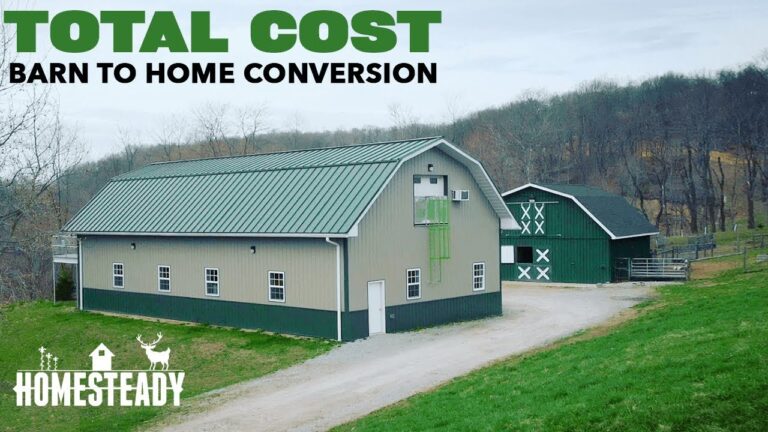
Unlike traditional houses, barndominiums often have a metal exterior and a spacious interior layout. They are commonly used as homes, vacation rentals, or even commercial spaces.
2. How does the cost of building a barndominium compare to building a house?
The cost of building a barndominium is generally lower compared to building a traditional house. This is because barndominiums usually have a simpler design and construction process, with fewer materials required. Additionally, the use of metal for the exterior can be more cost-effective than other building materials.
However, it’s important to note that the overall cost will depend on various factors such as the size, location, customization, and additional features of the barndominium. The cost of building a house can also vary greatly depending on these factors, so it’s essential to consider all aspects before making a decision.
3. Are there any drawbacks to building a barndominium?
While barndominiums offer many advantages, there are some potential drawbacks to consider. First, the metal exterior may not appeal to everyone’s aesthetic preferences. Additionally, the open layout of barndominiums may require additional planning and design to create separate rooms or designated spaces.
Furthermore, barndominiums may not be as readily accepted by certain communities or homeowner associations due to their unconventional appearance. It’s important to check local regulations and restrictions before proceeding with the construction of a barndominium.
4. What are the long-term cost savings of a barndominium?
Barndominiums can offer long-term cost savings in various ways. Firstly, their energy efficiency can be higher compared to traditional houses due to the insulation properties of metal. This can result in lower energy bills over time.
Additionally, the multi-purpose nature of barndominiums allows for cost savings in terms of land use. The combination of living space and storage/work areas can eliminate the need for separate buildings, reducing construction and maintenance costs.
5. How can I decide between building a barndominium and a house?
When deciding between a barndominium and a house, it’s important to consider your specific needs, budget, and preferences. If cost is a significant factor and you prefer a more open and versatile living space, a barndominium may be a suitable option.
However, if you value traditional aesthetics and have specific design preferences, a house might be a better choice. Additionally, if you are concerned about the potential limitations or restrictions of living in a barndominium, it’s crucial to weigh those factors as well.
After comparing the costs of building a barndominium and a traditional house, it is clear that there is a significant difference in expenses. While barndominiums offer a more cost-effective option, traditional houses tend to have higher construction costs.
However, it’s important to note that the overall cost is not the only factor to consider when deciding between a barndominium and a house. The specific needs, preferences, and long-term goals of the homeowner should also be taken into account. Ultimately, the choice between a barndominium and a house depends on finding the right balance between cost and personal requirements.
When it comes to choosing between building a barndominium and a traditional house, the cost comparison is a crucial factor to consider. Did you know that barndominiums, which are structures that combine a barn and a residence, can be significantly more cost-effective compared to building a traditional house? This innovative housing solution has gained popularity in recent years due to its affordability and versatility.
Building a barndominium offers a unique blend of history and practicality. Historically, barns were primarily used for agricultural purposes, but in recent times, they have been transformed into modern living spaces. With the ability to customize the interior design and layout, barndominiums provide a flexible and affordable alternative to traditional houses. In fact, studies have shown that building a barndominium can save homeowners up to 30% on construction costs compared to a standard home. This cost-saving benefit has made barndominiums an attractive option for those looking to build a new home.
When it comes to cost comparison, building a barndominium offers several advantages over a traditional house. Barndominiums are typically more affordable to construct, with lower labor and material costs. They also provide flexible interiors that can be customized to suit different needs. Additionally, barndominiums often have lower maintenance requirements and energy-efficient features, resulting in long-term savings. With their unique combination of functionality and cost-effectiveness, barndominiums are becoming an increasingly popular choice for homeowners.

Factors to Consider When Comparing the Cost of Building a Barndominium vs a House
When it comes to building a new home, there are several factors that homeowners should take into consideration. One of the main decisions to make is whether to build a traditional house or a barndominium. A barndominium is a unique blend of a barn and a condominium, offering the benefits of both. While the aesthetics and functionality of a barndominium can be appealing, it’s important to understand the cost implications compared to building a traditional house.
In this article, we will explore the cost comparison between building a barndominium and a house, highlighting the various factors that contribute to the overall expenses. Understanding these factors can help homeowners make an informed decision based on their budget, needs, and preferences.
Land and Location
The first factor to consider when comparing the cost of building a barndominium versus a house is the price of the land and its location. Land prices can vary significantly depending on geographical location, proximity to amenities, and demand in the area. Consider the following:
- Urban areas often have higher land prices compared to rural or suburban areas.
- Land located in desirable neighborhoods or with scenic views may also come with a higher price tag.
- Consider any additional costs for site preparation, such as clearing or grading the land, that may be required.
Keep in mind that land prices can fluctuate, and it’s essential to research and compare prices in different areas to find the best option that fits your budget.
Permitting and Zoning Regulations
Another important cost consideration is the permitting and zoning regulations imposed by local authorities. These regulations can vary between building a barndominium and a traditional house. Here are a few points to keep in mind:
- Some areas may have specific zoning restrictions that dictate the type of structures allowed.
- Barndominiums may face more zoning challenges due to their unconventional nature, requiring special permits or variances.
- Research the permitting process, associated fees, and any additional requirements that may affect the cost of construction.
Understanding the permitting and zoning regulations in your area will help you determine the potential additional costs and requirements for building a barndominium versus a house.
Design and Materials
The design and materials chosen for a building project can greatly impact the overall cost. When comparing a barndominium to a traditional house, consider the following:
- Barndominiums often have a simpler design and use pre-engineered metal building materials, which can be more cost-effective than custom designs and traditional construction materials.
- Traditional houses offer more design flexibility and use a wider range of materials, allowing for customization and potentially higher costs.
- Consider the long-term maintenance costs associated with the chosen materials to ensure they align with your budget.
By evaluating the design options and materials, homeowners can determine the best choice based on their budget and preferences.
Construction Costs
The construction costs of a barndominium and a house can vary significantly. Take into account the following when comparing the two:
- Barndominiums generally have lower construction costs due to their simpler design and use of pre-engineered building systems.
- Traditional houses can vary greatly in cost depending on the size, architectural details, and complexity of the project.
- Consider labor costs, material costs, and any additional expenses, such as plumbing, electrical work, or HVAC systems.
Obtaining detailed quotes from contractors and builders will help provide a clearer picture of the potential construction costs for each option.
Maintenance and Operational Costs
In addition to the initial construction costs, it’s important to consider the long-term maintenance and operational costs of a barndominium versus a house. Take into account the following factors:
- Barndominiums may require less maintenance due to their durable metal construction.
- Traditional houses may require more frequent repairs and maintenance, especially if they incorporate complex architectural features.
- Consider the energy efficiency of each option and the potential costs associated with heating, cooling, and utilities.
By evaluating the maintenance and operational costs, homeowners can gain a better understanding of the long-term financial implications of their decision.
Insurance Costs
Insurance costs can also vary between a barndominium and a traditional house. Consider the following:
- Barndominiums may have higher insurance costs due to their unique construction and potentially higher replacement value.
- Traditional houses may have more standard insurance options available, potentially leading to lower premiums.
- Research the insurance requirements and costs for each option to make an informed decision.
Understanding the insurance costs will help homeowners budget for this ongoing expense.
Resale Value
When comparing the cost of building a barndominium versus a house, it’s important to consider the potential resale value. Consider the following:
- Traditional houses typically have a higher resale value due to their broader market appeal.
- Barndominiums may have a more limited resale market, potentially affecting their market value.
- Research the real estate market in your area and consult with local real estate professionals to estimate the potential resale value of each option.
By considering the resale value, homeowners can evaluate the long-term financial benefits of their chosen option.
Aesthetics and Personal Preferences
While cost is an essential factor to consider when comparing a barndominium to a traditional house, aesthetics and personal preferences should also play a role in the decision-making process. Here are a few points to consider:
- Barndominiums have a unique rustic charm and can offer a modern and open living space.
- Traditional houses allow for more customization and design options to reflect individual preferences.
- Consider your lifestyle, aesthetic preferences, and functionality needs when evaluating the visual appeal of each option.
By considering aesthetics and personal preferences, homeowners can ensure that their chosen option aligns with their vision for their dream home.
Additional Factors to Consider When Comparing the Cost of Building a Barndominium vs a House
In addition to the factors mentioned above, there are several other considerations to keep in mind when comparing the cost of building a barndominium versus a house.
Perceived Value in the Market
The perceived value of a barndominium in the real estate market may vary depending on the location and local market trends. Consider the following:
- In some areas, barndominiums may be in high demand, which can positively impact their resale value.
- In other areas, the market may have limited demand for barndominiums, potentially affecting their perceived value.
- Research the local real estate market and consult with real estate professionals to gauge the perception of barndominiums in your area.
Understanding the perceived value in the market will help homeowners determine the long-term financial viability of a barndominium.
Resale Potential
When considering the cost of building a home, it’s important to evaluate the potential resale market of each option. Take into account the following:
- Barndominiums may have a more limited resale market, potentially impacting their potential buyers and timeframe for sale.
- Traditional houses generally have a broader resale market, making it easier to sell and potentially increasing their resale value.
- Consider the average time homes of each type spend on the market and the demand from potential buyers.
Evaluating the resale potential will help homeowners understand how long it might take to sell their property and the potential return on investment.
Functionality and Space
Functionality and space are important considerations when comparing a barndominium to a house. Consider the following:
- Barndominiums often offer more open and flexible floor plans, allowing for easy customization and adaptability.
- Traditional houses typically have defined rooms and layouts, which may be more suitable for certain lifestyles and preferences.
- Consider your specific needs in terms of space, layout, and functionality when evaluating each option.
By considering functionality and space, homeowners can determine which option best meets their specific needs and preferences.
Timeline and Project Management
The timeline and project management aspects should also be considered when comparing the cost of building a barndominium versus a house. Take into account the following:
- Barndominiums are often faster to construct due to their pre-engineered building systems.
- Traditional houses may have longer construction timelines, especially for custom designs or complex architectural features.
- Consider your desired move-in date and the potential delays or challenges associated with each option.
Evaluating the timeline and project management aspects will help homeowners plan for the construction process and potential additional costs.
Overall Costs vs. Budget
Ultimately, the most important factor when comparing the cost of building a barndominium versus a house is the overall costs versus your budget. Consider the following:
- Evaluate your budget carefully to determine what you can afford in terms of upfront costs, ongoing expenses, and long-term financial commitments.
- Compare the estimated costs of building a barndominium and a house, including all the factors mentioned above.
- Consider any potential cost savings or trade-offs in terms of aesthetics, functionality, and resale value.
By comparing the overall costs versus your budget, you can make an informed decision that aligns with your financial situation and goals.
Conclusion
When choosing between building a barndominium or a house, it’s essential to consider multiple factors, including land and location, permitting and zoning regulations, design and materials, construction costs, maintenance and operational costs, aesthetics and personal preferences, perceived value in the market, resale potential, functionality and space, timeline and project management, and the overall costs versus your budget. Each option has its own advantages and considerations, and homeowners should carefully evaluate their needs, preferences, and financial situation before making a decision. By understanding the cost comparison, homeowners can confidently choose the option that best fits their lifestyle and goals.
Introduction
When it comes to building a home, there are various options available for homeowners. Barndominiums, which are a combination of barn and condominium, have become increasingly popular. However, before making a decision, it is important to consider the cost comparison between building a barndominium and a traditional house.
Cost Factors
Building a barndominium can be more cost-effective compared to a traditional house. The cost factors include:
- Construction materials
- Labor costs
- Land prices
- Architectural design
- Size and layout
- Interior finishes
These factors can significantly impact the total cost of building a home.
Pros and Cons
Building a barndominium has its advantages and disadvantages:
| Pros |
Cons |
| Lower construction costs |
Perception of lower resale value |
| Simplified construction process |
Additional maintenance for barn features |
| Versatility in design |
Potential restrictions in certain areas |
| Energy efficiency |
Less traditional aesthetics |
Key Takeaways:
- Barndominiums can be more cost-effective compared to traditional houses.
- Barndominiums offer a versatile and customizable living space.
- Building a barndominium may require additional permits and inspections.
- Traditional houses offer a wider range of architectural styles and design options.
- Maintenance and energy efficiency costs should be considered when comparing costs.
Frequently Asked Questions
Here are some common questions about the cost comparison between building a barndominium and a house:
1. What is a barndominium?
A barndominium is a type of building that combines a barn with a living space. It typically features a large open area for storage or workspace and a separate section for a residential living area. Barndominiums have become popular in recent years due to their versatility and affordability.
Unlike traditional houses, barndominiums often have a metal exterior and a spacious interior layout. They are commonly used as homes, vacation rentals, or even commercial spaces.
2. How does the cost of building a barndominium compare to building a house?
The cost of building a barndominium is generally lower compared to building a traditional house. This is because barndominiums usually have a simpler design and construction process, with fewer materials required. Additionally, the use of metal for the exterior can be more cost-effective than other building materials.
However, it’s important to note that the overall cost will depend on various factors such as the size, location, customization, and additional features of the barndominium. The cost of building a house can also vary greatly depending on these factors, so it’s essential to consider all aspects before making a decision.
3. Are there any drawbacks to building a barndominium?
While barndominiums offer many advantages, there are some potential drawbacks to consider. First, the metal exterior may not appeal to everyone’s aesthetic preferences. Additionally, the open layout of barndominiums may require additional planning and design to create separate rooms or designated spaces.
Furthermore, barndominiums may not be as readily accepted by certain communities or homeowner associations due to their unconventional appearance. It’s important to check local regulations and restrictions before proceeding with the construction of a barndominium.
4. What are the long-term cost savings of a barndominium?
Barndominiums can offer long-term cost savings in various ways. Firstly, their energy efficiency can be higher compared to traditional houses due to the insulation properties of metal. This can result in lower energy bills over time.
Additionally, the multi-purpose nature of barndominiums allows for cost savings in terms of land use. The combination of living space and storage/work areas can eliminate the need for separate buildings, reducing construction and maintenance costs.
5. How can I decide between building a barndominium and a house?
When deciding between a barndominium and a house, it’s important to consider your specific needs, budget, and preferences. If cost is a significant factor and you prefer a more open and versatile living space, a barndominium may be a suitable option.
However, if you value traditional aesthetics and have specific design preferences, a house might be a better choice. Additionally, if you are concerned about the potential limitations or restrictions of living in a barndominium, it’s crucial to weigh those factors as well.
After comparing the costs of building a barndominium and a traditional house, it is clear that there is a significant difference in expenses. While barndominiums offer a more cost-effective option, traditional houses tend to have higher construction costs.
However, it’s important to note that the overall cost is not the only factor to consider when deciding between a barndominium and a house. The specific needs, preferences, and long-term goals of the homeowner should also be taken into account. Ultimately, the choice between a barndominium and a house depends on finding the right balance between cost and personal requirements.