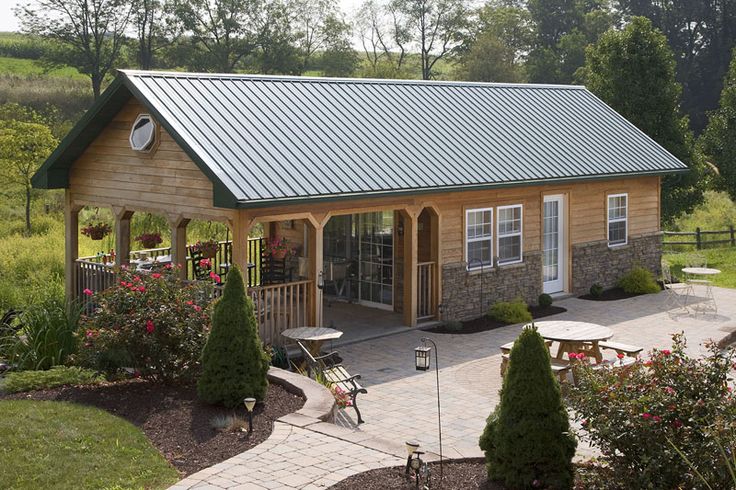
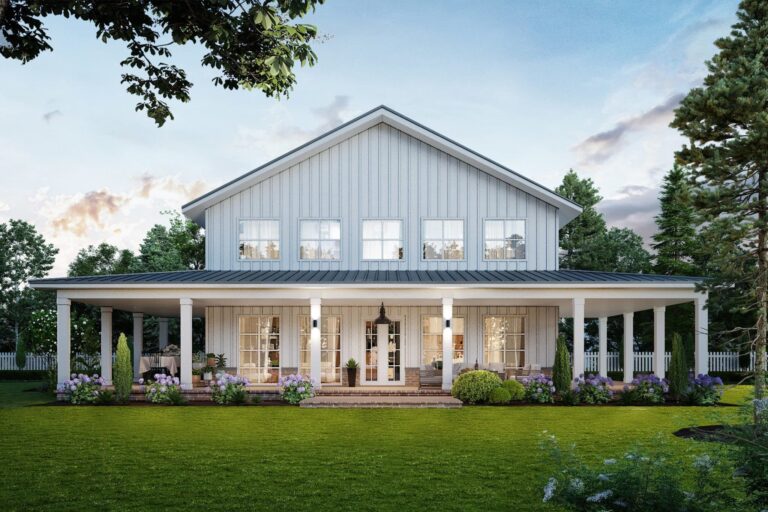
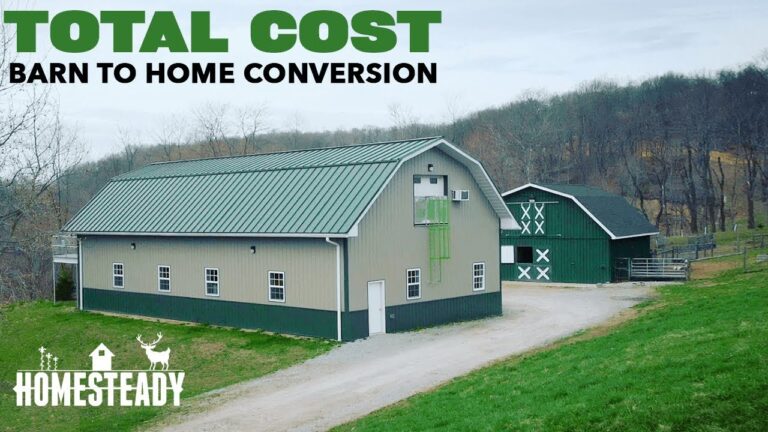
Creative Conversion: Turning A Pole Barn Into A House
In this article
When it comes to creative home renovations, one surprising option gaining popularity is turning a pole barn into a house. Yes, you read that right – a pole barn! Often associated with farms and agricultural storage, pole barns have been transformed into unique and stylish living spaces. But how exactly does this conversion work? Let’s explore the fascinating process of turning a humble pole barn into a comfortable and modern home.
The transformation of a pole barn into a house involves a combination of history and ingenuity. Originally designed to provide affordable and practical storage for farm equipment and livestock, pole barns offer excellent structural integrity and spacious interiors. With some creative modifications, these structures can be converted into beautiful homes that provide rustic charm and contemporary living. In fact, according to industry experts, converting a pole barn into a house can save homeowners up to 30% in construction costs compared to building from scratch.
Transforming a pole barn into a functional and stylish house requires careful planning and skilled execution. Start by assessing the structure’s condition and consulting with professionals to ensure it meets building codes. Then, create a detailed design that includes insulation, plumbing, and electrical systems. Hire experienced contractors to handle the construction process, focusing on incorporating unique architectural elements and optimizing the space. Finally, add finishing touches like interior design and landscaping to create a beautiful and livable space.
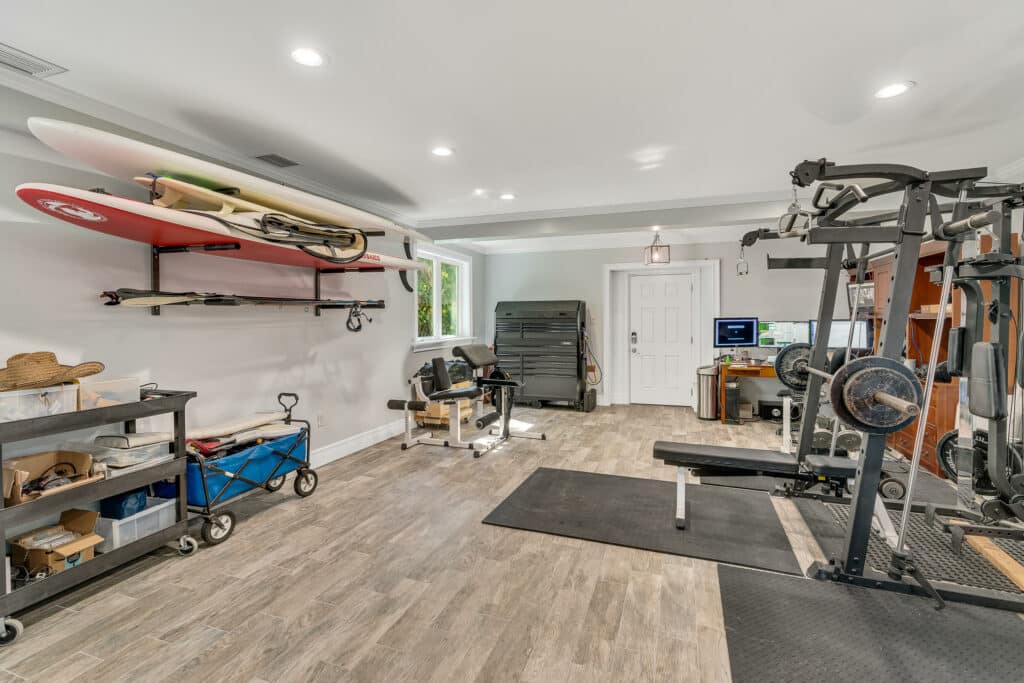
Unique Aspect: Benefits of Turning a Pole Barn into a House
Barns have long been used for agricultural and storage purposes, but in recent years, there has been a growing trend of converting pole barns into houses. This unique conversion offers an array of benefits, making it an appealing option for homeowners. By repurposing a pole barn, you can create a spacious, versatile, and cost-effective living space that combines the rustic charm of a barn with the comfort and convenience of a modern home.
Converting a pole barn into a house allows for creative customization and offers a unique design aesthetic. The open floor plan, high ceilings, and exposed wooden beams provide a sense of spaciousness and character that is hard to replicate in traditional homes. Additionally, the large windows often found in barns allow for ample natural light, creating a bright and inviting atmosphere.
One of the major advantages of converting a pole barn into a house is the cost-effectiveness. Building a new home from scratch can be a significant financial undertaking, but repurposing an existing structure can significantly reduce expenses. Barns are typically already equipped with a solid foundation, walls, and a roof, saving on construction costs. Moreover, the pole barn’s simple design makes it easier to renovate and adapt to the specific needs and preferences of the homeowner.
Furthermore, the durability and longevity of pole barns make them an ideal choice for conversion. These structures are designed to withstand harsh weather conditions and are built to last. With proper maintenance and insulation, a pole barn can provide a comfortable and durable living space for decades.
Choosing the Right Pole Barn for Conversion
Before proceeding with the conversion, it is crucial to select the right pole barn suited for the transformation into a house. Some key factors to consider during the selection process include:
- The dimensions and layout of the pole barn should align with the desired house design.
- The condition of the existing structure should be assessed to determine if any repairs or modifications are needed.
- Ensure the pole barn has appropriate zoning approvals and meets local building codes.
- Consider the functionality and accessibility of the space for future use.
By carefully evaluating these aspects, you can choose a pole barn that provides a solid foundation for the conversion project.
Design and Layout Considerations
Once you have selected the ideal pole barn, it’s time to consider the design and layout of your new house. The open floor plan characteristic of barns allows for versatile and flexible spaces that can be customized to suit your needs. Here are some design considerations:
- Utilize the high ceilings and open spaces to create multi-level living areas or loft spaces.
- Preserve the natural aesthetics of the barn by incorporating the exposed wooden beams and rustic elements into the design.
- Create defined spaces within the open floor plan by using furniture arrangements, area rugs, or partial walls.
- Maximize natural light by strategically placing windows and skylights.
By carefully planning the design and layout, you can create a unique and functional living space that combines the charm of a barn with modern comforts.
Structural Modifications and Insulation
During the conversion process, certain structural modifications may be necessary to ensure the pole barn meets the requirements of a residential space. This may include:
- Adding windows or expanding existing ones to increase natural light.
- Installing plumbing and electrical systems to accommodate modern amenities.
- Adding insulation to regulate temperature and make the space energy-efficient.
- Constructing interior walls to create separate rooms and define living areas.
Working with professionals experienced in pole barn conversions can help ensure these modifications are executed correctly.
Utilities and Amenities
To transform a pole barn into a fully-functional house, it is important to consider utilities and amenities. This includes:
- Plumbing: Install a well or connect to a water supply system for running water.
- Electrical: Ensure the pole barn is equipped with an electrical system that meets the needs of a residential space.
- Heating and Cooling: Install an appropriate heating and cooling system for year-round comfort.
- Kitchen and Bathroom: Create functional spaces for cooking and sanitation.
- Flooring and Finishing: Choose suitable flooring materials and finishes to enhance the aesthetics and durability of the space.
Properly integrating these utilities and amenities will ensure your converted pole barn meets the standard and functionality of a traditional house.
Ensuring Safety and Compliance
When converting a pole barn into a house, it is essential to follow safety regulations and obtain the necessary permits and approvals. Some key aspects to consider include:
- Fire Safety: Install smoke detectors and fire extinguishers throughout the space.
- Structural Stability: Ensure the pole barn is structurally sound and can withstand the weight and stress of a residential conversion.
- Building Codes: Comply with local building codes and obtain the required permits for the conversion project.
Consulting with professionals or local authorities can provide guidance on meeting safety and compliance standards.
Exploring Functionality and Design
While the conversion of a pole barn into a house offers numerous benefits, it is important to carefully consider the functionality and design aspects of the space. Here are some key points to explore:
Multi-Purpose Living Spaces
Due to the open and versatile nature of pole barns, incorporating multi-purpose living spaces can enhance functionality and adaptability. Consider implementing creative solutions:
- Create an office space that can double as a guest room by utilizing a Murphy bed or a convertible sofa.
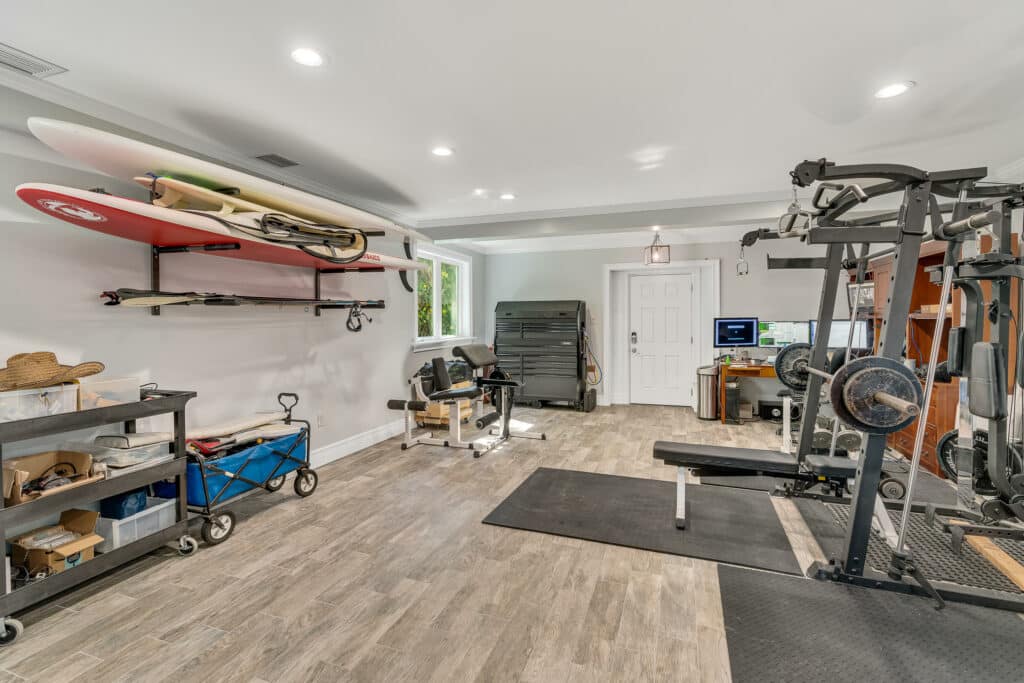
- Designate an area for hobbies or recreational activities, such as a home gym or art studio.
- Include ample storage solutions to keep the space organized and clutter-free.
By incorporating multi-purpose living spaces, you can make the most of the available square footage and tailor the space to your specific needs.
Strategic Interior Design
The interior design of a converted pole barn plays a significant role in maximizing both functionality and aesthetics. Consider the following strategies:
- Utilize open shelving and storage solutions to maximize vertical space and maintain an organized environment.
- Choose furniture and decor that complements the rustic charm of the barn while maintaining modern comfort.
- Select a color palette that enhances the natural light and creates a warm and inviting atmosphere.
Strategically designing the interior will allow you to create a cohesive and visually appealing living space.
Incorporating Sustainable Features
Transforming a pole barn into a sustainable living space is an excellent opportunity to reduce your environmental footprint. Consider implementing the following features:
- Energy-efficient lighting systems, such as LED or solar-powered lights.
- Insulation and weatherization to improve energy efficiency and reduce heating and cooling costs.
- Renewable energy sources, such as solar panels, to generate electricity.
- Water-saving fixtures and appliances to minimize water consumption.
By incorporating sustainable features, you can create an eco-friendly living space that aligns with your values.
Outdoor Living and Landscaping
Don’t forget to consider the outdoor living spaces and landscaping surrounding your converted pole barn. Utilize these areas to enhance the overall appeal and functionality of your property:
- Create a patio or deck for outdoor dining and entertainment.
- Add landscaping elements such as trees, shrubs, and flowers to enhance the aesthetics of the property.
- Develop a garden or vegetable patch to enjoy the benefits of homegrown produce.
By carefully planning and designing the outdoor spaces, you can extend the functionality and enjoyment of your converted pole barn house.
In Conclusion
Converting a pole barn into a house offers a unique opportunity to create a charming and functional living space. With the right design and considerations, you can transform the rustic appeal of a barn into a comfortable and modern home. From selecting the ideal pole barn to incorporating essential utilities and amenities, careful planning and attention to detail are crucial during the conversion process. By exploring the functionality and design possibilities, you can create a one-of-a-kind living space that combines the best of both worlds – the character of a barn and the comforts of a house.
Creative Conversion: Turning a Pole Barn into a House
When it comes to creating unique living spaces, a trend that is gaining popularity is transforming pole barns into houses. This creative conversion involves repurposing an existing structure into a functional and stylish home.
One of the main advantages of turning a pole barn into a house is cost-effectiveness. The basic structure is already in place, saving money on building materials and labor. Additionally, converting a pole barn allows for customization and flexibility in layout and design.
Another benefit is the large open spaces that pole barns provide. These spaces can easily be transformed into spacious living areas, perfect for open concept designs.
However, it is important to consider certain factors before embarking on this conversion. Building permits may be required, and structural modifications may be necessary to ensure the safety and stability of the converted space.
Overall, converting a pole barn into a house offers a unique and affordable option for those seeking a creative and customizable living space. With proper planning and professional guidance, this transformation can result in a stunning and functional home.
Key Takeaways: Creative Conversion: Turning a Pole Barn into a House
- Converting a pole barn into a house is a cost-effective way to build a unique home.
- Pole barns offer great versatility and can be customized to fit different architectural styles.
- Insulating the walls and roof of the pole barn is essential for creating a comfortable living space.
- Add windows and doors to bring in natural light and improve ventilation.
- Consider using renewable energy sources like solar panels to make your pole barn house more sustainable.
Frequently Asked Questions
Are you considering converting a pole barn into a house? Here are some frequently asked questions about this creative conversion process.
1. Can any pole barn be transformed into a house?
Not every pole barn can be easily converted into a house. The suitability of a pole barn for conversion depends on several factors. These factors include the structural integrity of the building, the size and layout of the space, and the necessary modifications to meet building and safety codes.
Before embarking on a conversion project, it is crucial to consult with experts such as architects, engineers, and contractors to assess the feasibility and potential challenges involved in converting a specific pole barn into a habitable living space.
2. What are the key considerations when converting a pole barn into a house?
When converting a pole barn into a house, there are several key considerations to keep in mind:
Firstly, assess the foundation of the pole barn to ensure its stability and durability for long-term residential use. It may be necessary to reinforce the foundation or add additional support structures.
Secondly, consider factors such as insulation, plumbing, and electrical systems. Upgrading these components will be essential to create a comfortable and functional living space.
Lastly, think about the layout and design of the space. This includes considerations such as room divisions, windows for natural light, and exterior finishes to enhance the aesthetics of the converted pole barn.
3. How much does it cost to convert a pole barn into a house?
The cost of converting a pole barn into a house can vary significantly depending on various factors. These factors include the size of the pole barn, the extent of modifications needed, the cost of materials, labor expenses, and any additional customizations or upgrades.
It is advisable to consult with professionals and obtain multiple quotes to get an accurate estimate of the overall cost. In general, converting a pole barn into a house can be a cost-effective alternative to building a new home from scratch, but it is important to budget accordingly and plan for unexpected expenses.
4. Are there any advantages to converting a pole barn into a house?
Converting a pole barn into a house offers several advantages:
Firstly, pole barns often provide ample space, making them suitable for creating a spacious and open floor plan. This can allow for versatile room arrangements and customization options.
Secondly, pole barns are typically more affordable compared to traditional construction methods. Converting an existing structure can save on construction costs and potentially reduce the overall project timeline.
Lastly, the rustic charm and unique architectural features of pole barns can add character and a distinct aesthetic appeal to the converted house.
5. Do I need permits to convert a pole barn into a house?
Yes, obtaining proper permits is essential when converting a pole barn into a house. The specific requirements for permits may vary depending on local building codes, zoning regulations, and other factors.
Consult with your local building department or planning commission to determine the necessary permits needed for the conversion project. Failing to obtain the required permits can lead to legal complications and delays in the construction process.
In conclusion, turning a pole barn into a house can be a creative and cost-effective option for those looking to build a unique and spacious home. By utilizing the existing structure and making necessary modifications, a pole barn can be transformed into a comfortable living space.
This conversion process requires careful planning and consideration of factors such as insulation, plumbing, and electrical systems. It is crucial to consult with professionals to ensure that the conversion meets building codes and regulations.