Exploring The Versatility Of Farmhouse Barns And Outbuildings
In this article
When it comes to the versatility of farmhouse barns and outbuildings, one cannot help but be amazed at the endless possibilities they offer. These architectural structures, originally designed for housing livestock and storing crops, have evolved into multi-functional spaces that cater to a variety of needs. From rustic wedding venues to cozy guesthouses, the transformation of barns and outbuildings showcases their adaptability and timeless charm.
Exploring the history of farmhouse barns and outbuildings reveals their integral role in agricultural communities throughout the centuries. These structures were not only essential for the storage and protection of valuable assets such as crops and livestock, but they also served as a hub for social gatherings and community events. Today, the versatility of barns and outbuildings continues to shine as they are repurposed for modern uses such as home offices, art studios, and even yoga retreats. In fact, according to a recent study, over 30% of barn conversions are being utilized for commercial purposes, highlighting their value and adaptability in meeting the changing needs of society.
Farmhouse barns and outbuildings offer endless possibilities for versatility. Whether it’s converting a barn into a cozy guest house or transforming an outbuilding into a home office, the options are endless. With their spacious interiors and rustic charm, these structures are perfect for adapting to diverse needs. From storage to creative spaces, they can be customized to fit any purpose. Explore the potential of farmhouse barns and outbuildings and discover how they can enhance your property with their flexibility and functionality.

Transforming Farmhouse Barns into Modern Living Spaces
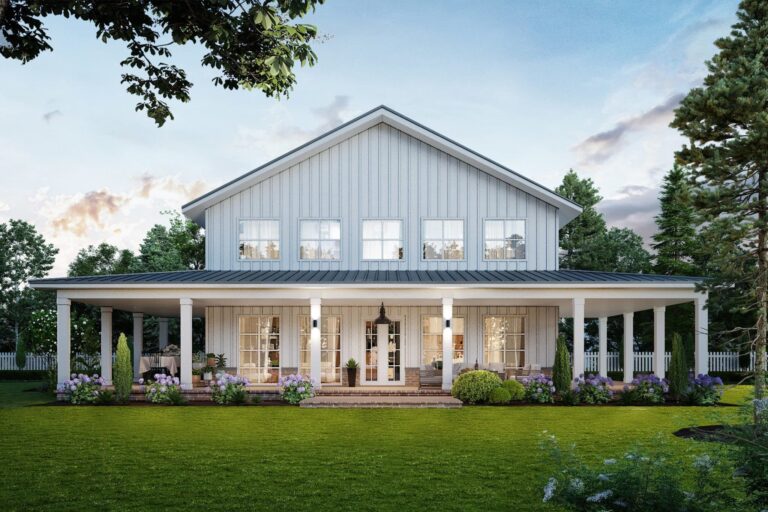
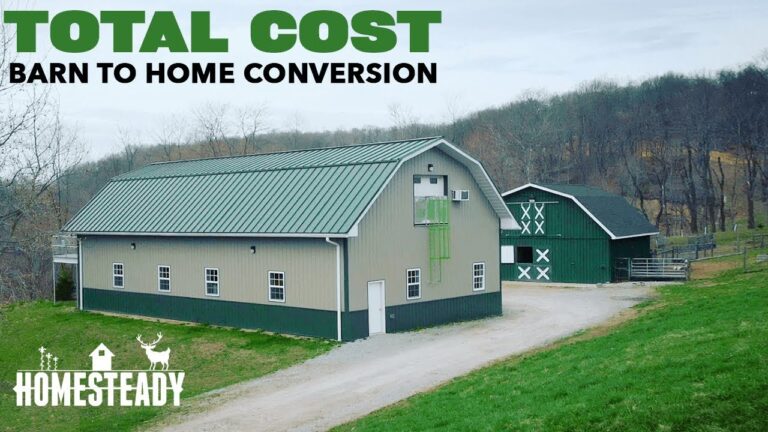
Farmhouse barns and outbuildings have gained immense popularity in recent years due to their versatility in being repurposed into modern living spaces. These historic structures, once used for storing agricultural equipment and housing livestock, now offer endless possibilities for homeowners looking to create unique and charming homes. From rustic and cozy cottages to luxurious and spacious residences, farmhouse barns have become a symbol of architectural innovation and creativity.
The transformation of farmhouse barns into modern living spaces often involves careful planning, engineering, and design. These structures, often built with sturdy materials like timber or stone, offer a solid foundation for various renovation projects. The spacious interiors and high ceilings of barns provide ample room to create open-concept living areas, grand entryways, and even multiple levels. By preserving the original architectural elements and incorporating modern amenities, homeowners can achieve a perfect blend of old-world charm and contemporary comfort.
The versatility of farmhouse barns also lies in their adaptability to different design styles. Whether you prefer a minimalist and sleek interior or a cozy and rustic ambiance, barns can be customized to suit your personal taste. The large windows and open layouts allow for an abundance of natural light, creating bright and airy spaces. Exposed beams, reclaimed wood accents, and stone walls can add character and warmth to the interiors, while modern fixtures and finishes bring a touch of sophistication.
Repurposing a farmhouse barn also offers an opportunity to embrace sustainable living. By utilizing eco-friendly materials, such as reclaimed wood and energy-efficient insulation, homeowners can reduce their carbon footprint and create an environmentally-friendly living space. Additionally, the spacious outdoor areas that often accompany barns can be transformed into beautiful gardens or sustainable landscapes, further adding to the charm and sustainability of the property.
Preserving the Charm of Historic Barn Structures
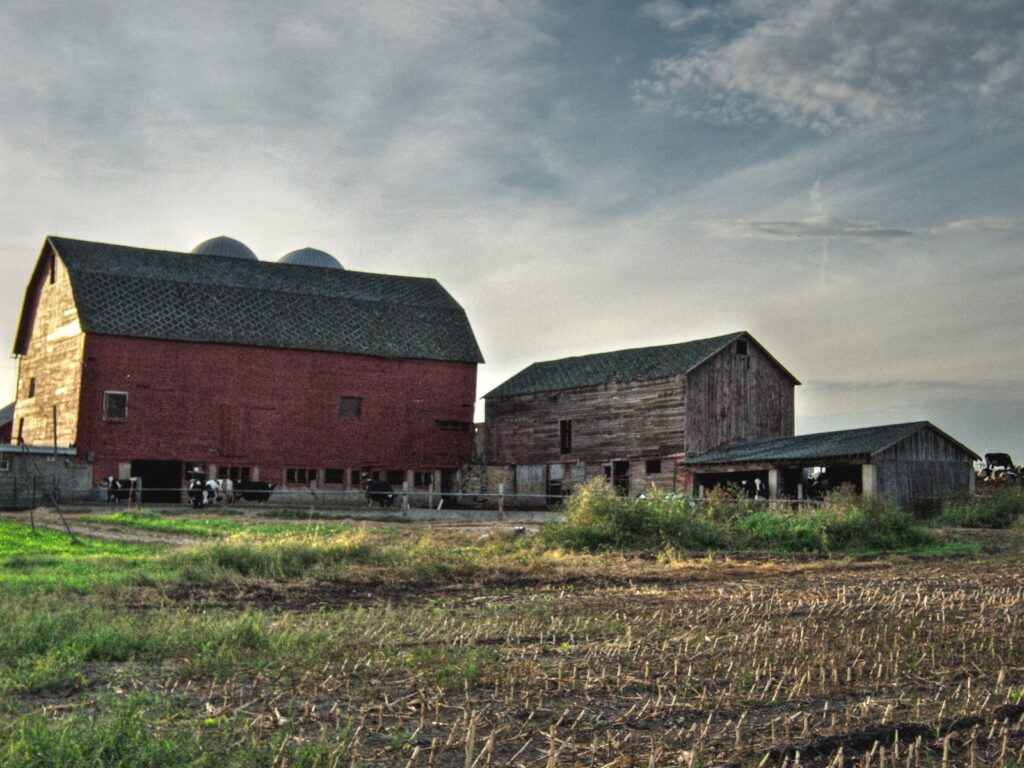
When repurposing a farmhouse barn into a modern living space, it is essential to preserve the charm and historic elements of the structure. These barns often have unique architectural features, such as the iconic gambrel roof, weathered wood siding, and charming cupolas. Honoring and enhancing these features can help create a truly authentic living experience.
One way to preserve the charm of historic barn structures is by repurposing the original materials found within the barn. Reclaimed wood, for example, can be used for flooring, staircase railings, and even accent walls. This not only adds a touch of history to the space but also reduces waste and promotes sustainability.
Incorporating the existing architectural elements of the barn, such as exposed beams or stone walls, can also enhance the overall aesthetics and create a visually striking interior. These elements can be showcased through proper lighting techniques and careful design choices, allowing them to become focal points that add character and depth to the living space.
Preservation Techniques for Historic Barn Structures
Preserving the original integrity of a historic barn often requires careful restoration and maintenance. The following techniques can help ensure the longevity and stability of the structure:
- Regular inspection for structural issues, such as rot or pest damage
- Reinforcing weak areas with appropriate support beams or trusses
- Applying protective coatings or sealants to prevent weathering and decay
- Replacing damaged or deteriorated wood siding or roofing materials
- Implementing proper drainage systems to prevent water damage
By investing in the preservation and maintenance of a farmhouse barn, homeowners can ensure the longevity of their unique living space and contribute to the preservation of cultural heritage.
Barn Conversion Considerations
Converting a farmhouse barn into a modern living space comes with its challenges and considerations. Before undertaking a barn conversion project, homeowners should take the following factors into account:
- Local building codes and regulations regarding barn conversions
- Cost estimates for renovation, including structural modifications and amenities
- Accessibility and proximity to necessary utilities, such as water and electricity
- Environmental impact and sustainability considerations
- Resale value and market demand for converted barn properties in the area
By conducting thorough research and consulting with experts, homeowners can make informed decisions about their barn conversion projects and ensure a successful outcome.
Beyond Residential: The Versatility of Barn Outbuildings
While the transformation of farmhouse barns into modern homes is a popular trend, the versatility of barn outbuildings extends beyond residential use. These structures can serve a variety of purposes, depending on the needs and interests of the property owner.
Barns have long been used as functional workspaces for farmers and craftsmen. Today, they continue to offer ample room and flexible layouts that are ideal for artists’ studios, workshops, or home offices. The high ceilings and natural light provide an inspiring environment for creative endeavors.
Additionall y, barn outbuildings can be converted into recreational spaces for hobbies and entertainment. From home gyms and yoga studios to game rooms and entertainment centers, the possibilities are endless. With proper insulation and heating systems, these outbuildings can be used year-round, regardless of the weather.
Adapting Barn Outbuildings for Commercial Use
Barn outbuildings also have commercial potential. Their unique charm and spacious interiors make them appealing venues for events, such as weddings, corporate retreats, or art exhibitions. With proper renovations and amenities, barns can become sought-after event spaces that offer a one-of-a-kind ambiance.
Furthermore, barns can be utilized for small-scale agritourism ventures, such as farm-to-table restaurants or farm stays. These businesses capitalize on the nostalgic appeal of farmhouse barns while providing visitors with a unique and immersive experience.
Benefits of Barn Outbuildings
There are several benefits to utilizing barn outbuildings in various capacities:
- Cost-effective alternative to constructing new buildings
- Preservation of historic architecture and cultural heritage
- Flexibility to adapt to changing needs and interests
- Potential for additional income through commercial ventures
- Ability to repurpose existing structures and reduce environmental impact
Whether used for residential, recreational, or commercial purposes, barn outbuildings offer a unique and versatile solution for property owners looking to make the most of their existing structures.
Embracing the Potential of Farmhouse Barns and Outbuildings
Exploring the versatility of farmhouse barns and outbuildings reveals an array of possibilities for homeowners and property owners. These historic structures, brimming with charm and character, can be transformed into stunning living spaces, functional work areas, and unique event venues. By preserving their architectural integrity and combining it with modern design and amenities, farmhouse barns offer a blend of old-world charm and contemporary living.
Exploring the Versatility of Farmhouse Barns and Outbuildings
Farmhouse barns and outbuildings are more than just storage spaces or animal shelters. These versatile structures offer a range of possibilities for homeowners and property owners. Whether you have a traditional farmhouse or a modern country home, barns and outbuildings can serve multiple purposes to meet your needs and enhance your property’s value.
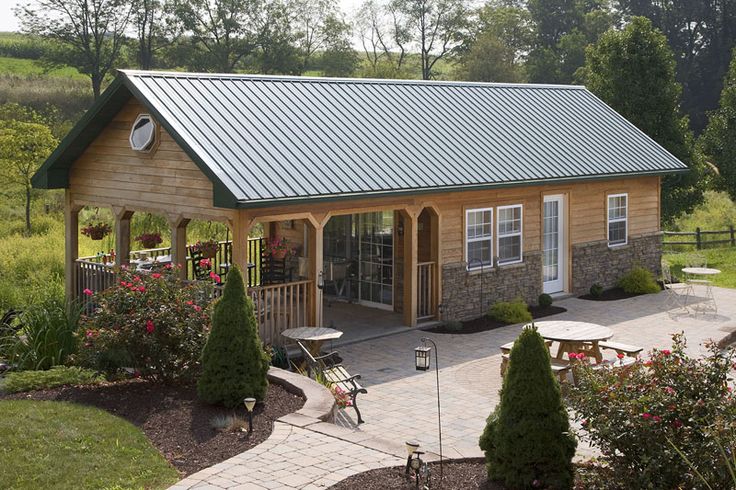
One of the most common uses of farmhouse barns and outbuildings is as additional living space. These structures can be converted into guest houses, workshops, home offices, or hobby rooms. With proper insulation and renovation, they can provide comfortable and functional spaces for various activities.
Another way to utilize farmhouse barns and outbuildings is for storage purposes. From equipment and tools to vehicles and recreational gear, these structures offer ample space to keep your belongings organized and protected from the elements.
Barns and outbuildings can also be used for farming or agriculture-related activities. They can serve as stables for horses, shelters for livestock, or storage for hay and feed. With the right modifications, they can create an ideal environment for various agricultural endeavors.
Lastly, farmhouse barns and outbuildings can add a touch of charm and character to your property. Their rustic appeal and architectural details can enhance the overall aesthetic of your farmhouse or country home.
Key Takeaways
- Farmhouse barns and outbuildings offer versatile spaces for various purposes.
- They can be transformed into guest houses or vacation rentals.
- These structures are ideal for storing farm equipment and machinery.
- They can serve as workshops for artisans and craftsmen.
- Barns and outbuildings can be converted into event venues or wedding locations.
Frequently Asked Questions
Farmhouse barns and outbuildings have become increasingly popular for their versatility and unique charm. Whether used for storage, events, or additional living space, these structures offer endless possibilities. Here are some commonly asked questions about exploring the versatility of farmhouse barns and outbuildings:
1. What are the different uses of farmhouse barns and outbuildings?
Farmhouse barns and outbuildings can serve a variety of purposes. They are often used for agricultural storage, such as housing livestock or storing farm equipment. However, they can also be converted into creative spaces, such as art studios, workshops, or even home offices. Some people use them as event venues for weddings, parties, or other social gatherings. With proper renovation and design, farmhouse barns and outbuildings can be transformed to suit different needs.
In addition to their functional uses, these structures also add to the aesthetic appeal of a farmhouse property, enhancing its rustic and charming atmosphere.
2. How can I repurpose a farmhouse barn or outbuilding?
Repurposing a farmhouse barn or outbuilding requires careful planning and consideration. First, assess the structural integrity of the building to ensure it is suitable for the intended purpose. Next, decide on the specific function you want it to serve, whether it’s storage, workspace, or entertainment.
Consider the layout and design elements that will be needed to accommodate your desired use. This may include adding insulation, windows, plumbing, or electrical outlets. It’s also important to take into account any necessary permits or building codes that may apply to your area.
3. Are there any restrictions or limitations when repurposing a farmhouse barn or outbuilding?
When repurposing a farmhouse barn or outbuilding, there may be certain restrictions or limitations to consider. These can vary depending on local zoning laws and regulations. Some areas may have restrictions on the size, height, or use of such structures.
It’s important to research and consult with local authorities and professionals to ensure that your plans comply with all necessary regulations. This will help avoid any potential legal issues or challenges in the future.
4. What are the advantages of using a farmhouse barn or outbuilding for events?
Using a farmhouse barn or outbuilding for events offers several advantages. Firstly, these structures provide a unique and memorable setting for special occasions. The rustic charm and natural beauty of the barn or outbuilding create a warm and inviting atmosphere that can’t be replicated in traditional event venues.
Furthermore, these spaces offer flexibility in terms of customization. Whether you’re hosting a wedding, birthday party, or corporate event, you can tailor the interior design and layout to suit your specific needs and theme. Additionally, the spaciousness of these structures allows for larger guest capacities compared to indoor venues.
5. How do farmhouse barns and outbuildings add value to a property?
Farmhouse barns and outbuildings can significantly increase the value of a property. These structures are highly sought after for their uniqueness, aesthetic appeal, and versatility. Potential buyers see them as valuable additions, offering additional storage space or the potential for income-generating uses, such as renting out as event venues or workshops.
Furthermore, farmhouse barns and outbuildings contribute to the overall charm and character of a farmhouse property, attracting buyers who appreciate the rustic and authentic feel they provide.
In conclusion, farmhouse barns and outbuildings offer a wide range of versatility to farmers and homeowners. These structures provide ample storage space for equipment, livestock, and agricultural products. They can also be converted into additional living spaces, workshops, or recreational areas.
With their sturdy construction and rustic charm, farmhouse barns and outbuildings add character to any property. Their versatility allows them to adapt to various needs and functions. Whether used for farming, storage, or living spaces, these structures are valuable additions to any rural or suburban property.