Financial Considerations For Barndominiums In Michigan
In this article
When it comes to financial considerations for barndominiums in Michigan, there are a few important things to keep in mind. Let’s break it down step by step.
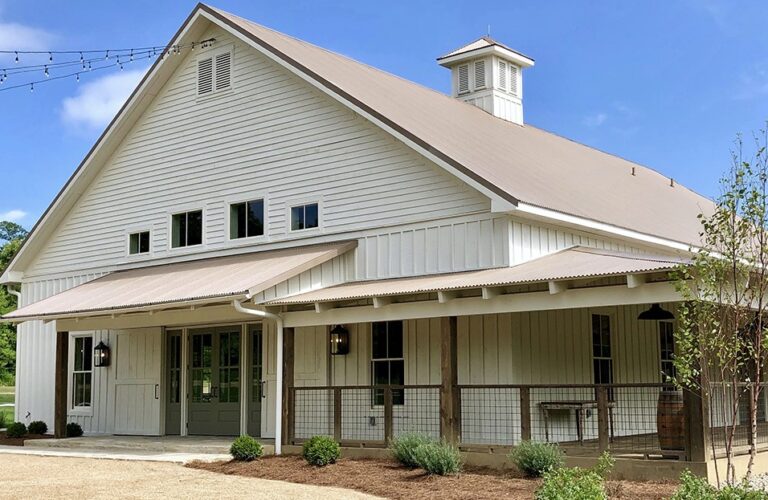
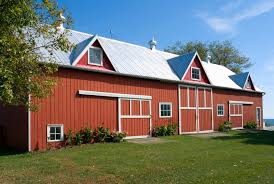
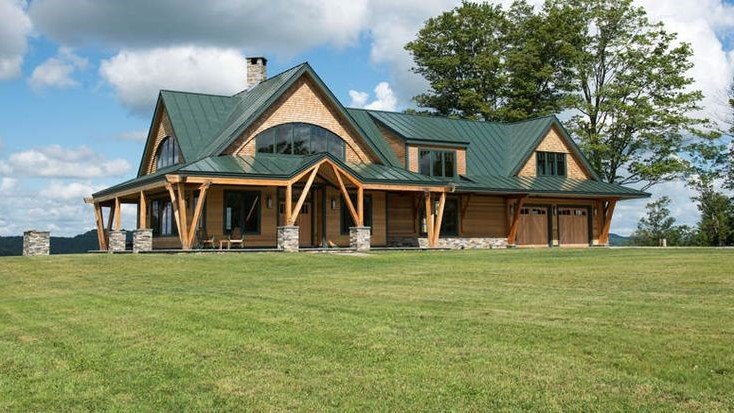
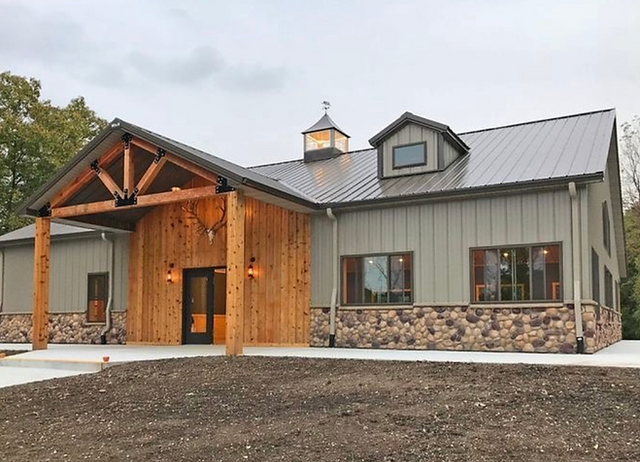
First off, what exactly is a barndominium? Well, it’s a unique type of home that combines the rustic charm of a barn with the modern comforts of a house. Think of it as the best of both worlds!
Now, let’s dive into the financial side of things. Building a barndominium in Michigan can be a cost-effective alternative to a traditional home, but there are still expenses to consider. From construction costs to permits and inspections, it’s important to have a clear understanding of your budget before getting started. So, let’s explore the financial considerations for barndominiums in Michigan together!
Financial Considerations for Barndominiums in Michigan: A Guide to Making Informed Decisions
Barndominiums have been gaining popularity in recent years as an alternative to traditional homes. These unique structures combine the functionality of a barn with the comfort and convenience of a living space. If you’re considering building a barndominium in Michigan, it’s important to understand the financial considerations involved. From construction costs to property taxes, there are several factors to take into account. In this article, we will explore the key financial considerations for barndominiums in Michigan and provide valuable insights to help you make informed decisions.
1. Initial Construction Costs: Budgeting for Your Barndominium
When planning to build a barndominium in Michigan, it’s crucial to establish a realistic budget for the initial construction costs. The cost of building a barndominium can vary significantly depending on factors such as size, design, materials, and location. To ensure that your budget remains on track, consider obtaining multiple quotes from reputable contractors specializing in barndominium construction.
Design and Size: The design and size of your barndominium will directly impact the construction costs. A more intricate and customized design may require additional labor and materials, increasing the overall expenses. Similarly, a larger barndominium will require more materials and potentially additional permits, further impacting the budget.
Materials: The choice of materials for your barndominium will play a significant role in determining the construction costs. While traditional materials like wood and metal are commonly used, alternative options such as concrete or sustainable materials might come with different price tags. Research and compare the costs of various materials to find the best fit for your budget and desired aesthetic.
Location: The location of your barndominium in Michigan can influence the construction costs due to variations in land prices, accessibility to utilities, and building regulations. Additionally, if you plan to purchase land specifically for your barndominium, factor in the land acquisition costs into your budget.
2. Financing Options: Securing Funding for Your Barndominium Project
Securing appropriate financing is another crucial aspect of planning a barndominium project in Michigan. Depending on your financial situation and goals, there are various financing options to consider.
Traditional Mortgage: If you already own the land for your barndominium and it meets the criteria of a traditional home, you may be eligible for a conventional mortgage. This financing option allows you to borrow funds based on the appraised value of your property.
Construction Loan: If you are starting from scratch or need funds for the construction phase, a construction loan is a viable option. This type of loan provides funds in installments as the project progresses and typically converts into a traditional mortgage upon completion.
Home Equity Loan or Line of Credit: If you currently own a home or have equity built up in a property, you might consider using a home equity loan or line of credit to fund your barndominium project. These options allow you to leverage the equity in your current property to secure funds for the new construction.
3. Property Taxes and Insurance: Understanding Ongoing Expenses
After your barndominium is completed, it’s important to consider the ongoing expenses associated with owning the property. Property taxes and insurance are two significant factors to take into account.
Property Taxes: The property taxes for your barndominium in Michigan will be based on the assessed value of the property. Research the local property tax rates and regulations to estimate your annual tax obligations. Keep in mind that certain improvements or modifications to the property may impact its assessed value and, subsequently, the tax amount.
Insurance: Just like with any other residential property, it’s crucial to obtain proper insurance coverage for your barndominium. Speak with insurance providers who specialize in covering unique structures like barndominiums to ensure you have adequate coverage. Consider factors such as the value of the property, its intended use, and any additional structures or amenities on the premises.
Maintenance and Upkeep Costs: While not directly related to finances, it’s important to also factor in the ongoing maintenance and upkeep costs of your barndominium. Regular maintenance and necessary repairs should be included in your budget to ensure the longevity and functionality of your property.
4. Tax Incentives and Benefits: Exploring Potential Savings
When considering the financial aspects of barndominium ownership in Michigan, it’s worth exploring any potential tax incentives and benefits that may be available.
Agricultural Exemptions: In certain cases, barndominiums that are primarily used for agricultural purposes may qualify for agricultural exemptions on property taxes. This can result in significant savings on annual tax obligations. Research and consult with local tax authorities to understand the eligibility criteria and requirements for agricultural exemptions.
Renewable Energy Credits: Michigan offers various incentives and tax credits for incorporating renewable energy systems, such as solar panels or wind turbines, into residential properties. If you plan to implement sustainable energy solutions in your barndominium, explore these programs to potentially offset costs through tax credits or incentives.
Historical Designation: If your barndominium is located in a historically significant area or meets specific architectural criteria, it may be eligible for a historical designation. This can provide benefits such as tax credits, grants, or exemptions. Research the requirements and consult with local historical preservation authorities to explore any potential financial advantages.
Summary:
Building and owning a barndominium in Michigan involves various financial considerations. It’s important to establish a realistic construction budget, explore financing options, and understand ongoing expenses such as property taxes and insurance. Additionally, researching potential tax incentives and benefits can help you maximize savings and make the most of your investment. By taking these aspects into account and making informed decisions, you can embark on your barndominium journey with confidence.
Key Takeaways: Financial Considerations for Barndominiums in Michigan
- 1. Barndominiums in Michigan offer a cost-efficient housing option compared to traditional homes.
- 2. Proper budgeting and financial planning are essential before constructing a barndominium.
- 3. Consider the upfront costs, including land purchase, permits, and construction expenses.
- 4. Understand the long-term maintenance and insurance costs associated with barndominiums.
- 5. Explore financing options specifically tailored for barndominium construction in Michigan.
Frequently Asked Questions
Here are some commonly asked questions about the financial considerations for barndominiums in Michigan.
1. How much does it cost to build a barndominium in Michigan?
The cost of building a barndominium in Michigan can vary depending on several factors such as the size of the building, the materials used, and the level of customization. On average, you can expect to spend anywhere from $100 to $200 per square foot. It’s important to note that this estimate may not include additional expenses such as land acquisition, permits, or utility connections.
To get a more accurate estimate for your specific project, it is recommended to consult with a reputable builder or contractor who specializes in barndominium construction. They can assess your needs and provide a detailed cost breakdown based on your requirements.
2. Can I get financing for a barndominium in Michigan?
Yes, you can generally obtain financing for a barndominium in Michigan. Many lenders offer construction loans specifically for these types of buildings. However, keep in mind that the lending criteria and eligibility requirements may vary between lenders. It’s essential to research and compare different financing options to find the one that best suits your needs.
In addition to traditional lenders, there are also specialty lenders who focus on financing alternative housing options like barndominiums. These lenders may have a better understanding of the unique characteristics of this type of property and may be able to provide more suitable loan terms.
3. Are there any tax incentives for building a barndominium in Michigan?
While there are no specific tax incentives for building a barndominium in Michigan, there may be some potential benefits to consider. For example, if your barndominium includes an agricultural component, you may be eligible for certain agricultural tax exemptions or deductions.
Additionally, depending on the location of your barndominium and the local tax laws, you may be able to take advantage of property tax savings if the property is classified as a farm or considered agricultural land. It’s recommended to consult with a tax professional or local tax authorities to understand the specific tax implications and potential benefits for your barndominium project.
4. How does insurance work for barndominiums in Michigan?
Insuring a barndominium in Michigan can sometimes be a bit more challenging compared to insuring a traditional home. Since barndominiums are a relatively new concept, not all insurance companies may be familiar with insuring this type of property. It’s important to find an insurance provider who specializes in or has experience insuring barndominiums.
When insuring a barndominium, you will typically need a policy that combines both homeowner’s insurance and a farm or commercial policy, depending on the use of the property. The policy should cover the structural components of the building as well as any personal property inside. It’s recommended to work closely with an insurance agent who can guide you through the process and ensure you have adequate coverage.
5. Can I rent out my barndominium in Michigan?
Renting out your barndominium in Michigan is generally allowed, but there may be certain restrictions and regulations to consider. It’s important to review the local zoning laws and any homeowners’ association rules that may be applicable to your property.
If you plan to rent out your barndominium for short-term stays, such as through platforms like Airbnb, you may need to obtain the necessary permits or licenses. Additionally, you should familiarize yourself with the tax obligations associated with rental income and consult with a tax professional to ensure compliance with local and state tax laws.
Barndominiums 101: Pros & Cons + Cost + Process Of Building A Barndominium Home
Summary
So, to sum it up, if you’re thinking about building a barndominium in Michigan, there are a few important financial considerations to keep in mind. First, be sure to factor in the cost of land, permits, and site preparation. Second, think about how you’ll finance the construction, whether through a mortgage or a personal loan. Lastly, remember to budget for ongoing maintenance and insurance expenses. By considering these factors, you can make a more informed decision about whether a barndominium is the right choice for you financially.
In conclusion, building a barndominium can be an exciting and unique housing option, but it’s important to carefully consider the financial aspects. Plan out your budget, explore different financing options, and don’t forget about long-term maintenance costs. With the right preparation and financial considerations, you can turn your dream of a barndominium into a reality in Michigan.