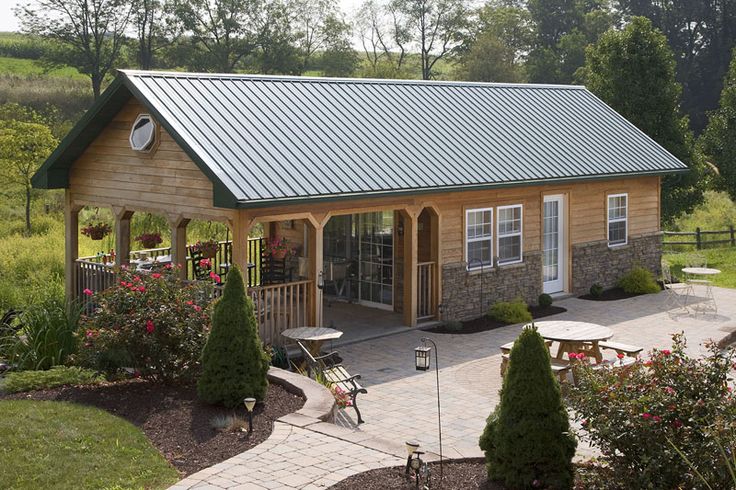
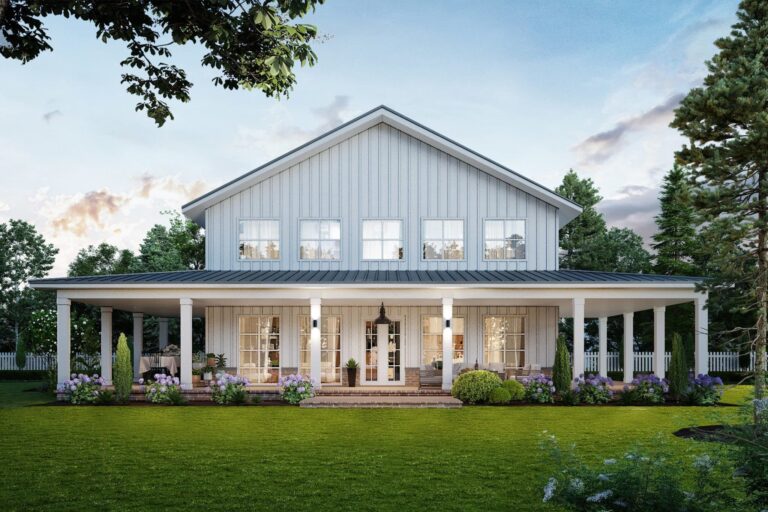
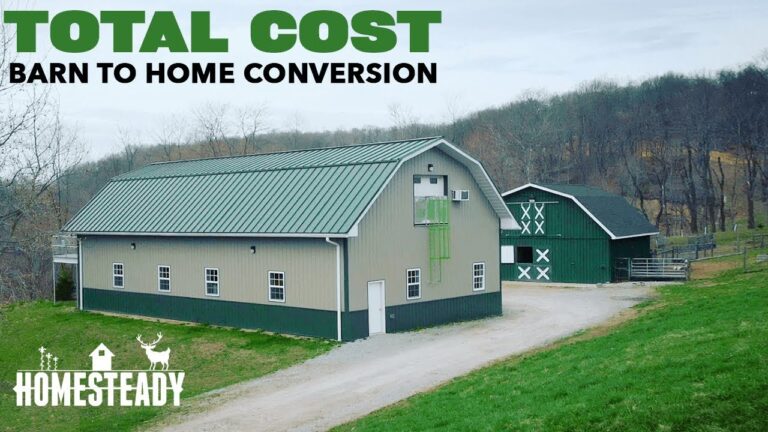
Step By Step Guide On Building A Pole Barn House
In this article
Building a pole barn house offers numerous benefits, including cost-effectiveness, design flexibility, and faster construction times. By following a step-by-step guide and considering important factors such as location, design, site preparation
Overview:
Building a pole barn house is a practical and cost-effective option for homeowners looking for a versatile and durable structure. This step-by-step guide will provide valuable insights for those interested in undertaking this project.
1. Planning:
- Determine the purpose and size of the pole barn house.
- Select a suitable location.
- Check local building codes and permits.
2. Design:
Create a detailed floor plan, considering the layout, room sizes, and amenities.
3. Foundation and Framing:
- Pour a concrete foundation or anchor poles into the ground.
- Construct the frame using sturdy poles and beams.
- Add insulation for energy efficiency.
4. Roofing and Siding:
Install roofing materials like metal or shingles and choose appropriate siding options.
5. Electrical and Plumbing:
Install necessary wiring for lighting and outlets. Determine plumbing needs and connections for bathrooms and kitchen.
6. Finishing Touches:
Complete the interior finishes such as flooring, painting, and cabinetry. Install doors and windows.
Key Takeaways
- Building a pole barn house involves several stages, including planning, site preparation, and construction.
- Before starting construction, it’s important to obtain any necessary permits and approvals.
- Meticulous planning is crucial to ensure the success of the project and avoid costly mistakes.
- Site preparation involves clearing the land, leveling the ground, and preparing the foundation.
- During construction, it’s important to follow the design plans and use high-quality materials.
Frequently Asked Questions
Here are some commonly asked questions about building a pole barn house:
1. What are the advantages of building a pole barn house?
Building a pole barn house offers several advantages:
Firstly, it is cost-effective compared to traditional construction methods, as pole barns require fewer materials and have simpler foundations.
Secondly, pole barn houses are highly versatile, allowing for customizable floor plans and various building styles to suit your needs and preferences.
2. What are the essential steps in building a pole barn house?
The key steps in building a pole barn house are as follows:
1. Site preparation: Clear the land and level the area where the pole barn will be constructed.
2. Foundation: Install the posts or poles that will support the structure of the pole barn.
3. Framing: Attach the wall and roof framing, ensuring proper support and stability.
4. Exterior finishing: Install the siding, doors, windows, and roofing materials to protect the structure from the elements.
3. What permits and regulations are necessary for building a pole barn house?
The permits and regulations required for building a pole barn house may vary depending on your location and local zoning laws. It is essential to contact your local building department or zoning office to determine the specific requirements.
Typically, you will need permits for site preparation, construction, electrical work, and plumbing. Additionally, adherence to zoning regulations regarding setbacks, height restrictions, and other factors may also apply.
4. How long does it take to build a pole barn house?
The time it takes to build a pole barn house depends on various factors:
1. Size and complexity of the project: Larger and more intricate designs may require more time for construction.
2. Availability of labor and resources: If you have sufficient manpower and necessary materials, the construction process can proceed more quickly.
3. Weather conditions: Inclement weather can cause delays in construction, especially during the exterior finishing stages.
Generally, building a pole barn house can take anywhere from a few weeks to a few months, depending on the above factors.
5. Can I convert an existing pole barn into a living space?
Yes, it is possible to convert an existing pole barn into a living space. Here are the basic steps involved:
1. Insulation: Add insulation to the walls and roof to ensure proper temperature regulation.
2. Interior finishing: Install drywall, flooring, and any necessary electrical and plumbing systems.
3. Divide the space: Create separate rooms or areas within the pole barn using partition walls.
4. Add windows and doors: Enhance natural light and access points by installing windows and doors.
By following these steps, you can transform your pole barn into a comfortable and functional living space.
So there you have it, a step-by-step guide on building a pole barn house. By following these instructions, you’ll be well-equipped to start your own construction project. Remember to start by setting a budget and obtaining the necessary permits. Then, gather your materials and select a suitable location for your pole barn. Take your time to properly prepare the site and pour the foundation. Once that’s done, begin erecting the poles and framing the walls and roof. Finally, finish off with the doors, windows, and other finishing touches. With patience, dedication, and a little help along the way, you’ll soon have your very own pole barn house.
Building a pole barn house can be a rewarding and fulfilling experience. Not only will you have a unique and versatile structure, but you’ll also have the satisfaction of knowing that you built it yourself. With proper planning and execution, your pole barn house will provide you with a comfortable and functional living space for many years to come. So, get ready to roll up your sleeves and embark on this exciting journey. Good luck!
Interested in building your own pole barn house? You may be surprised to learn that these versatile structures have a long history of use in agriculture and can also make great residential homes. If you’re looking for a cost-effective and customizable housing option, a pole barn house might be just what you need.
A pole barn house offers several advantages over traditional construction methods. Not only are they typically more affordable to build, but they also provide excellent energy efficiency and durability. In fact, studies have shown that pole barn houses can be up to 30% more energy efficient than traditional stick-built homes. With their open and spacious interiors, pole barn houses offer endless possibilities for design and layout, making them a popular choice for homeowners looking for a unique and customizable living space.
Looking to build a pole barn house? Follow this step-by-step guide to ensure a successful project. 1. Start with a solid foundation by clearing the site and preparing the ground. 2. Install the poles, ensuring they are properly spaced and the correct depth. 3. Secure the poles with concrete to ensure stability. 4. Frame the walls and roof using durable materials. 5. Finish the interior, adding insulation, electrical wiring, and plumbing. With careful planning and attention to detail, you can create a beautiful and functional pole barn house.
Benefits of Building a Pole Barn House
When it comes to constructing a new home, a pole barn house offers numerous benefits that make it an attractive option for many homeowners. A pole barn house, also known as a post-frame house, is a type of structure that uses large poles or posts embedded in the ground to provide support for the roof and walls. Unlike traditional stick-built houses, which rely on a foundation, pole barn houses allow for greater flexibility in design, lower construction costs, and faster construction times. Here, we will discuss the step-by-step guide on building a pole barn house, including important considerations and the construction process.
1. Selecting the Right Location and Design
The first step in building a pole barn house is to select the right location and design. When choosing the location, consider factors such as proximity to utilities, accessibility, and the orientation of the site. The design of the pole barn house should also be carefully considered to meet your specific needs and preferences. Select a design that maximizes space utilization and incorporates the desired architectural style.
Once the location and design have been finalized, it’s important to obtain the necessary permits and approvals from local authorities. Check local zoning regulations and building codes to ensure compliance with all requirements.
Additionally, it’s crucial to have a clear understanding of the budget and timeline for the construction process. Consider consulting with professionals, such as architects or contractors, to help with the design and planning phase.
By carefully selecting the right location and design, you can set the foundation for a successful pole barn house construction project.
1.1 Location Considerations
When choosing the location for your pole barn house, consider the following factors:
- Proximity to utilities such as water, electricity, and sewage
- Accessibility for construction vehicles and future occupants
- Orientation of the site for optimal sunlight exposure and wind protection
Keep in mind that the location should also comply with any local regulations or homeowner association rules.
If you plan to have a garden or outdoor amenities, consider how the location will accommodate those features.
1.2 Design Considerations
When designing your pole barn house, consider the following:
- Space utilization: Optimize the layout to suit your specific needs, such as the number of bedrooms, bathrooms, and living spaces.
- Architectural style: Choose a design that aligns with your personal preferences and complements the surrounding environment.
- Energy efficiency: Incorporate insulation and energy-efficient features to reduce heating and cooling costs.
- Future expansion: Consider the potential for future expansion if you anticipate the need for additional space.
Work with an architect or designer to create detailed plans that meet your requirements.
Once you have finalized the location and design, you can move on to the next step in the construction process.
2. Preparing the Site
The next step in building a pole barn house is preparing the site for construction. This involves clearing the land, leveling the area, and marking the boundaries. It’s important to remove any vegetation, rocks, or debris that could interfere with the construction process.
Before leveling the area, ensure that the soil is stable and suitable for construction. If necessary, consult with a soil engineer to assess the soil conditions and determine if any soil stabilization measures are needed.
Once the site is cleared and leveled, mark the boundaries and establish reference points to guide the construction process. Use string lines and stakes to indicate the outer walls and corners of the pole barn house.
It’s also important to consider the layout and placement of utilities, such as water and electricity lines. Determine their locations relative to the pole barn house and make the necessary preparations for their installation.
2.1 Clearing the Land
Clearing the land involves removing any obstacles or vegetation that may interfere with construction, such as trees, shrubs, or large rocks. This can be done manually or with the help of professional land clearing services.
Ensure that all necessary permits and permissions are obtained before undertaking land clearing activities.
Dispose of the cleared vegetation and debris responsibly, following local regulations and guidelines.
2.2 Leveling the Area
Leveling the area involves removing any uneven surfaces or slopes to create a flat and stable foundation for the pole barn house. This can be done by filling in low spots and removing or redistributing excess soil.
Ensure that the area is properly compacted to prevent future settling or shifting of the pole barn house.
If necessary, consult with a professional contractor or engineer to ensure the area is sufficiently leveled.
3. Constructing the Pole Barn House
The construction process of a pole barn house involves several key steps that need to be followed carefully. These steps include:
- Preparing and setting the poles
- Installing the roof trusses
- Constructing the walls
- Installing doors, windows, and utilities
- Finishing and interior work
Each step requires attention to detail and adherence to best practices to ensure a structurally sound and aesthetically pleasing result.
Prior to construction, it’s important to gather all the necessary materials, tools, and equipment for each phase of the process. This includes the poles, roofing materials, siding, insulation, doors, windows, and any other fixtures or finishes required for the construction.
It’s strongly recommended to work with experienced professionals, such as contractors, carpenters, and electricians, who have expertise in pole barn house construction. They can provide guidance, ensure compliance with local building codes, and help avoid common pitfalls.
3.1 Preparing and Setting the Poles
Preparing and setting the poles is a critical step in the construction process. Here’s an overview of what it entails:
- Excavate the holes for the poles according to the depth and diameter specified in the engineering plans.
- Insert the poles into the holes, ensuring they are properly aligned and plumb.
- Backfill the holes with compacted soil or concrete to provide stability and prevent shifting.
- Allow the concrete to cure before proceeding to the next step.
It’s important to follow the engineering plans and recommendations provided by professionals to ensure the structural integrity of the pole barn house.
Consider installing anchor bolts or brackets to provide additional stability and prevent movement or shifting of the poles.
3.2 Installing the Roof Trusses
Installing the roof trusses is a crucial step to provide structural support and create the frame for the roof. Here’s an overview of the process:
- Secure the trusses to the top of the poles, ensuring they are properly aligned and spaced according to the engineering plans.
- Use appropriate connectors, such as metal brackets or straps, to secure the trusses in place.
- Ensure proper bracing and additional support, especially for larger or more complex roof designs.
Follow the manufacturer’s instructions and engineering plans for the specific truss design and load requirements.
Consider consulting with a structural engineer to ensure the roof trusses are properly installed and able to withstand the expected loads and environmental conditions.
3.3 Constructing the Walls
Constructing the walls involves several important steps to create the structure of the pole barn house:
- Attach horizontal girts or purlins between the poles to create the framework for the walls.
- Install the wall posts vertically, ensuring they are properly aligned and secured.
- Attach the wall panels or sheathing to the framework.
- Consider adding insulation between the wall panels for energy efficiency.
Follow the manufacturer’s instructions and engineering plans for proper installation techniques and ensure compliance with local building codes.
Consider incorporating windows and doors at appropriate locations in the walls, following the design and architectural plans.
4. Finishing and Interior Work
Once the main structure of the pole barn house is completed, there are several finishing and interior work tasks to be undertaken:
- Install doors and windows according to the design plans and specifications.
- Complete the roofing by installing the chosen roofing materials, such as metal sheets or shingles.
- Apply exterior finishing materials, such as siding or cladding, to protect the walls and enhance the aesthetics.
- Finish the interior walls with drywall, paneling, or other desired materials.
- Install electrical, plumbing, and HVAC systems as required.
- Create interior partitions, if necessary, to define rooms and living spaces.
- Apply finishes, such as paint or wallpaper, to enhance the appearance.
- Complete any additional landscaping or exterior features, such as driveways or patios.
Ensure that all finishing and interior work is done according to relevant building codes and regulations.
Consider consulting with professionals, such as interior designers or contractors, to ensure the work is done to high standards and meets your expectations.
By following these steps and working with experienced professionals, you can successfully build a pole barn house that meets your needs, preferences, and budget.
Additional Considerations for Building a Pole Barn House
Building a pole barn house involves important considerations beyond the construction process itself. Here are some additional factors to keep in mind:
1. Permits and Regulations
Before starting any construction, it’s essential to obtain the necessary permits and approvals from local authorities. These may include permits for building, electrical, plumbing, and septic systems. Familiarize yourself with local building codes and regulations to ensure compliance and avoid potential issues.
Consult with professionals, such as architects or contractors, to assist with the permit application process and ensure all necessary documentation is in order.
Failure to comply with permits and regulations can result in fines, delays, or even the removal of the structure.
2. Budget and Financing
Creating a budget and securing financing are crucial steps in the process of building a pole barn house. Determine your budget based on the costs of materials, labor, permits, and any additional expenses. Obtain quotes from multiple contractors and suppliers to compare prices.
If necessary, explore financing options such as construction loans or home equity loans to cover the costs of construction.
Keep in mind that unexpected expenses or changes to the scope of the project may arise, so it’s wise to set aside a contingency fund.
3. Maintenance and Upkeep
Like any home, a pole barn house requires regular maintenance and upkeep to ensure its longevity and functionality. Implement a maintenance plan that includes regular inspections, cleaning, and repairs as needed.
Pay attention to the roof and siding, as these areas are more exposed to the elements and may require more frequent maintenance. Inspect for any signs of damage, leaks, or pests.
Ensure proper ventilation and moisture control to prevent mold or rot. Consider installing gutters and downspouts to redirect rainwater away from the foundation.
Conclusion
Building a pole barn house offers numerous benefits, including cost-effectiveness, design flexibility, and faster construction times. By following a step-by-step guide and considering important factors such as location, design, site preparation
Overview:
Building a pole barn house is a practical and cost-effective option for homeowners looking for a versatile and durable structure. This step-by-step guide will provide valuable insights for those interested in undertaking this project.
1. Planning:
- Determine the purpose and size of the pole barn house.
- Select a suitable location.
- Check local building codes and permits.
2. Design:
Create a detailed floor plan, considering the layout, room sizes, and amenities.
3. Foundation and Framing:
- Pour a concrete foundation or anchor poles into the ground.
- Construct the frame using sturdy poles and beams.
- Add insulation for energy efficiency.
4. Roofing and Siding:
Install roofing materials like metal or shingles and choose appropriate siding options.
5. Electrical and Plumbing:
Install necessary wiring for lighting and outlets. Determine plumbing needs and connections for bathrooms and kitchen.
6. Finishing Touches:
Complete the interior finishes such as flooring, painting, and cabinetry. Install doors and windows.
Key Takeaways
- Building a pole barn house involves several stages, including planning, site preparation, and construction.
- Before starting construction, it’s important to obtain any necessary permits and approvals.
- Meticulous planning is crucial to ensure the success of the project and avoid costly mistakes.
- Site preparation involves clearing the land, leveling the ground, and preparing the foundation.
- During construction, it’s important to follow the design plans and use high-quality materials.
Frequently Asked Questions
Here are some commonly asked questions about building a pole barn house:
1. What are the advantages of building a pole barn house?
Building a pole barn house offers several advantages:
Firstly, it is cost-effective compared to traditional construction methods, as pole barns require fewer materials and have simpler foundations.
Secondly, pole barn houses are highly versatile, allowing for customizable floor plans and various building styles to suit your needs and preferences.
2. What are the essential steps in building a pole barn house?
The key steps in building a pole barn house are as follows:
1. Site preparation: Clear the land and level the area where the pole barn will be constructed.
2. Foundation: Install the posts or poles that will support the structure of the pole barn.
3. Framing: Attach the wall and roof framing, ensuring proper support and stability.
4. Exterior finishing: Install the siding, doors, windows, and roofing materials to protect the structure from the elements.
3. What permits and regulations are necessary for building a pole barn house?
The permits and regulations required for building a pole barn house may vary depending on your location and local zoning laws. It is essential to contact your local building department or zoning office to determine the specific requirements.
Typically, you will need permits for site preparation, construction, electrical work, and plumbing. Additionally, adherence to zoning regulations regarding setbacks, height restrictions, and other factors may also apply.
4. How long does it take to build a pole barn house?
The time it takes to build a pole barn house depends on various factors:
1. Size and complexity of the project: Larger and more intricate designs may require more time for construction.
2. Availability of labor and resources: If you have sufficient manpower and necessary materials, the construction process can proceed more quickly.
3. Weather conditions: Inclement weather can cause delays in construction, especially during the exterior finishing stages.
Generally, building a pole barn house can take anywhere from a few weeks to a few months, depending on the above factors.
5. Can I convert an existing pole barn into a living space?
Yes, it is possible to convert an existing pole barn into a living space. Here are the basic steps involved:
1. Insulation: Add insulation to the walls and roof to ensure proper temperature regulation.
2. Interior finishing: Install drywall, flooring, and any necessary electrical and plumbing systems.
3. Divide the space: Create separate rooms or areas within the pole barn using partition walls.
4. Add windows and doors: Enhance natural light and access points by installing windows and doors.
By following these steps, you can transform your pole barn into a comfortable and functional living space.
So there you have it, a step-by-step guide on building a pole barn house. By following these instructions, you’ll be well-equipped to start your own construction project. Remember to start by setting a budget and obtaining the necessary permits. Then, gather your materials and select a suitable location for your pole barn. Take your time to properly prepare the site and pour the foundation. Once that’s done, begin erecting the poles and framing the walls and roof. Finally, finish off with the doors, windows, and other finishing touches. With patience, dedication, and a little help along the way, you’ll soon have your very own pole barn house.
Building a pole barn house can be a rewarding and fulfilling experience. Not only will you have a unique and versatile structure, but you’ll also have the satisfaction of knowing that you built it yourself. With proper planning and execution, your pole barn house will provide you with a comfortable and functional living space for many years to come. So, get ready to roll up your sleeves and embark on this exciting journey. Good luck!