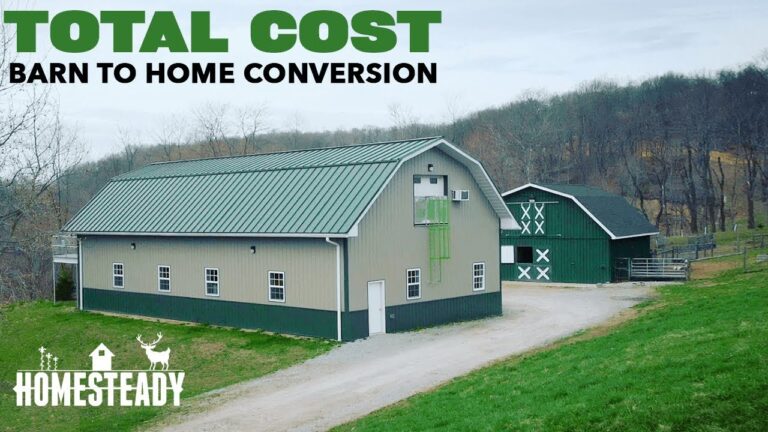
The Transformation Journey: Converting A Barn Into A House
In this article
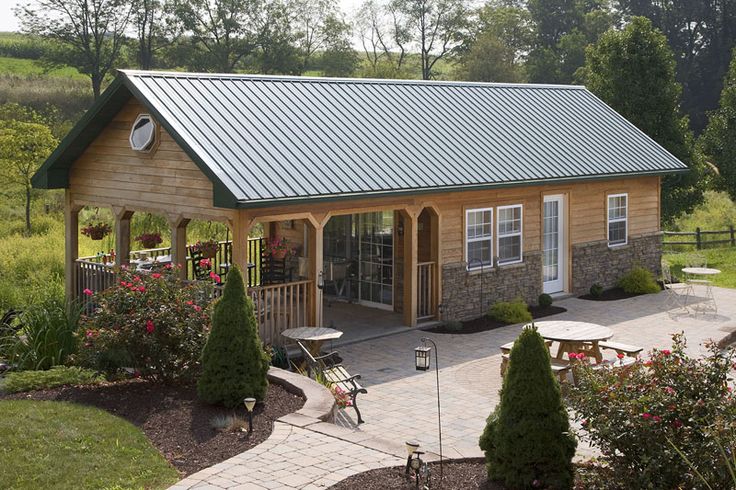
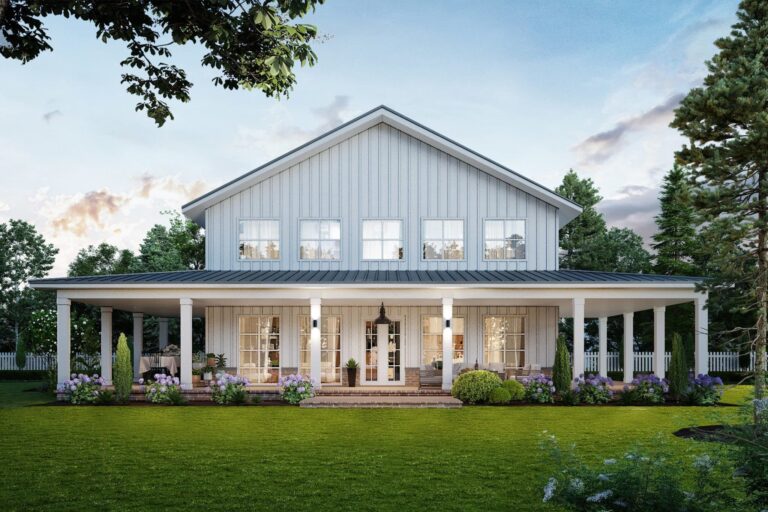
Converting a barn into a house is a fascinating transformation journey that combines history, creativity, and practicality. From the rustic charm of a weathered barn to the cozy comforts of a modern home, this process involves a careful balance of preserving the character of the original structure while adapting it to meet contemporary living needs. It’s an exciting challenge that requires skilled craftsmanship and innovative design.
The transformation journey of converting a barn into a house is not only about creating a unique living space but also an opportunity to repurpose a piece of history. Barns, with their sturdy structures and spacious interiors, have a rich cultural heritage rooted in agriculture. By transforming them into homes, we not only honor their past but also contribute to sustainable living by repurposing existing structures instead of building from scratch. With the right planning and execution, converting a barn into a house can be a practical and environmentally-friendly solution for those seeking a one-of-a-kind home.
Converting a barn into a house is a challenging but rewarding journey. Start by assessing the barn’s structure and making any necessary repairs. Next, design a floor plan that maximizes the space while maintaining the barn’s character. Insulate the walls, roof, and floors for energy efficiency. Install plumbing and electrical systems to meet modern living standards. Finally, add finishing touches like flooring, windows, and furnishings to create a comfortable home. With careful planning and skilled craftsmanship, a barn can be transformed into a beautiful and unique house.

The Practical Considerations of Converting a Barn into a House
Converting a barn into a house is a unique and exciting architectural adventure that offers a blend of rustic charm and modern living. Many people are drawn to the idea of transforming a barn into their dream home, but it’s important to consider the practical aspects before embarking on this journey. From structural considerations to zoning regulations, there are several factors to keep in mind. In this article, we will explore the step-by-step transformation journey of converting a barn into a house, providing insights and guidance throughout the process.
Assessing the Structural Integrity of the Barn
Before embarking on a barn conversion project, it is crucial to assess the structural integrity of the existing barn. Barns are typically constructed with large timber frames and wooden trusses, which may have aged or experienced damage over time. It is essential to examine the foundation, walls, roof, and beams for any signs of rot, decay, or instability. Consulting with a structural engineer or an experienced contractor is highly recommended to ensure the safety and stability of the future house. They can assess the overall condition of the barn and provide recommendations or necessary repairs before proceeding with the conversion.
Furthermore, barns are often designed to withstand the specific weight and forces associated with their agricultural purposes. When converting a barn into a house, additional considerations must be made to meet the requirements of residential living. This may involve reinforcing the structure, adding new load-bearing walls, or improving the insulation for energy efficiency. By thoroughly assessing the structural integrity and making the necessary modifications, homeowners can ensure a safe and comfortable living space within the barn.
Additionally, it is important to consider the unique characteristics of the barn, such as its architectural style and historical significance. Preserving these features can add value to the converted house and create a harmonious blend of the old and the new. Collaboration with architects or preservation experts can help in retaining the barn’s original charm while integrating modern amenities seamlessly.
Overall, assessing the structural integrity of the barn is a crucial step in the transformation journey. It ensures the safety and stability of the future house while preserving the unique features that make the barn conversion so appealing.
Addressing Zoning and Building Regulations
One of the most critical aspects of converting a barn into a house is understanding and complying with zoning and building regulations. These regulations vary from region to region and are designed to ensure the safety, functionality, and aesthetics of the built environment. Before starting any conversion work, it is essential to research and consult with local authorities or planning departments to obtain the necessary permits and approvals.
Zoning regulations typically define the allowable uses of a property based on its designated zone, which may be residential, agricultural, or commercial. It is important to confirm that the barn can be legally converted into a residential dwelling and that it meets all the criteria set forth by the local zoning ordinances. Some areas may have additional restrictions on architectural styles, setback requirements, or even the total square footage of the converted structure.
Building regulations, on the other hand, focus on the structural and safety standards of the construction project. These regulations dictate the minimum requirements for aspects such as electrical systems, plumbing, insulation, fire safety, and accessibility. It is essential to work with professionals who are familiar with these regulations to ensure compliance throughout the conversion process. Engaging an architect or contractor experienced in barn conversions can help navigate the complexities of zoning and building regulations.
By addressing zoning and building regulations early in the conversion journey, homeowners can avoid potential legal issues and ensure that the project proceeds smoothly in accordance with all necessary permits and approvals.
Designing the Layout and Functional Spaces
Designing the layout and functional spaces of a converted barn is a crucial aspect of the transformation journey. Unlike traditional houses, barns often have large open spaces with high ceilings, which present both opportunities and challenges. It is important to carefully plan the usage of these spaces to create a functional and livable home.
The first step in designing the layout is to identify the essential spaces required for a modern home, such as bedrooms, bathrooms, kitchen, living areas, and storage. However, it is also vital to consider the existing architectural features and highlight them in the design. For example, exposed wooden beams or a grand entrance can be incorporated into the overall aesthetic of the house.
Creating distinct zones within the open spaces can help define different functional areas. For instance, using furniture or cabinetry to delineate the living room from the kitchen or bedroom can establish visual boundaries while maintaining the open feel of the barn. It is also crucial to consider the placement of windows and natural light sources to optimize the interior lighting and connect the indoor spaces with the surrounding landscape.
During the design process, it is important to strike a balance between preserving the barn’s unique character and incorporating modern amenities and comforts. This could involve installing energy-efficient heating and cooling systems, creating ample storage solutions, or incorporating sustainable design principles. Collaborating with an experienced architect or designer who specializes in barn conversions can help transform the barn into a harmonious and functional living space that meets the needs and desires of the homeowners.
Choosing the Right Materials and Finishes
Choosing the right materials and finishes is a crucial aspect of converting a barn into a house. These choices can significantly enhance the overall aesthetic appeal, durability, and functionality of the transformed space. When selecting materials, it is important to consider sustainability, maintenance requirements, and compatibility with the barn’s existing structure.
For the interior finishes, options such as exposed brick, reclaimed wood, and polished concrete can add a touch of rustic charm while maintaining a contemporary feel. These materials can also help highlight the unique architectural elements of the barn, creating a visually appealing space.
When it comes to insulation, it is crucial to choose materials that provide optimal thermal efficiency for the specific climate. This will help maintain a comfortable indoor temperature and reduce energy consumption. Additionally, selecting energy-efficient windows and doors can contribute to the overall sustainability of the converted barn.
Considering the exterior finishes is equally important in preserving the barn’s overall aesthetic while ensuring durability and weather resistance. Options such as natural stone, wood siding, or metal cladding can be chosen to complement the architectural style and blend harmoniously with the surrounding environment.
Overall, choosing the right materials and finishes is essential in achieving a visually appealing, sustainable, and comfortable living space within the converted barn.
The Artistic Transformation of a Barn into a House
Converting a barn into a house is not just a process of utilizing the existing structure; it is also an artistic transformation that celebrates the uniqueness of the space. Artists, designers, and architects have long embraced the idea of repurposing barns into unconventional living environments that merge creativity and functionality. In this section, we will explore the artistic considerations and creative approaches involved in converting a barn into a house.
Embracing the Barn’s Character and History
One of the key aspects of the artistic transformation of a barn into a house is embracing and celebrating the character and history of the existing structure. Barns often possess unique architectural features, such as weathered wood, exposed beams, or rustic details, which contribute to their charm. These features can be incorporated into the design of the converted house to create a sense of authenticity and connection to the past.
Preserving the barn’s character can involve various artistic approaches, such as leaving the original patina on the wood, repurposing salvaged materials, or integrating artistic elements that pay homage to the building’s agricultural heritage. This creates a rich tapestry of textures, colors, and history that adds depth and personality to the transformed space.
Collaborating with artists, craftsmen, or artisans who specialize in repurposing materials or creating bespoke pieces can elevate the artistic aspect of the barn conversion. They can contribute unique installations, sculptures, or custom-made furniture that enhance the overall aesthetic and tell a story within the space.
Integrating Art and Design Elements
Integrating art and design elements is another way to enhance the artistic transformation of a barn into a house. This can involve using unique lighting fixtures, creating custom interior finishes, or incorporating artistic installations that interact with the spatial layout.
Lighting plays a crucial role in both the functionality and ambiance of a living space. Choosing creative and artistic lighting fixtures can become statement pieces that add flair and visual interest to the overall design. Pendant lights, sculptural chandeliers, or wall sconces with artistic appeal can become focal points and conversation starters within the converted barn.
Custom interior finishes, such as hand-painted murals, textured wall coverings, or unique floor treatments, can also contribute to the artistic transformation. These elements can add depth, dimension, and a personal touch to the interior spaces, creating a truly one-of-a-kind living environment.
Installing artistic installations or sculptures can become focal points within the converted barn. These pieces can interact with the spatial layout and create a dialogue between the old and new elements of the space. They can also serve as a reflection of the homeowner’s personal taste or beliefs, adding layers of meaning and artistic expression to the overall design.
Creating Indoor-Outdoor Connections
The artistic transformation of a barn into a house can also involve creating seamless indoor-outdoor connections that embrace the natural surroundings. Barns often have large doors, windows, or even haylofts that can be repurposed to blur the boundaries between the interior and exterior spaces.
Integrating outdoor living areas, such as patios, decks, or gardens, can extend the artistic transformation beyond the confines of the barn. These spaces can serve as an extension of the living area and provide opportunities for relaxation, entertainment, and appreciation of the natural environment.
Incorporating biophilic design principles, such as large windows framing scenic views or interior gardens, can further enhance the indoor-outdoor connection and create a sense of harmony and tranquility within the converted barn.
The artistic transformation of a barn into a house celebrates creativity, history, and personal expression. It invites imagination and artistic exploration to create a living space that is truly unique and reflective of the homeowner’s individuality.
In conclusion, the transformation journey of converting a barn into a house involves a careful assessment of the structural integrity, compliance with zoning and building regulations, thoughtful design, and artistic considerations. By combining practicality with creativity, homeowners can turn a rustic barn into a remarkable and functional living space that retains its original character while accommodating modern living. The journey of converting a barn into a house is an adventure that encompasses both technical challenges and artistic expression, resulting in a truly exceptional home.
The Transformation Journey: Converting a Barn into a House
Converting a barn into a house is a challenging and rewarding transformation journey. It requires careful planning, creativity, and skilled craftsmanship. The process involves repurposing the existing structure, while preserving its unique character and charm.
The first step in this transformation journey is to assess the barn’s structural integrity and stability. A professional architect or engineer can help evaluate the feasibility of the conversion and suggest any necessary structural modifications.
Once the structural assessment is complete, the next phase involves designing the layout and floor plan. This includes determining the placement of bedrooms, bathrooms, kitchen, living spaces, and other necessary amenities. Utilizing the existing features of the barn, such as high ceilings, open floor plans, and abundant natural light, adds to the unique charm of the converted house.
The transformation process also involves insulation, ventilation, and soundproofing to ensure the house is comfortable and energy-efficient. Upgrading the electrical and plumbing systems, as well as adding modern fixtures and finishes, enhances the functionality and aesthetics of the converted space.
Throughout the transformation journey, it is important to consider the barn’s history and architectural style. Preserving and showcasing original elements, such as exposed beams, woodwork, or stone walls, adds character and tells the story of the barn’s past.
The Transformation Journey: Converting a Barn into a House – Key Takeaways
- A barn can be transformed into a beautiful and functional living space.
- The transformation process involves various steps from planning to execution.
- Proper insulation is crucial to ensure comfort and energy efficiency.
- Reconfiguring the interior layout allows for customization and optimal use of space.
- Preserving the barn’s unique architectural features adds character to the house.
Frequently Asked Questions
Thinking of converting a barn into a house? Here are some common questions people have about the transformation journey:
1. Can any barn be converted into a house?
Not all barns are suitable for conversion into a house. It depends on several factors such as the condition of the existing structure, the structural integrity, local building codes, and zoning regulations. It’s best to consult with an architect or a building professional who specializes in barn conversions to assess the feasibility of your specific barn.
If it is determined that your barn can be converted, there may be certain modifications and upgrades required to meet the necessary standards for a residential dwelling, such as insulation, plumbing, electrical systems, and heating.
2. How long does the conversion process take?
The duration of the conversion process can vary depending on the size and complexity of the project, as well as any unforeseen challenges that may arise during construction. On average, converting a barn into a house can take anywhere from several months to a year or more.
It’s important to note that the timeline can be impacted by factors such as obtaining necessary permits, weather conditions, availability of labor and materials, and the extent of renovations required. Working with a knowledgeable contractor can help ensure the process is efficient and streamlined.
3. How much does it cost to convert a barn into a house?
The cost of converting a barn into a house can vary significantly depending on various factors, including the size and condition of the barn, the extent of renovations required, and the level of finishes and materials chosen.
As a rough estimate, the cost can range from $100 to $200 per square foot. However, it’s important to consult with contractors and architects to get an accurate assessment of the potential costs involved in your specific project. They can provide detailed estimates based on your design and specifications.
4. What are the main considerations when converting a barn into a house?
When converting a barn into a house, there are several key considerations to keep in mind:
1. Structural Integrity: Ensure that the barn’s structure is sound and capable of supporting the required modifications and additional load of a residential space.
2. Building Regulations: Familiarize yourself with local building codes and regulations to ensure compliance throughout the conversion process.
3. Utilities and Services: Determine how utilities such as plumbing, electrical, and heating systems will be integrated into the converted space. Consider the accessibility and cost of these services.
4. Design and Layout: Plan the interior layout and design of your converted barn to optimize functionality and aesthetics. Consider factors such as natural light, space utilization, and the preservation of existing architectural features.
5. Are there any advantages to converting a barn into a house?
Yes, there are several advantages to converting a barn into a house:
1. Unique Character: Barn conversions offer a unique blend of rustic charm and modern living. The existing architectural features of the barn can add character and create a one-of-a-kind home.
2. Spaciousness: Barns often provide ample space, which can be transformed into open-concept living areas, large bedrooms, or multipurpose rooms.
3. Cost Savings: Converting a barn can be more cost-effective compared to building a new house from scratch, as the existing structure provides a solid foundation to work with.
4. Sustainability: By repurposing an existing structure, barn conversions promote sustainability by reducing the need for new construction materials and minimizing the impact on the environment.
Converting a barn into a house is an exciting and challenging journey. It requires careful planning, skilled craftsmanship, and a clear vision.
Throughout the process, there are many important considerations such as structural modifications, insulation, plumbing, and electrical work. It is crucial to work with professionals who have experience in barn conversions to ensure the project’s success.
Additionally, the transformation journey involves preserving the unique character of the barn while creating a comfortable and functional living space. This can be achieved by incorporating original features like exposed beams, repurposing materials, and optimizing natural light.
By converting a barn into a house, homeowners can enjoy the benefits of spacious, open-plan living, with the rustic charm and history of a traditional structure. It is a rewarding process that brings new life to an old building and creates a one-of-a-kind home.