Vertical Efficiency: 2 Story Shop House Floor Plans
In this article
When it comes to maximizing space in two-story shop house floor plans, vertical efficiency is key. Instead of sprawling horizontally, these floor plans utilize the height of the building to create functional and efficient spaces. By thinking vertically, you can make the most of every square foot and create a truly unique living or working space.
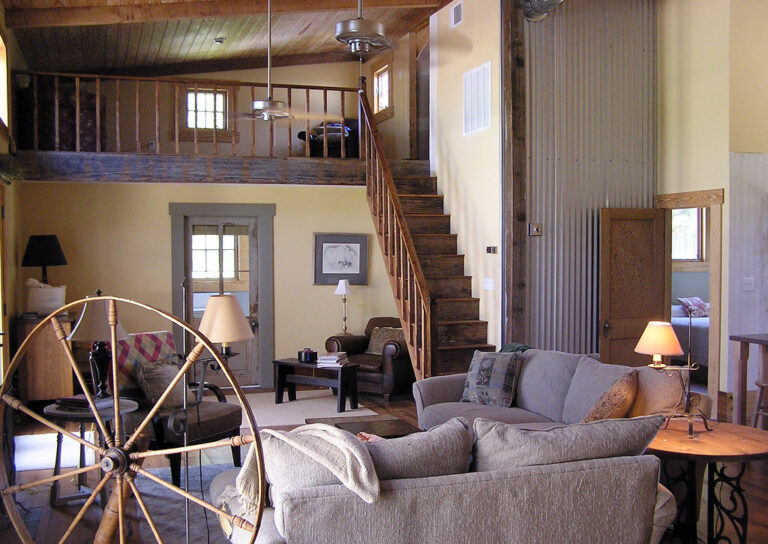
Vertical efficiency in 2-story shop house floor plans is achieved through thoughtful design and utilization of space. By incorporating features such as mezzanines, lofts, or double-height ceilings, you can create a sense of openness and maximize storage and living areas. These floor plans are particularly suitable for small or narrow lots, as they allow for flexible and multi-purpose spaces. With vertical efficiency, you can create a functional and aesthetically pleasing shop house that meets your needs and makes the most of the available space.
Optimize your space with 2-story shop house floor plans designed for vertical efficiency. These floor plans maximize the use of available space, making the most out of every square foot. With well-planned layouts that prioritize functionality and productivity, these designs offer ample room for workspaces, storage, and living areas. Create a multi-functional space that suits your needs without sacrificing style. Invest in 2-story shop house floor plans to maximize vertical efficiency and create a space that is both practical and aesthetically pleasing.

Vertical Efficiency: 2 Story Shop House Floor Plans
When it comes to shop house floor plans, vertical efficiency is a crucial consideration. Building a two-story shop house allows for optimal use of space, providing both a functional workspace and comfortable living quarters. This unique aspect of shop house design offers various benefits, from maximizing floor area to creating a versatile and efficient layout. In this article, we will delve into the details of vertical efficiency in two-story shop house floor plans, exploring different dimensions and highlighting key elements for creating a well-designed and practical space.
Benefits of Vertical Efficiency
One of the primary advantages of incorporating vertical efficiency into a two-story shop house floor plan is the maximization of floor area. By utilizing two levels, you can effectively double the available space without increasing the building’s footprint. This is especially beneficial in urban areas where land is often limited. Moreover, vertical efficiency allows for the separation of different functional areas, creating distinct work zones on the ground floor and private living spaces on the upper level.
Another benefit of vertical efficiency is the flexibility it offers in terms of design and layout. With two floors, you have more freedom to customize the space according to your specific needs. Whether you require a spacious workshop, additional storage, or separate rooms for different purposes, a two-story shop house floor plan allows for greater versatility in accommodating various functions. This adaptability is particularly advantageous for businesses that may evolve or expand in the future, as it provides room for growth and adaptation.
Vertical efficiency also enhances privacy and promotes a better work-life balance. With separate living quarters on the upper level, shop owners can maintain a clear boundary between their personal and professional lives. This separation can significantly improve relaxation and promote a healthier mindset, reducing the stress associated with constantly being surrounded by work-related activities. Additionally, the privacy provided by a two-story shop house allows for a more comfortable and welcoming living environment.
Finally, vertical efficiency in two-story shop house floor plans contributes to improved energy efficiency. By consolidating the workspace and living area in a vertical arrangement, it becomes easier to implement energy-efficient features such as proper insulation, natural lighting strategies, and effective heating and cooling systems. This not only reduces energy consumption and lowers utility bills but also has a positive impact on the environment. Well-planned two-story shop houses can achieve a balance between functionality, aesthetics, and sustainability.
Design Considerations for Vertical Efficiency
Creating a vertically efficient two-story shop house floor plan requires careful consideration of several design elements. Here are some key factors to keep in mind:
- Space optimization: Efficient space utilization is crucial. Prioritize functional areas and ensure that each space is tailored to its intended purpose. Consider the flow between rooms and the overall usability of the space.
- Staircase placement: The placement of the staircase is a critical aspect of vertical efficiency. Opt for a compact and strategically located staircase that minimizes space usage while providing ease of access between levels.
- Natural lighting and ventilation: Incorporate designs that maximize natural light and ventilation throughout the shop house. This not only enhances the overall ambiance but also reduces reliance on artificial lighting and cooling systems, contributing to energy efficiency.
Furthermore, it’s essential to consider the overall aesthetics and architectural style of the shop house. The design should reflect the unique identity of the business or the homeowner’s personal taste while ensuring coherence between the ground and upper levels. Additionally, prioritize the use of durable and sustainable materials that will withstand the test of time and require minimal maintenance.
When designing for vertical efficiency, it can also be beneficial to consult with professionals, such as architects or interior designers, who specialize in shop house floor plans. Their expertise and knowledge of spatial organization can help optimize the design, ensuring a harmonious balance between functionality and aesthetic appeal.
Examples of Vertical Efficiency in Shop House Floor Plans
Let’s explore some examples of two-story shop house floor plans that demonstrate effective vertical efficiency:
| Shop House | Ground Floor Features | Upper Level Features |
| Example 1 | Spacious retail area with display shelves | Living room, kitchen, and dining area |
| Example 2 | Workshop area with specialized machinery | Bedrooms, bathrooms, and study area |
| Example 3 | Café with seating and food preparation area | Cozy lounge, bedrooms, and home office |
These examples illustrate how a two-story shop house floor plan can effectively divide the space, providing a dedicated area for business operations on the ground floor and comfortable living spaces on the upper level. This arrangement optimizes both functionality and privacy, helping to create a well-balanced and efficient shop house.
Optimizing Vertical Efficiency in Different Industries
The concept of vertical efficiency can be applied to various industries and businesses. Let’s explore how different sectors can benefit from this design approach:
Retail and Merchandising
In the retail industry, vertical efficiency allows for an attractive and well-organized shopping area on the ground floor, while the upper level can accommodate storage, office space, or even a staff break room. This design ensures efficient stock management and easy access to products, enhancing the customer experience.
Furthermore, for businesses that produce or sell larger items, such as furniture or appliances, vertical efficiency enables the display of full-scale product models on the ground floor while utilizing the upper level for additional showroom space or customer consultation areas.
By optimizing vertical efficiency, retailers can make the most of their floor space, improve customer engagement, and create a visually appealing environment that showcases their products effectively.
Creative Studios and Workshops
Creative studios, such as photography studios, art galleries, or design workshops, can greatly benefit from a two-story shop house floor plan. The ground floor can house the main studio or display area, while the upper level can serve as a dedicated workspace or a gallery for showcasing completed projects.
Additionally, vertical efficiency allows for the segregation of noise-producing activities, such as printing or machinery operation, on the ground floor. This separation ensures a quieter and more focused environment on the upper level, promoting productivity and concentration.
The division of space in creative studios and workshops enables a better workflow and provides the opportunity for collaboration or client meetings in designated areas, improving the overall efficiency of the business.
Food and Beverage Establishments
In the food and beverage industry, a two-story shop house floor plan offers a range of possibilities. The ground floor can be dedicated to food preparation, cooking, and seating for customers, while the upper level can house additional seating, a bar area, or even a private event space.
Vertical efficiency is especially advantageous for popular restaurants or cafés that experience high customer traffic. The ability to expand seating capacity to the upper level helps accommodate more patrons without compromising their comfort or overall dining experience.
By capitalizing on vertical efficiency, food and beverage establishments can facilitate efficient service, create a memorable atmosphere, and generate higher revenue due to increased seating capacity.
Residential and Home Offices
For homeowners seeking a live-work arrangement, a two-story shop house floor plan offers the ideal solution. The ground floor can house a home office, meeting room, or even a small retail space, while the upper level provides ample living quarters.
Vertical efficiency in this context ensures separation between personal and professional spaces, allowing individuals to maintain a healthy work-life balance. It also offers the convenience of a short commute to the office and the flexibility to adapt the space as needs change over time.
By combining residential and business functions in a two-story shop house, homeowners can enjoy the benefits of convenience, privacy, and cost-effectiveness.
Innovative Approaches to Vertical Efficiency
In addition to the traditional design principles of vertical efficiency, there are innovative approaches that can further optimize space utilization in two-story shop houses:
Slide-Out Compartments and Storage Solutions
Slide-out compartments and hidden storage solutions allow for the creative use of otherwise underutilized spaces. These can include built-in shelving units, foldable furniture, or retractable walls that provide additional storage or transform rooms to suit different purposes.
By incorporating such space-saving solutions, shop house owners can maximize the efficiency of both visual and hidden storage, ensuring a clutter-free and well-organized space.
Vertical Gardens and Green Spaces
Integrating vertical gardens and green spaces into two-story shop house designs can bring numerous benefits. Not only do they provide visual appeal and a connection to nature, but they also improve air quality, reduce ambient temperature, and enhance overall well-being.
Vertical gardens can be incorporated through living walls, suspended planters, or rooftop green spaces. These additions not only optimize vertical efficiency but also contribute to a more sustainable and eco-friendly environment.
Smart Home Technology Integration
The integration of smart home technology can significantly enhance the efficiency and functionality of a two-story shop house. Automated systems for lighting, temperature regulation, security, and entertainment can be incorporated to optimize energy usage, improve convenience, and create a more comfortable living and working environment.
By utilizing smart home technology, occupants can have complete control over their shop houses, with the ability to customize settings and monitor energy consumption with ease.
Modular Furniture and Versatile Layouts
Modular furniture and versatile layouts provide flexibility and adaptability in a two-story shop house. By utilizing furniture that can be easily rearranged or multi-functional pieces that serve multiple purposes, owners can change the layout according to their evolving needs.
Moreover, by incorporating open floor plans and flexible partitions, shop houses can accommodate various activities and be easily reconfigured as required, maximizing the use of available space.
Conclusion
Vertical efficiency in two-story shop house floor plans offers numerous benefits, from increased floor area and design flexibility to improved privacy and energy efficiency. By carefully considering design elements, such as space optimization, staircase placement, natural lighting, and materials, shop house owners can create a well-designed and practical space.
Furthermore, vertical efficiency can be optimized for different industries and businesses, including retail, creative studios, food and beverage establishments, and residential home offices. These tailored designs ensure that the shop houses meet the specific requirements of each sector, enhancing functionality and promoting a successful venture.
By embracing innovative approaches, such as slide-out compartments, vertical gardens, smart home technology, and modular furniture, shop house owners can further enhance the efficiency and versatility of their spaces. These advancements contribute to an optimized living and working environment, promoting productivity, well-being, and sustainability.
Vertical Efficiency: 2 Story Shop House Floor Plans
When it comes to designing a 2-story shop house, vertical efficiency is key. This layout maximizes space and ensures optimal functionality for both the commercial and residential areas. With careful planning and design, a 2-story shop house can offer a seamless integration of business and living spaces.
One of the main advantages of a 2-story shop house floor plan is the ability to separate the business area from the living space. This allows for better privacy and convenience. The ground floor can be utilized as the commercial area with a shop or office, while the upper floor can serve as a comfortable living space.
Additionally, vertical efficiency in a 2-story shop house floor plan enables the use of vertical circulation elements such as stairs or elevators, minimizing the need for excessive horizontal walking. This ensures efficient movement between different levels of the building.
Furthermore, thoughtful placement of windows and natural light sources throughout the shop house can enhance the overall ambiance and energy efficiency. This allows for a pleasant and well-lit environment, reducing the need for artificial lighting during the day.
In conclusion, 2-story shop house floor plans designed with vertical efficiency in mind offer a practical and functional solution for combining commercial and residential spaces. The layout provides privacy, convenience, and efficient circulation, making it an ideal choice for entrepreneurs and their families.
Key Takeaways: Vertical Efficiency – 2 Story Shop House Floor Plans
- Vertical efficiency in 2-story shop house floor plans maximizes space utilization.
- Staircases can be strategically designed to save space and enhance flow.
- Smart storage solutions are crucial for optimizing vertical space in shop houses.
- Open floor plans and high ceilings create a sense of spaciousness.
- Proper lighting design can enhance the vertical visual appeal of shop house interiors.
Frequently Asked Questions
Below are some commonly asked questions about vertical efficiency and 2 story shop house floor plans:
1. What does vertical efficiency mean in the context of 2 story shop house floor plans?
Vertical efficiency in the context of 2 story shop house floor plans refers to the effective use of vertical space within the building. It involves designing the floor plans in a way that maximizes the available space and allows for multiple levels of functionality. Vertical efficiency ensures that every inch of the shop house is utilized efficiently, creating a well-organized and functional space.
By utilizing vertical efficiency techniques, the 2 story shop house floor plans can include features such as mezzanines, lofts, or split-level designs. These features make the most of the available vertical space, providing additional areas for storage, workspaces, or living areas. This allows for a more compact footprint while still providing ample space for various activities.
2. How can vertical efficiency be incorporated into 2 story shop house floor plans?
There are several ways to incorporate vertical efficiency into 2 story shop house floor plans:
– Utilizing mezzanines or lofts to create additional work or living spaces on the upper level while maintaining an open and spacious layout on the lower level.
– Including high ceilings to create a sense of spaciousness and allow for vertical storage solutions such as tall shelves or ceiling-mounted racks.
– Incorporating staircases with built-in storage or design elements that serve multiple functions, such as bookshelves or display areas.
– Using efficient furniture arrangements that make the most of the available space and allow for easy movement between levels.
3. What are the benefits of vertical efficiency in 2 story shop house floor plans?
Vertical efficiency in 2 story shop house floor plans offers several benefits:
– Maximizing the use of available space, allowing for more functionality within a compact footprint.
– Creating a visually appealing and interesting space with various levels, which can enhance the overall design and aesthetics of the shop house.
– Improving the flow and organization of the space, making it easier to navigate between different areas and optimizing the overall usability.
– Allowing for more efficient storage solutions, as vertical space can be utilized for shelving, racks, or other storage systems.
4. Are there any limitations to vertical efficiency in 2 story shop house floor plans?
While vertical efficiency can offer many benefits, there are some limitations to consider:
– Vertical efficiency may require careful planning and design to ensure proper structural support, especially when incorporating mezzanines or lofts.
– Depending on the height restrictions of the building site or local regulations, there may be limitations on how high a shop house can be built, impacting the available vertical space.
– Vertical efficiency may require additional investment in specialized furniture or storage solutions that are designed to make the most of the available vertical space.
5. Can vertical efficiency be applied to other types of buildings?
Yes, vertical efficiency principles can also be applied to other types of buildings, such as residential homes, office spaces, or retail establishments. By utilizing vertical space effectively, it is possible to create more functional and versatile spaces in various architectural contexts. Vertical efficiency can be particularly beneficial in urban environments where space is limited and maximizing available square footage is crucial.
To sum up, 2-story shop house floor plans offer a vertical solution for maximizing space and improving efficiency. These floor plans provide the opportunity to separate the retail space on the ground floor from the living or office space on the upper level. This arrangement allows for easy access to customers on the ground floor while maintaining privacy and convenience on the upper level.
Additionally, the vertical layout of these floor plans allows for better utilization of limited urban space. By building upwards, property owners can make the most of their lot size and capitalize on the high demand for urban retail and office spaces. The two stories provide ample room for various business operations, providing flexibility and potential for growth.