Weighing Your Options: The Pros And Cons Of A-Frame Houses
In this article
When considering different home designs, one option that often stands out is the A-frame house. These unique structures have gained popularity for their striking appearance and efficient use of space. However, before making a decision, it’s important to weigh the pros and cons of A-frame houses to determine if they are the right fit for your needs and lifestyle.
A-frame houses have a rich history that dates back to the mid-20th century. Originally popularized as vacation homes in mountainous areas, A-frame houses soon became popular for their affordability and ease of construction. A significant advantage of A-frame houses is their ability to withstand heavy snow loads due to their steep roof design, making them suitable for colder climates and mountainous regions. Additionally, the open floor plan and high ceilings create a sense of spaciousness within a compact footprint, making them ideal for those looking for a unique and aesthetically pleasing living space. With their distinctive architectural style and practical advantages, A-frame houses offer an appealing option to consider.
When considering A-Frame houses, it’s important to weigh the pros and cons. On the positive side, A-Frame houses are known for their unique architectural design, which provides a modern and stylish look. They are also cost-effective, as they require less building material and offer energy efficiency. However, A-Frame houses have some drawbacks too. The sloping roof limits headspace on the upper floor, making it less suitable for tall individuals. Additionally, the interior layout can be challenging due to the triangular shape. Carefully considering these pros and cons will help you make an informed decision when choosing the right house style for you.

The Charm and Challenges of A-Frame Houses
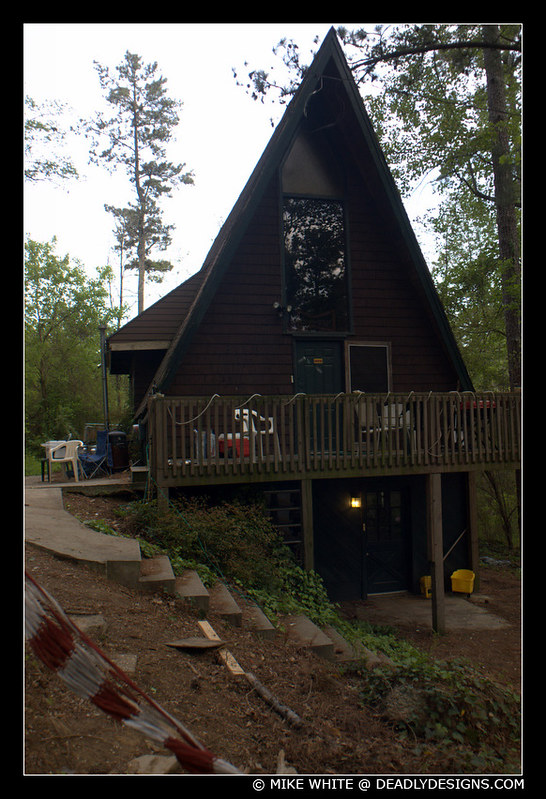
A-Frame houses, also known as triangle houses, are a unique architectural style that has gained popularity over the years. These houses are characterized by their distinctive A-shaped roofs, which slope all the way to the ground. Originating in the 1950s, A-Frame houses have a charming and rustic appeal that attracts many homeowners. However, like any architectural style, A-Frame houses have their own set of pros and cons to consider before making a decision. In this article, we will explore the different aspects of A-Frame houses and weigh their advantages and disadvantages.
Pros of A-Frame Houses
1. Unique and Aesthetically Pleasing
One of the major advantages of A-Frame houses is their unique and aesthetically pleasing design. The triangular shape of the roof creates a visually striking look that stands out from traditional housing styles. The clean lines, steep roof, and open floor plans of A-Frame houses give them a modern and minimalist appeal. These houses are often associated with vacation homes and cabins, adding to their charm and allure.
Moreover, the unique architecture of A-Frame houses allows for creative interior design opportunities. The high vaulted ceilings and open living spaces provide a sense of spaciousness and allow for creative decorating options. The exposed beams and large windows add character and allow natural light to flood the interiors, creating a warm and inviting atmosphere.
A-Frame houses also blend well with natural surroundings, making them popular in scenic locations. The tall roofs and sloping angles complement the surrounding landscape, whether it be in the mountains, near a lake, or by the beach. These houses can provide breathtaking views from their large windows and decks.
2. Affordable and Cost-Efficient
A-Frame houses are often more affordable compared to traditional homes. The simplicity of their design and construction reduces material and labor costs. Additionally, their compact size makes them efficient in terms of heating and cooling, resulting in lower energy bills.
Furthermore, A-Frame houses can be constructed relatively quickly and easily. Prefabricated kits are available, allowing for a streamlined construction process. These kits include pre-cut materials and detailed instructions, making it easier for individuals with basic construction skills to build their own A-Frame houses. This can save both time and money, making A-Frame houses an attractive option for those on a budget.
Additionally, the durability of A-Frame houses should not be underestimated. The angled roofs help shed snow and rain, preventing water damage. The simplicity of the design also means fewer maintenance requirements, reducing long-term costs.
3. Versatile and Adaptable
A-Frame houses offer versatility in their use and adaptability to different settings. These houses can serve as primary residences, vacation retreats, or even commercial spaces. The open floor plans allow for flexible interior layouts, accommodating various living arrangements and design preferences.
Furthermore, A-Frame houses can be easily expanded or modified to meet changing needs. The triangular shape of the roof provides ample attic space, which can be converted into additional bedrooms, storage areas, or recreational spaces. This adaptability makes A-Frame houses a great long-term investment, as they can grow and evolve with the needs of the homeowners.
Another advantage of A-Frame houses is their portability. Some A-Frame houses are designed to be mobile or modular, allowing them to be transported to different locations as needed. This flexibility is especially appealing for those who desire a vacation home that can be moved to different scenic spots.
4. Environmentally Friendly
A-Frame houses can be environmentally friendly, depending on the materials used and construction practices. The compact design of these houses allows for efficient heating and cooling systems, reducing energy consumption. Additionally, the use of sustainable materials, such as reclaimed wood or eco-friendly insulation, can further enhance the eco-friendliness of A-Frame houses.
Furthermore, the durable nature of A-Frame houses means that they can have a longer lifespan compared to some other housing styles. This reduces the need for frequent renovations or rebuilding, which can contribute to a more sustainable lifestyle.
Cons of A-Frame Houses
1. Limited Space and Headroom
While the A-Frame design has its advantages, it also presents some challenges. One of the main drawbacks is the limited space and headroom in certain areas of the house. The steeply sloping roof can restrict the usable space on the upper levels, especially towards the edges. This can make it challenging to fully utilize the attic space for storage or living purposes.
The limited headroom can also be a concern for taller individuals. The angled walls and low ceilings of A-Frame houses can feel restrictive and may require some adjustment for those accustomed to more spacious living areas.
Additionally, the open floor plans that are often celebrated in A-Frame houses can also limit the privacy of individual rooms. The triangular shape of the house means that there are fewer walls to separate the different living spaces, which may not be ideal for those seeking more privacy or noise isolation.
2. Maintenance Challenges
A-Frame houses, like any other architectural style, come with their maintenance challenges. The design of the roof can make it difficult to access and clean the gutters, leading to potential water damage if not properly maintained. The large windows, while providing ample natural light, may also require regular cleaning to keep them spotless.
Additionally, the steep pitch of the roof can make it challenging to perform exterior maintenance tasks such as painting or repairs. This may require additional equipment and precautions to ensure the safety of those working on the house.
Furthermore, the durability of A-Frame houses can be compromised if not constructed and maintained properly. Water leakage can be a potential problem if the flashing or roofing materials are not installed correctly. Proper insulation and ventilation are also important to prevent moisture buildup or condensation issues.
3. Limited Design Flexibility
While A-Frame houses offer creative interior design options, the exterior design is relatively fixed. The A-Frame shape does not lend itself to significant alterations or additions without compromising the integrity of the design. This limited design flexibility may not appeal to those who prefer a more eclectic or customizable look for their homes.
Additionally, the triangular shape of A-Frame houses can result in less usable wall space compared to traditional rectangular-shaped homes. This can pose challenges when it comes to hanging artwork, shelving, or arranging furniture.
In Conclusion
Weighing your options when it comes to A-Frame houses is essential. While these houses offer a unique charm and many advantages, they also come with limitations and considerations. A-Frame houses appeal to those who appreciate the aesthetic appeal, affordability, adaptability, and eco-friendliness of this architectural style. However, the limited space, maintenance challenges, and design restrictions may not be suitable for everyone. It is crucial to thoroughly evaluate your needs and preferences before making a decision. Ultimately, whether you choose an A-Frame house or opt for a different architectural style, it is important to find a home that suits your lifestyle and brings you joy.
Weighing Your Options: The Pros and Cons of A-Frame Houses
A-Frame houses are unique and visually appealing structures that have gained popularity in recent years. They are characterized by their distinctive triangular shape that resembles the letter “A”. If you are considering building or buying an A-Frame house, it is important to weigh the pros and cons before making a decision.
One of the main advantages of A-Frame houses is their aesthetic appeal. The triangular shape gives them a modern and minimalist look that many find attractive. Additionally, the steep roof allows for efficient snow and water runoff, making them suitable for areas with heavy rain or snowfall.
However, A-Frame houses also have their drawbacks. The design limits the usable space on the upper levels due to the sloping roof, making it challenging to utilize the entire area effectively. The limited space and unique structural requirements also mean that customizing the interior can be more difficult and expensive compared to traditional homes.
Furthermore, the A-Frame design may not be suitable for larger families or those needing more living space. The steep roof can also pose challenges when it comes to maintenance and repairs. Additionally, the design may not blend well with the architectural style of the surrounding neighborhood.
In conclusion, A-Frame houses have their advantages in terms of aesthetics and efficient roof design. However, they also come with limitations in terms of space utilization and customization. It is important to carefully consider your needs and preferences before deciding whether an A-Frame house is the right choice for you.
Key Takeaways: Weighing Your Options: The Pros and Cons of A-Frame Houses
- A-Frame houses are a unique architectural style that offers both pros and cons.
- Pro: A-Frame houses have a stylish and eye-catching design that stands out.
- Con: A-Frame houses tend to have limited living space due to their triangular shape.
- Pro: A-Frame houses are generally more energy-efficient compared to traditional homes.
- Con: A-Frame houses can be more challenging to maintain and renovate.
Frequently Asked Questions
A-frame houses are a popular architectural choice for many homeowners. However, before making a decision to build or buy an A-frame house, it’s important to consider the pros and cons. Here are some commonly asked questions about A-frame houses and their answers:1. What are the advantages of owning an A-frame house?
One of the main advantages of owning an A-frame house is its unique and eye-catching design. The sloping roof and triangular shape of the house give it a distinctive look that stands out from traditional houses. A-frame houses are also known for their durability, as the steep roof helps to efficiently shed snow and rain, reducing the risk of leaks and water damage. Additionally, the open floor plan of an A-frame house provides flexibility in layout and allows for abundant natural light to enter the living spaces.
Another advantage of owning an A-frame house is its cost-effectiveness. A-frame houses are relatively smaller in size compared to traditional homes, which means they require less construction materials and are generally more affordable to build or buy. Moreover, their compact size makes them easier to maintain and requires less energy to heat and cool, resulting in lower utility bills. Additionally, A-frame houses are often built with sustainable and energy-efficient materials, making them an eco-friendly housing option.
2. What are the disadvantages of owning an A-frame house?
While A-frame houses have their advantages, there are also some disadvantages to consider. One of the potential drawbacks of owning an A-frame house is limited vertical space. The sloping roof design may limit the usable space on the upper level, making it challenging to fully utilize the entire house. Additionally, the angled walls in an A-frame house can sometimes make it difficult to arrange furniture or hang large artworks.
Another disadvantage of A-frame houses is the potential for higher heating and cooling costs. The tall ceilings and large windows that make A-frame houses appealing for natural light can also lead to increased energy usage. Heating or cooling the space evenly throughout the house may be more challenging, especially in extreme climates. Proper insulation and energy-efficient systems can help mitigate this issue, but it’s an important consideration for homeowners.
3. Can an A-frame house be expanded or renovated?
Yes, an A-frame house can be expanded or renovated, but it may require some additional planning and considerations due to the unique design of the house. Adding an extension to the house would need to take into account the existing slope of the roof and maintaining the structural integrity of the A-frame. Renovations that involve changes to the roofline or the supporting structure should be done with the assistance of a professional architect or engineer to ensure the stability and safety of the house.
When it comes to interior renovations, the open floor plan of an A-frame house provides flexibility in terms of layout changes. However, it’s important to consider the load-bearing capacity of the structure and consult with a professional if any major modifications are planned. With proper planning and expert guidance, A-frame houses can be expanded or renovated to suit the changing needs and preferences of homeowners.
4. Are A-frame houses suitable for all climates?
A-frame houses can be suitable for various climates, but their design may require certain adjustments depending on the location. The steep roof of an A-frame house is particularly beneficial in regions with heavy snowfall, as it helps to prevent excessive snow accumulation and reduces the risk of roof collapse. However, in hot climates, the large windows and tall ceilings can result in increased heat gain, making proper insulation and cooling systems essential for maintaining a comfortable indoor temperature.
Additionally, A-frame houses should be designed with proper ventilation to allow for adequate airflow and prevent moisture buildup, especially in humid climates. It’s important to consider insulation, air conditioning, and heating systems that are suitable for the specific climate to ensure optimal comfort and energy efficiency in an A-frame house.
5. Can I build an A-frame house myself?
Building an A-frame house yourself is possible, especially if you have experience in construction or are willing to invest time and effort into learning the necessary skills. There are various DIY plans and kits available that provide step-by-step instructions for building an A-frame house. However, it’s important to remember that constructing a house requires expertise in structural engineering, electrical and plumbing systems, and adherence to local building codes and regulations.
If you choose to build an A-frame house yourself, it’s recommended to consult with professionals, such as architects or contractors, to ensure the structural integrity and safety of
To wrap up, A-frame houses offer several advantages. They have a distinctive and appealing architectural style, providing a unique and eye-catching look for homeowners. Additionally, their triangular shape allows for efficient use of space, making them suitable for small or narrow lots. A-frames are also known for their durability, with the steep roof slope providing excellent snow and rain runoff.
However, there are also some drawbacks to consider. The sloping walls can limit interior space and reduce the availability of vertical storage. The unique roof design can also make it more challenging to find suitable windows and furniture placement. Additionally, A-frame houses may be more difficult to heat and cool efficiently due to the larger surface area exposed to the elements. As with any architectural style, it’s important to carefully weigh the pros and cons before deciding if an A-frame house is the right option for you.